Mass Incarceration Is a Rural Problem, Too
Mass incarceration is commonly thought of as a big-city problem. But as small-town economies have declined, county jails have expanded — and rural incarceration rates have jumped dramatically.
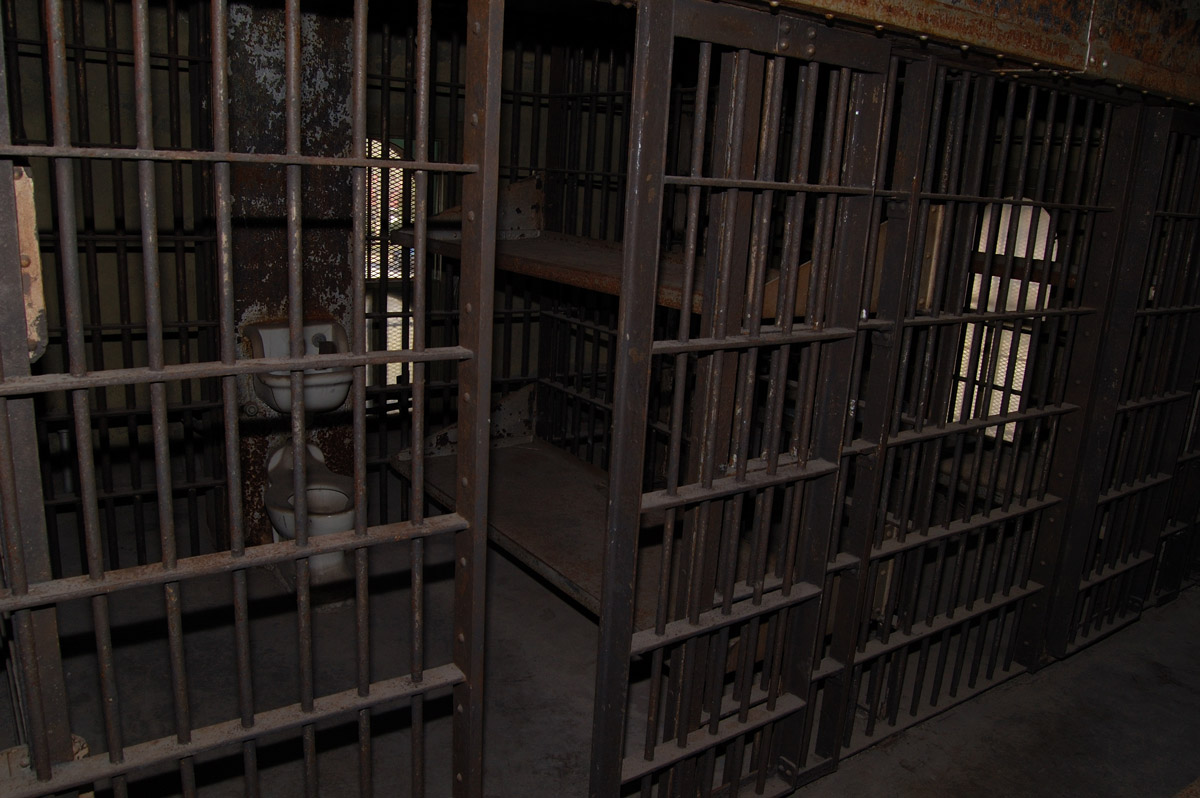
Jail cells in Caldwell County Jail in Lockhart, Texas. (Flickr)
When the coal industry dried up in Kentucky, the state’s criminal justice policies helped subsidize impoverished counties by trucking money (and prisoners) to county jails. The result was a sharp rise in county jail populations — a 39 percent increase between 2008 and 2016. As researchers Jack Norton and Judah Schept have pointed out, if Kentucky’s jail incarceration rate were to continue to rise as it has since 2000, it would only take 113 years before every single Kentuckian was locked up.
Kentucky provides just one example of a much larger national trend. For decades, many people thought of mass incarceration as a disproportionately urban problem, with major cities like New York, Chicago, and Los Angeles contributing the lion’s share of new arrests and prison commitments. But in reality, it’s thousands of smaller cities and towns that suffer the highest incarceration rates today.
Across the United States’ rural and deindustrialized landscape, economic decline has gone hand in hand with jail expansion and increased incarceration. And as county jails increasingly turn to the federal government for revenue — including by detaining immigrants on behalf of Immigration and Customs Enforcement (ICE) — the problem is only becoming more pronounced.