Empty the Jails Now
Jails and prisons will inevitably prolong the COVID–19 outbreak and increase the rate of infection. Any rational response to the crisis must include a coordinated national effort to get as many people out of jail as possible — fast.
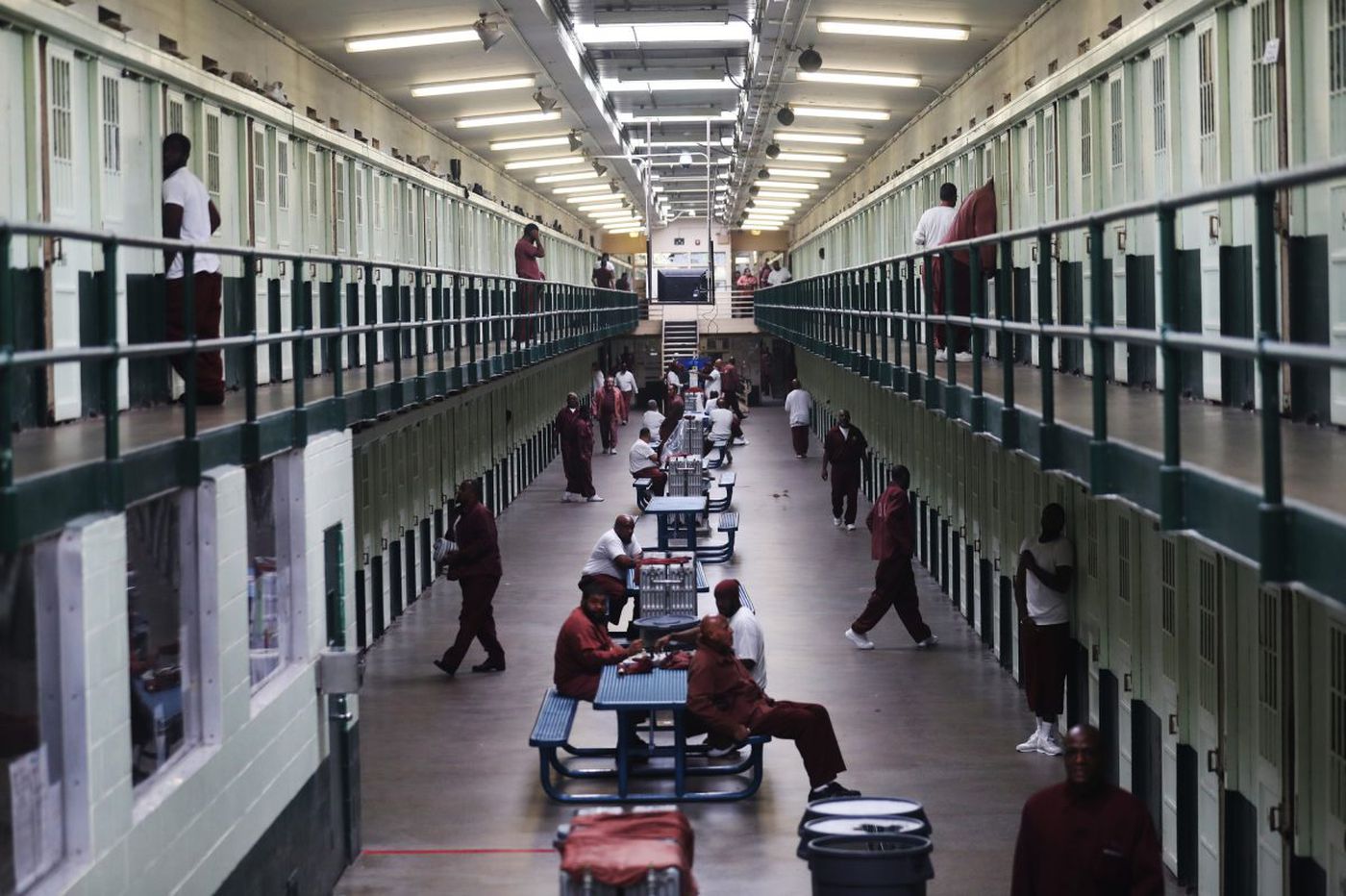
Counterposing the health of the incarcerated and the safety of the elderly — as if protecting one necessarily harms the other — betrays a profound misunderstanding of how COVID-19 works. (David Swanson / Philadelphia Inquirer)
In important respects, the COVID-19 crisis has thrown open the doors on what’s politically possible in the United States. With a global pandemic threatening to overwhelm the United States’ already strained public institutions, elected leaders have begun to consider measures that would have previously been politically unthinkable — including greatly reducing prison and jail populations through emergency releases.
As vectors of transmission, jails and prisons will inevitably prolong the COVID-19 outbreak and increase the rate of infection. Any rational response to the crisis must include a coordinated national effort to get as many people out of jail as possible — and fast.
In some places, officials have already recognized the urgency of the situation. In Iran, where the pandemic has been exacerbated by unconscionable US sanctions, officials have (temporarily) released eighty-five thousand prisoners in an effort to save lives. The sheriff in Los Angeles County (which has the largest municipal detention program in the world) has already set free more than six hundred people, and officials in Cleveland have also committed to letting out three hundred prisoners. With the virus moving quickly through New York City’s jail population, Mayor Bill de Blasio has also started opening the cell doors.