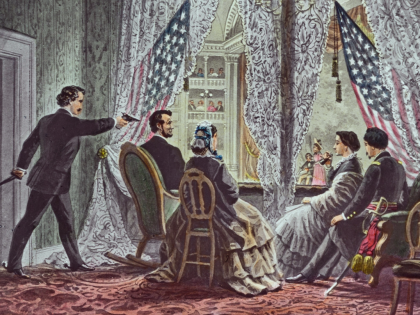
The Pulpy Joys of Presidential Assassination in Manhunt
The new Apple TV+ miniseries Manhunt turns the aftermath of Abraham Lincoln’s murder into a zany crime thriller with oddball pleasures.
The new Apple TV+ miniseries Manhunt turns the aftermath of Abraham Lincoln’s murder into a zany crime thriller with oddball pleasures.
When it comes to imperialism, Latin America never forgets, and the United States never remembers.

Inspired by a misreading of Antonio Gramsci, far-right activists have spent decades attempting to shape intellectual and cultural spaces. But their version of Gramsci’s ideas leaves out a crucial element: class struggle.
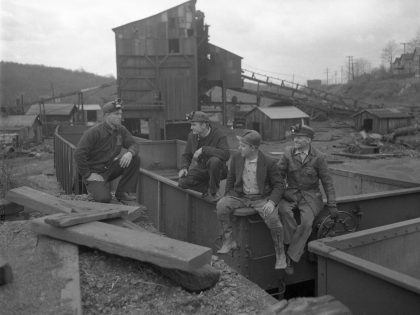
In the 1930s, labor unions were in bad shape. An imaginative new labor organization called the Congress of Industrial Organizations swept in and made them powerful and relevant. Now unions are in bad shape again, and the CIO’s history points the way out.
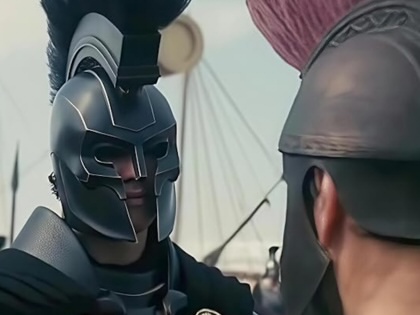
Christopher Nolan’s Odyssey is a massive hit — and nearly everyone on the Right, from Elon Musk to the Daily Wire, is furious. Because what 21st-century conservatives really want is a profound cheapening of the Western civilization they claim to revere.
The response to the Brazilian coup shows that the BRICS powers are not a real alternative to US imperialism.

Richard Linklater must have extraordinary pull to get big-screen releases for his two esoteric period movies this year, because only a small group of avid American musical superfans will find Blue Moon interesting.

Despite Timothée Chalamet’s best efforts, A Complete Unknown is a cookie-cutter Bob Dylan biopic for a legendary artist who deserves something far more interesting.
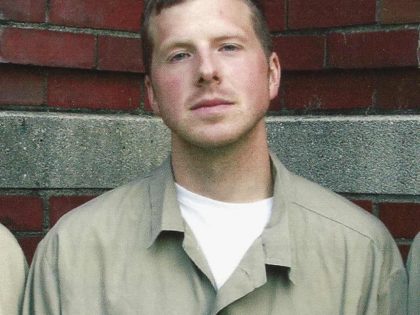
After a stint in the army and a spell as a heroin addict, Nico Walker became a bank robber — a move that landed him in prison for almost a decade. That’s when he wrote Cherry, his first novel and now a motion picture starring Tom Holland. Jacobin spoke with Walker about the Iraq War, socialism in Bolivia, and why robbing a bank is easier than it looks.
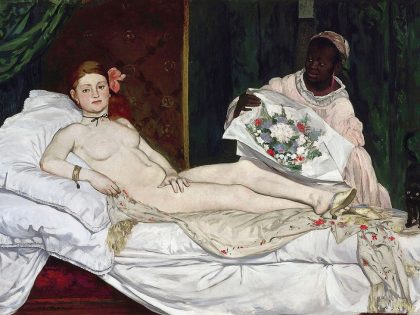
When Édouard Manet debuted his painting Olympia in 1865, critics were shocked by a nude who looked like “the Queen of Hearts after a bath.” Today they are more interested in imposing essentializing ideas of race about the black maid beside her.
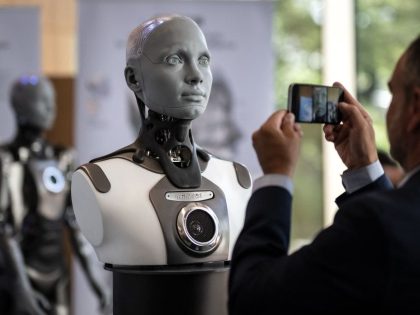
The labor movement has a special responsibility to confront artificial intelligence’s imposition on workers: without unions, bosses have carte blanche to use AI to undercut workers at every level.
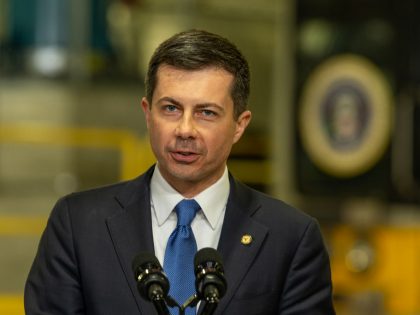
The recent train derailment in Ohio shows the need for more stringent safety rules for train brakes, especially for trains carrying hazardous materials. Transportation regulators are instead bending to the interests of rail industry lobbyists.
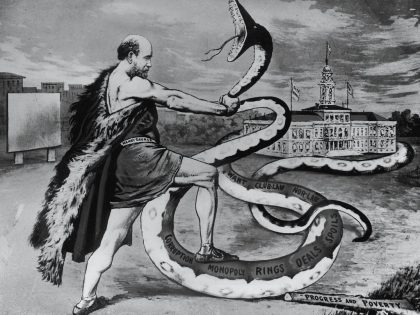
Jacobin sat down with the Economist’s Mike Bird to talk about his new book The Land Trap, on why land retains its centrality in our economy even into the digital age — and how land ownership cements existing inequalities.
Rob Ford's toxic political career grew out of an urban class divide that won't perish with him.
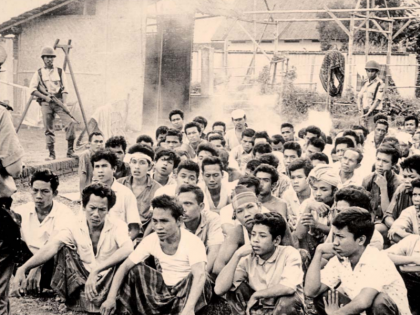
From 1965 to 1966, the Indonesian military and its allies massacred hundreds of thousands of Communists — often with the active aid of Western, democratic governments.
We need our social theory to be rigorous and accessible. At least one side of the debate over Vivek Chibber’s recent book does that.
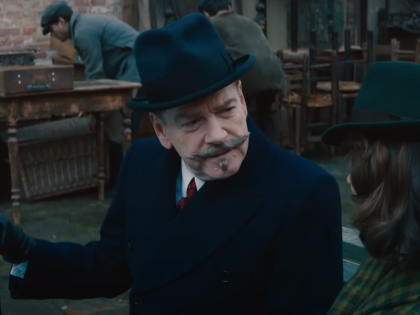
An Agatha Christie murder mystery has once again been made a mess by director Kenneth Branagh, this time with A Haunting in Venice.
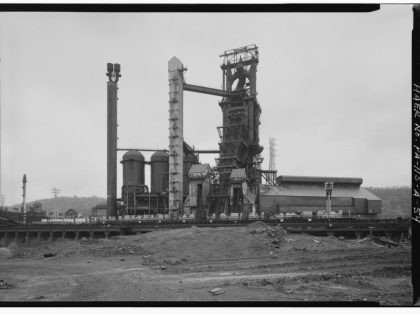
Forgotten for decades, Marxist novelist William Attaway’s 1941 Blood on the Forge is a brilliantly brutal depiction of the connection between racism and capitalism. Haunting and sublime, it will leave you feeling the scars of working-class life.
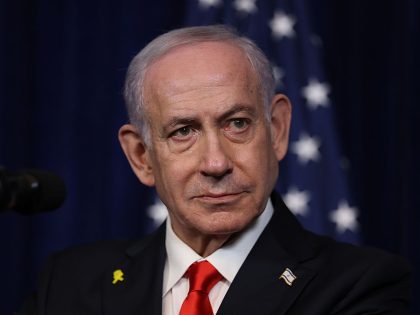
The genocide in Gaza radicalizes Zionism’s long-standing colonial project. But Israeli leaders’ open rejection of any future possibility of a Palestinian state have undercut their own international legitimacy.
A venerable theory about people’s political values is making a comeback: the theory of “postmaterialism.” But despite what you may have heard, the theory doesn’t say class politics is doomed in rich countries — and neither did the scholar who created it.