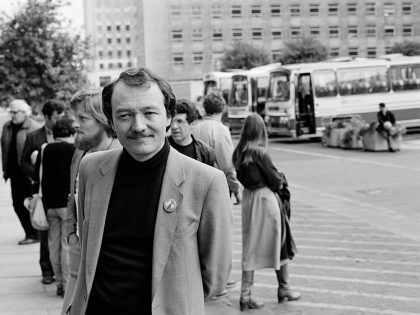
Remembering Red Ken
Ken Livingstone’s legacy in London reminds us just how much democratic socialist leadership can do for a single city.
Ken Livingstone’s legacy in London reminds us just how much democratic socialist leadership can do for a single city.
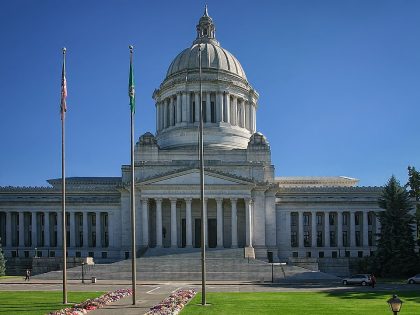
For a century, reformers have tried to change Washington's regressive tax system. Last week, a landmark capital gains tax became law. The story of how they got there shows how the Left can win against Democrats defending the status quo.
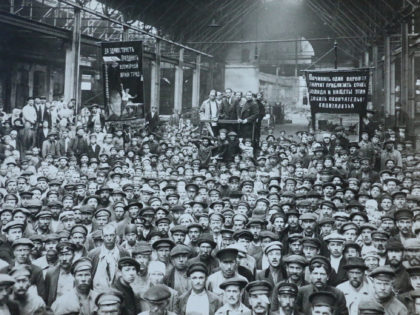
The question of the party is back on the Left's agenda — and not a moment too soon.
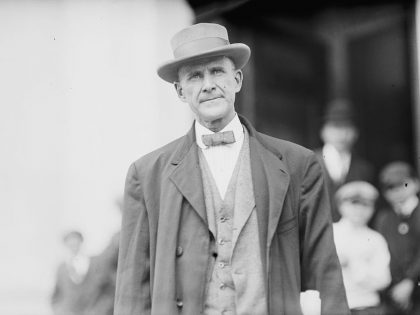
Eugene Debs’s unswerving commitment to democracy and internationalism was born out of his revulsion at the tyranny of industrial capitalism. We should carry forth that Debsian vision today — by recognizing that class struggle is the precondition for winning a more democratic world.

Centrists insist that Labour’s electoral fortunes depend on it taking a hard stance against Brexit. But their own behavior tells us their top priority is to stop Corbyn from becoming prime minister.

We can oppose US intervention, while telling the truth about Assad’s chemical weapons use.

Robert Putnam’s Bowling Alone chronicled the growing loneliness and isolation of wealthy societies. Twenty years later, the problem is far worse than he could have imagined.

Sam Raimi’s Spider-Man trilogy introduced us to a working-class kid from Queens struggling to both save his city and pay the rent. But now under Disney, the Peter Parker of Spider-Man: No Way Home has wealthy new benefactors rewriting just what it means to be a superhero.
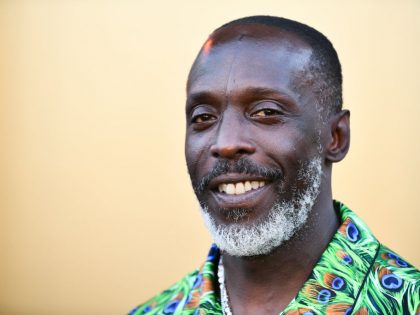
The late Michael K. Williams was both nurtured and vexed by Brooklyn, as though its triumphs and struggles were his own. We can’t understand his tragically short life without tracing the changing class and racial dynamics of the borough he always called home.
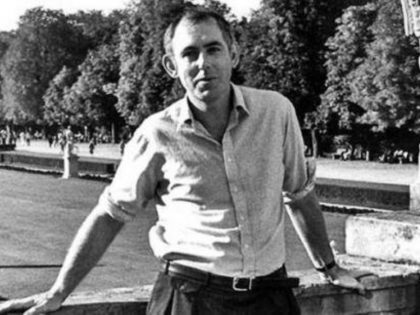
The Irish scholar Fred Halliday covered an extraordinary range of subjects in his work, from Middle East revolutions to the Cold War. Halliday brought a Marxist perspective to the study of global politics and left behind a rich intellectual legacy.
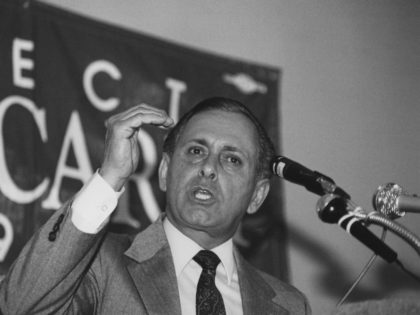
Ron Carey's story reminds us of how the powerful respond to threats from labor.

States at war generally adopt interventionist economic policies to mobilize resources and manpower. Ukraine hasn’t followed suit, instead pursuing dogmatic free-marketeer measures that suit Western creditors more than its own population.
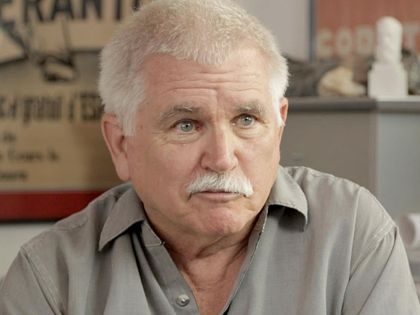
The late socialist writer Mike Davis’s first book was Prisoners of the American Dream, a deep exploration of how the US labor movement became so weakened. Nearly four decades later, Davis revisited the book in an interview with Jacobin.

After two years of attacking Corbyn, Labour's self-styled moderates are lost.

Fifty years ago, Studs Terkel documented American workers’ complex inner lives at a pivotal moment of social transformation. His interviews in Working revealed both the dignity and degradation of work, capturing a world on the cusp of profound change.

A new look at the 2018 midterms shows that while Bernie Sanders has already wonback “Obama-Trump” voters, Elizabeth Warren was decimated in exactly the kinds ofplaces Democrats need to win in 2020.

From censoring a report on CIA domestic surveillance to running cover for the Contra War to helping launch the war on terror, Dick Cheney dedicated his life to making sure the US national security state could kill, spy, and torture with few checks.
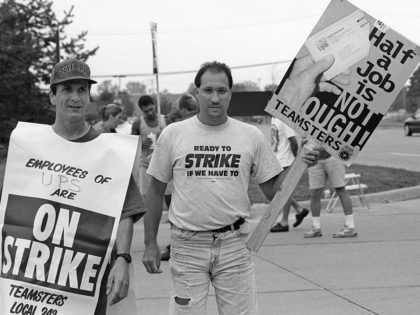
Twenty years ago, workers ground one of the world's largest corporations to a halt. And workers in the logistics industry could do it again today.
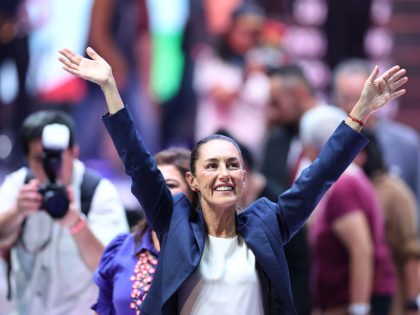
The Right attacked Mexican president-elect Claudia Sheinbaum for being a “Jewish foreigner” and communist during her campaign. Her grandfather and his brother, emigrants from Lithuania, were both of these things.
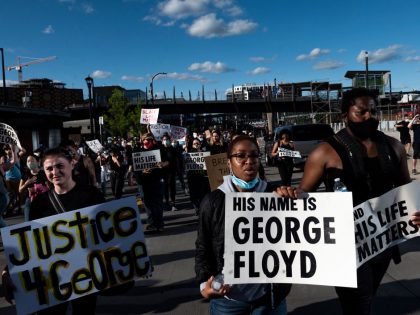
The brutality we have repeatedly seen meted out by American police all over the country isn’t a bug of our political-economic system — it’s a feature.