What Happened to the Friendly Neighborhood (Working-Class) Spider-Man?
Sam Raimi’s Spider-Man trilogy introduced us to a working-class kid from Queens struggling to both save his city and pay the rent. But now under Disney, the Peter Parker of Spider-Man: No Way Home has wealthy new benefactors rewriting just what it means to be a superhero.
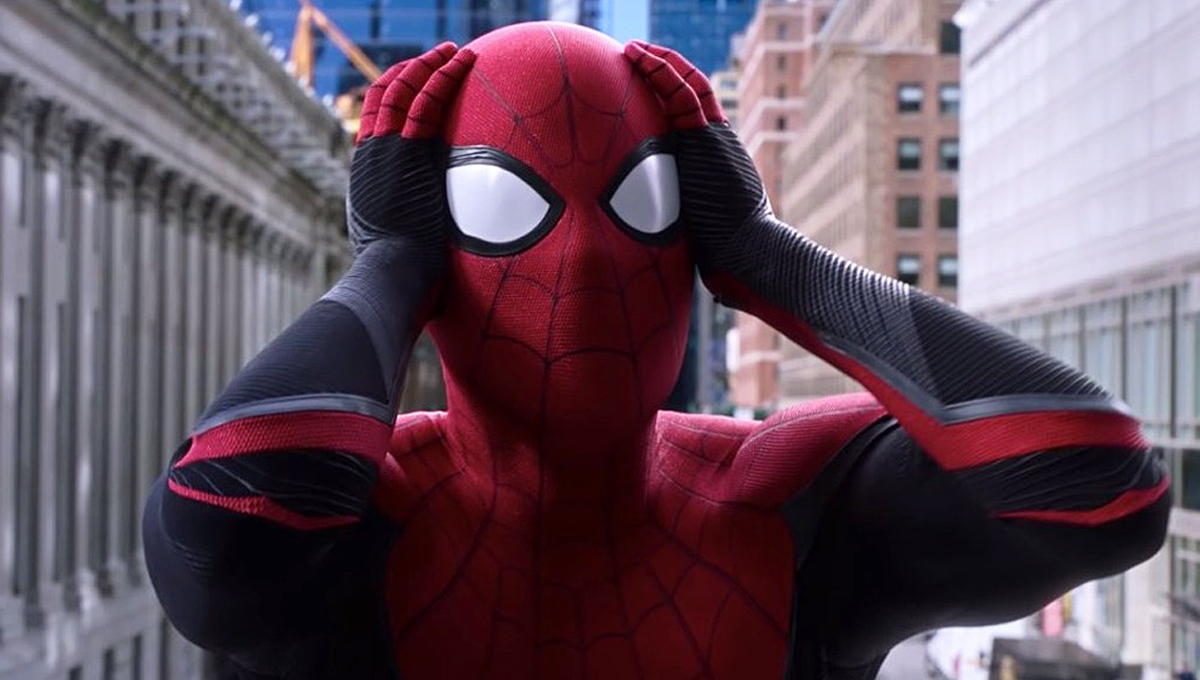
Disney has abandoned the working-class Spider-Man of past pictures and given him an arms-dealing billionaire benefactor. (Disney / Sony Pictures)
In 2019, after a decade of theatrical releases, the Marvel Cinematic Universe (MCU) reached new heights of box office success with the release of Avengers: Endgame, the second-highest-grossing film of all time. Earning just under $2.8 billion globally, it’s little surprise that Disney (the home of the MCU) and Sony Pictures (which holds the film rights to Spider-Man) decided to join forces in order to engineer another such cultural event.
In Spider-Man: No Way Home, Tom Holland leads his third stand-alone film as the web-slinger, but this time the filmmakers have ported in characters from Sony’s two previous Spider-Man franchises, where Tobey Maguire and then Andrew Garfield donned the iconic red-and-blue suit. The storyline allows Holland’s Spider-Man to get some much-needed distance from the Avengers — though Doctor Strange (Benedict Cumberbatch) plays a supporting role — and it provides an opportunity to contrast his version of the character with those past portrayals.
A Working-Class Hero
In the beginning of director Sam Raimi’s 2002 Spider-Man, Uncle Ben and Aunt May are in the kitchen of their working-class home in Queens discussing their finances. After thirty-five years, Ben has been laid off from his job as a senior electrician because, as he says, “the corporation is downsizing the people and upsizing their profits.” May reminds him they’ve had tough financial patches in the past, and they’ll get through this one too.