
Let’s Talk About Wealth, Baby
A new book examines the self-sustaining dynamic of extreme wealth and its political influence. Is it time to switch our focus from the problem of poverty to the problem posed by the rich?
A new book examines the self-sustaining dynamic of extreme wealth and its political influence. Is it time to switch our focus from the problem of poverty to the problem posed by the rich?
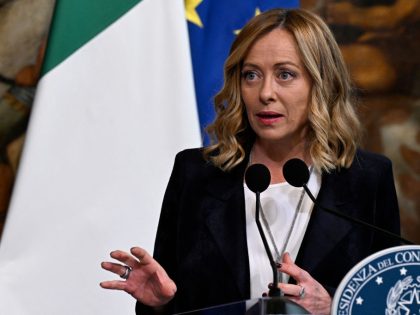
Giorgia Meloni’s government paints immigration as a threat to Italy’s ethnic homogeneity — but also needs migrants as workers. Its restrictive immigration policy is creating a second-class migrant workforce, denied the rights of citizenship.
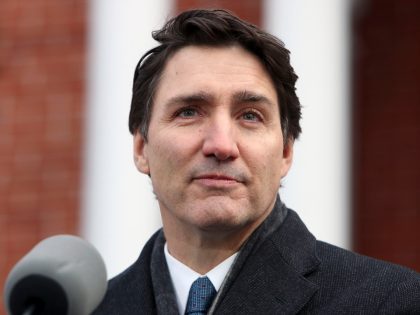
After nine years in power, Canada’s Justin Trudeau leaves a faltering party to neoliberal entrenchment and surging Conservative polls. His resignation marks the growing crisis of centrist parties unable to adapt to mounting social and political pressures.
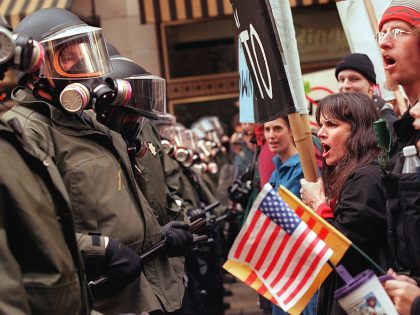
Twenty-five years ago today, a broad progressive coalition of protesters blocked and eventually shut down the Seattle World Trade Organization meetings. A longtime activist-journalist reflects on the long twists and shifts made by the American left since then.
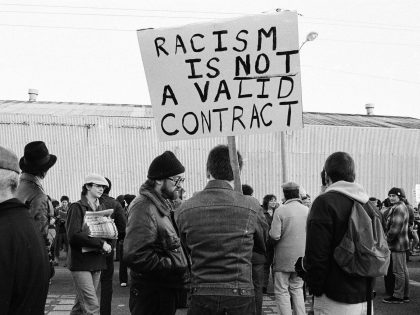
Forty years ago today, San Francisco dockworkers struck a blow against apartheid by refusing to unload cargo from South Africa. That kind of international worker solidarity is badly needed today to end Israeli genocide and apartheid.
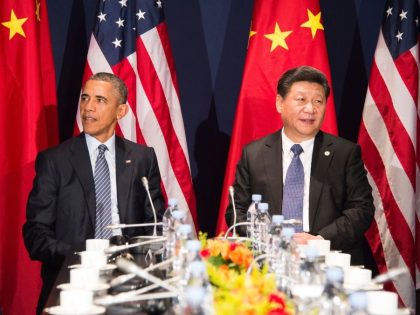
At the start of the century, there was a consensus that the US should cooperate, rather than compete, with China. But starting with Obama, American presidents embraced the idea of arresting China’s rise, opening the door to Trump’s trade wars and hawkishness.

British literary magazine Granta has focused its latest issue on China during a time of growing geopolitical tensions. It introduces a contemporary Chinese literature written in the minor key by writers driven by political ennui.
Strong unions, a labyrinthine state, and political deadlock prevented Belgian neoliberals from implementing reforms in the 1970s. But as the economy spun into crisis, the Catholic Party convinced its labor union to accept austerity and wage cuts.
Twitter’s algorithm has been slanted against the Left for years.
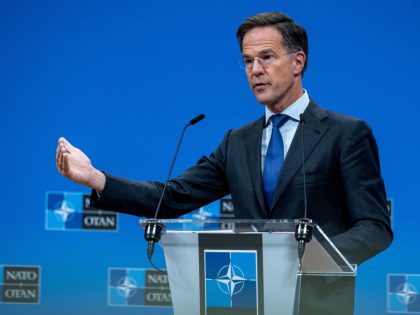
In his maiden speech as NATO secretary-general, Mark Rutte ominously warned that peacetime is over as he delivered a cocktail of half-truths to demand ever-increased military spending.

South Korea’s right-wing president, Yoon Suk-yeol, has finally been arrested after his attempt to stage a coup. But Yoon’s supporters are still mobilizing aggressively, hoping that Donald Trump will take their side over false claims of electoral fraud.
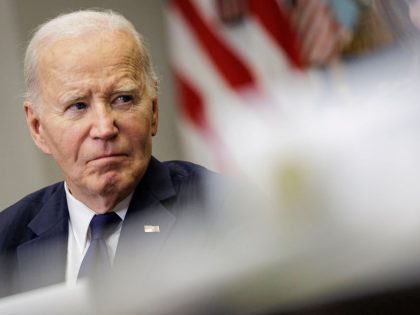
Four years ago today, Donald Trump baselessly put Cuba on the State Sponsors of Terrorism list. As president, Joe Biden went along with the lie.
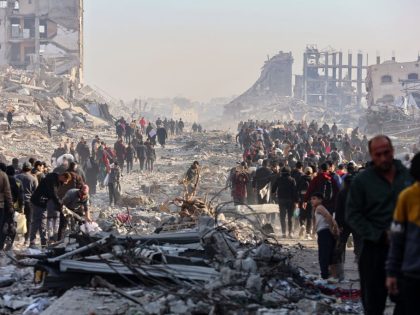
Scholar Raz Segal recounts the strange experience of being attacked as an antisemite, despite being Jewish himself and studying the Holocaust and other genocides, for the high crime of opposing Israel’s slaughter in Gaza.
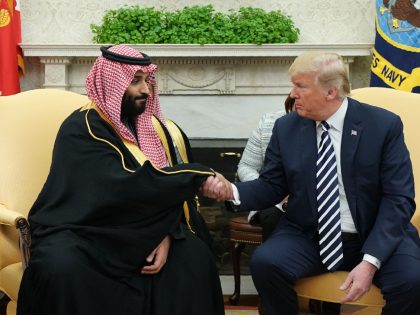
Trump administration economic projects like its big AI build-out involve billions of dollars in investments from the Saudi Arabian government. The committee that’s supposed to oversee the deals is stacked with officials with business ties to the Saudis.

The Food and Drug Administration has approved controversial drug treatments for Alzheimer’s disease amid excess deaths, questionable efficacy, and conflicts of interest between regulators, patient advocates, and Big Pharma.
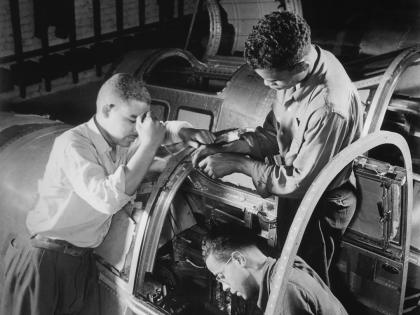
The war industry has become a permanent fixture of US capitalism, channeling massive public subsidies to private corporations. The first writer to analyze this “Permanent War Economy” was Edward Sard, a brilliant Marxist economist working in the 1940s.
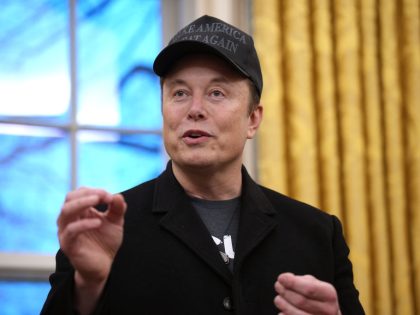
Donald Trump and Elon Musk's assault on federal workers threatens government employees, working conditions throughout the economy, and the viability of crucial services. Federal workers are uniting across agency and union lines to fight back.
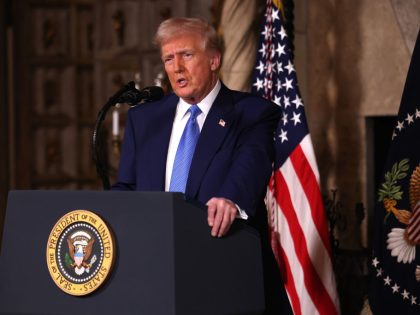
America’s belief that it can be militarily dominant in every major region appears to be wavering. But without challengers, the Republicans’ loss of conviction in liberal internationalism will harden into a more dangerous global authoritarianism.
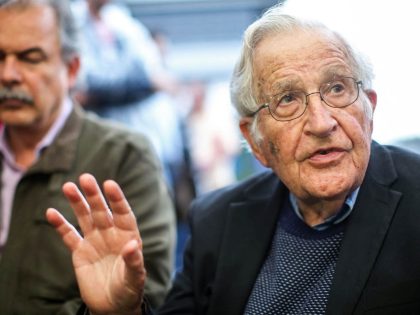
Noam Chomsky’s best-known political contribution is his powerful, long-running critique of US foreign policy. But Chomsky has also used his global platform to sound the alarm about the climate crisis and chart a path away from disaster.
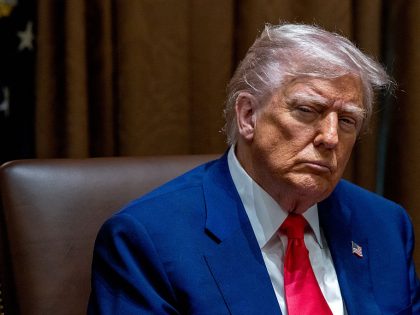
Donald Trump’s erratic tariff rollout seems likely to deepen the world’s dependence on China and scare off investment in US reindustrialization, undermining his own administration’s stated goals. There’s no art to this incoherent, self-destructive deal.