The Glory Days Are Over
Trump’s victory signals a deep crisis of neoliberalism.
Trump’s victory signals a deep crisis of neoliberalism.
Donald Trump’s economic advisers released a bizarre report attacking socialism yesterday. Socialists can only take one lesson from it: we’re winning.

The Left must be clear that there is a small minority of elites who control the world, enrich themselves, and immiserate the many. But it’s not Jews — it’s the rich.

What we can learn from the life of Uruguay’s former guerrilla and leftist president Pepe Mujica.
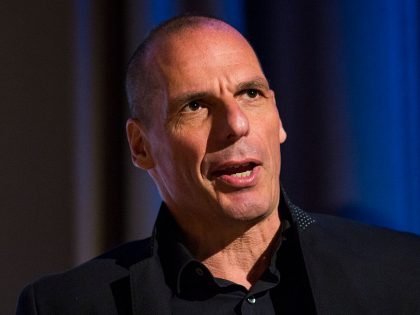
Today in Bulletin: Could globalization end with a whimper? . . . Christian Democracy in the USA . . . China’s Marxist millennials . . . and more.
Trump’s victory signals a deep crisis of neoliberalism.

The concept of “emotional labor” can help us better understand work and exploitation. But when it’s used to keep score between friends and family rather than examine our relationship as workers, it doesn’t bring us any closer to liberation.

Rich people have a carbon footprint 25 times the size of even the typical American. To tackle climate change, we need to start with fossil capital and the most affluent.
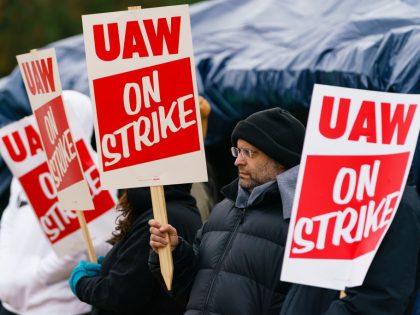
The ongoing strike wave in the US has little to do with vaccine mandates. Workers are striking because the labor market is relatively tight — and they smartly see that they have leverage against employers.
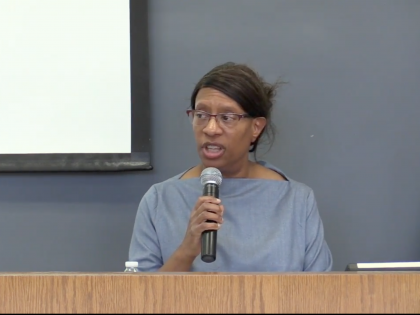
Rev. Angela Cowser, a cofounder of the Institute for Christian Socialism, argues that a society rooted in the dictates of the Gospel would look radically different from the one we have now. There is a name for what that change should look like: socialism.
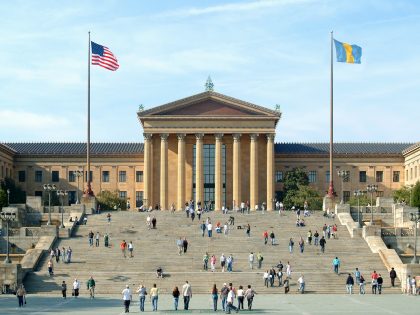
Earlier this month, workers at the Philadelphia Museum of Art, one of the largest art museums in the world, voted overwhelmingly to unionize. We spoke with two workers about how they fended off the museum’s fierce anti-union campaign — and why all white-collar workers should organize.
Early Soviet filmmakers took great inspiration from Charlie Chaplin, but his critique of mass production put him at odds with them.
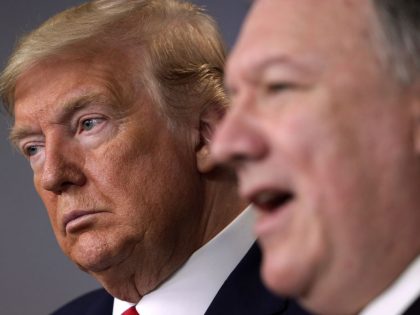
The COVID-19 pandemic has triggered a dangerous escalation in tensions between China and the United States. But our allegiance shouldn’t be with either country’s ruling class — it should be with both countries' workers.
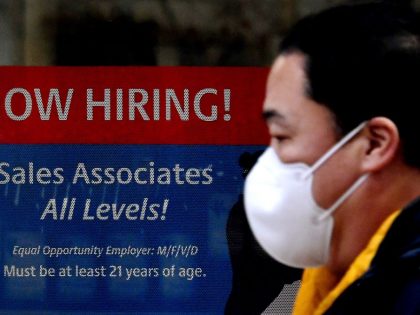
There's a lot of talk these days about labor shortages and workers unwilling to work because unemployment benefits are too high. Ignore the hand-wringing: it's a very good thing if workers have the freedom to say no to low-paying, dehumanizing jobs.

One hundred years ago, Britain nationalized hundreds of its pubs — and invented a better drinking culture.
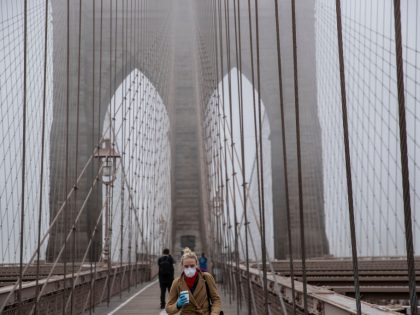
Faced with impossible choices between going to work and facing potential exposure to coronavirus or staying home and losing needed income, workers at a Brooklyn cafe got organized. To ensure a just response to coronavirus, millions more working people will need to get similarly organized in our workplaces, in our communities, and in politics.

The Bank of Canada’s incoherent stance on inflation and interest rates underscores the class conflict at play in shaping its decisions. As with previous hikes, the bank’s new rate increase will have terrible repercussions for workers.

At a Volkswagen plant in Chattanooga, Tennessee, and a Mercedes factory in Vance, Alabama, the United Auto Workers have filed for union elections. If the UAW wins, it would be a major victory against anti-union bulwarks.

There are many subtleties to capitalist domination over the state. When the mega-rich literally assume office, those subtleties go out the window.
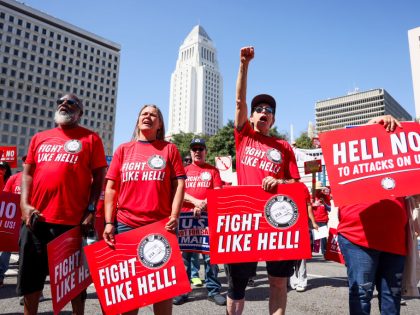
The danger posed by Donald Trump’s authoritarianism means that unions can’t afford to remain in a defensive crouch. And history suggests that fighting to defend and revive democracy at moments of maximum peril can create a window of opportunity for labor.