The Philadelphia Museum of Art Fought Them — These Workers Organized Anyway
Earlier this month, workers at the Philadelphia Museum of Art, one of the largest art museums in the world, voted overwhelmingly to unionize. We spoke with two workers about how they fended off the museum’s fierce anti-union campaign — and why all white-collar workers should organize.
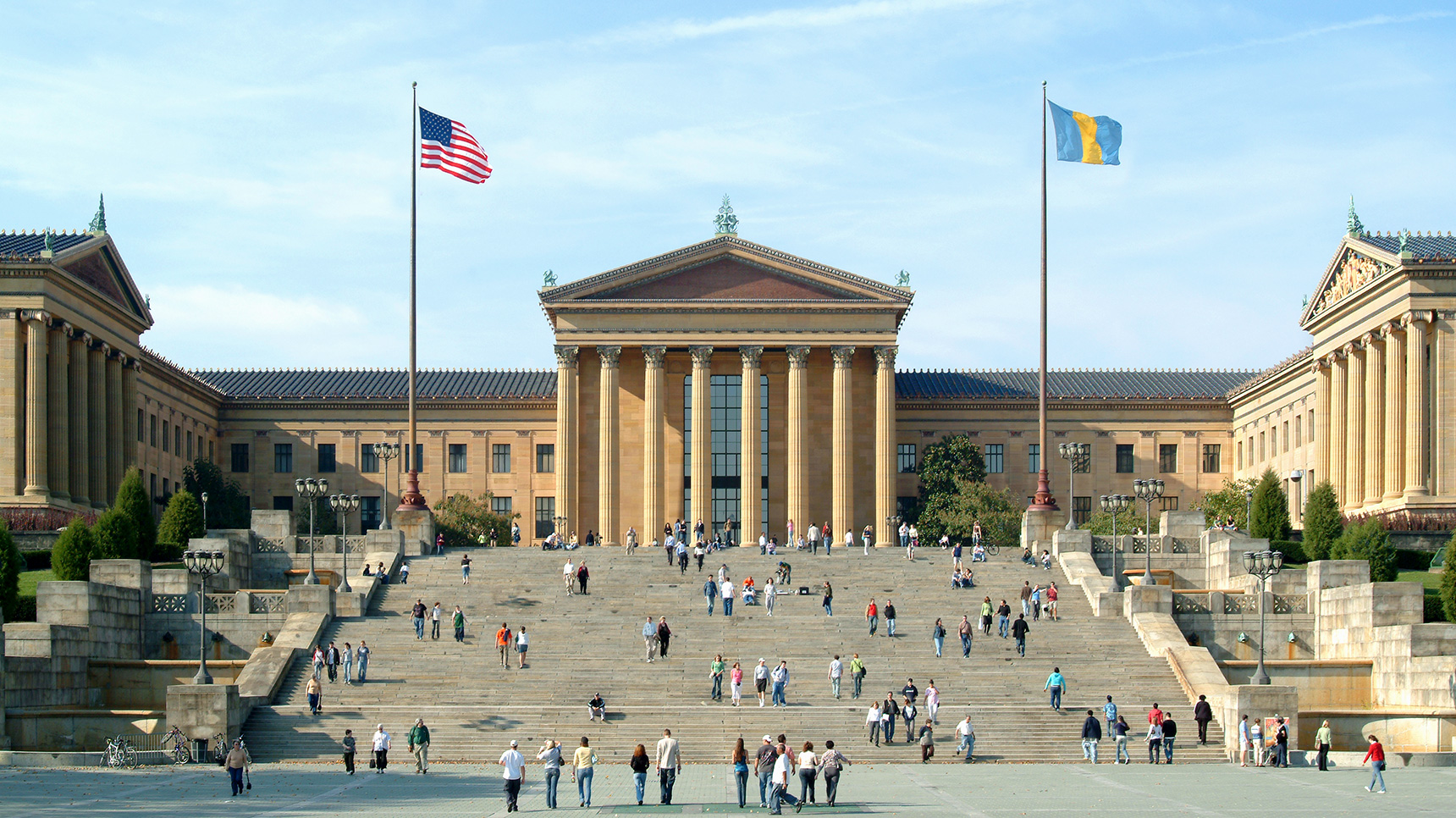
Workers at the Philadelphia Museum of Art, one of the largest art museums in the world, voted overwhelmingly to unionize in August.
On August 6, workers at the Philadelphia Museum of Art (PMA), one of the largest art museums in the world, voted overwhelmingly to unionize with the American Federation of State, County and Municipal Employees (AFSCME) District Council 47. Their victory came after revelations of abuse, including a boss sexually harassing workers and another hitting on them, and a fierce anti-union campaign that saw the museum hire the union-busting firm Morgan Lewis.
The prestige of working at one of the most visited art museums in the world doesn’t translate to high pay and respect: many workers at the PMA struggle to get by, some making less than $15 an hour. And as the pandemic continues to wreak havoc on workers across all industries, more and more white-collar workers might turn to union efforts to have a greater say in their workplaces. Already, some of this unrest has hit the broader museum world: a group calling themselves the Art + Museum Transparency team, led by a PMA worker, created a crowdsourced spreadsheet last year to share salaries and benefits at museums all over the world.
Jacobin contributor Mindy Isser interviewed Noah Thompson, an assistant in visitors’ services at PMA, and Nicole Cook, a program manager for academic partnerships, about the Philadelphia organizing drive and why white-collar workers need unions, too. Both have worked at the museum for about three years and sat on the union’s organizing committee.