
A Killer in the Castle
What actually happened to Nepal’s royal family on June 2, 2001?
What actually happened to Nepal’s royal family on June 2, 2001?

The Suez Canal is a symbol of Arab nationalism. It’s also a damn good source of national income.
Crunching the numbers on the class war.
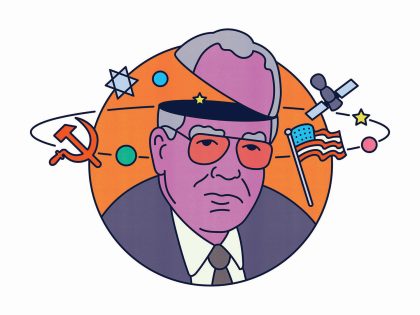
Lyndon LaRouche started off lecturing about dialectics and Rosa Luxemburg. By the 1980s, he was Glenn Beck with a private security force.

Even the CIA has debunked “Havana syndrome” — the belief that hypersonic weapons are making American diplomats sick — but diehards in the media and Congress won’t let it go.

We talk to journalist Andrew Cockburn about the Iraq invasion and the new Middle East.

Crunching the numbers on the class war.

Social security is once again a third rail of American politics. History tells us that might not last for long.
How the American political class brought a disaster to the Middle East.
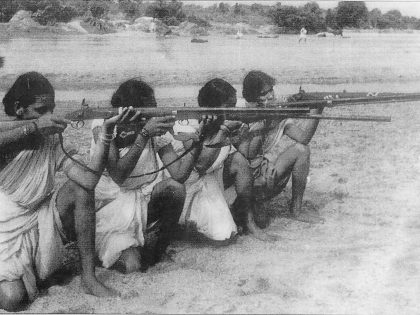
For thousands of years, organized peasants have challenged rural exploitation — and even toppled governments.

Nicolas Grospierre’s photographs of collective farm buildings in Israel and the Baltic states reveal these communities’ utopian dreams — and their uncomfortable colonial underpinnings.

A new president has a right-populist vision of transformation in East Africa’s largest economy.

Elon Musk isn’t the only Silicon Valley somebody to leave the Dems in the dust.
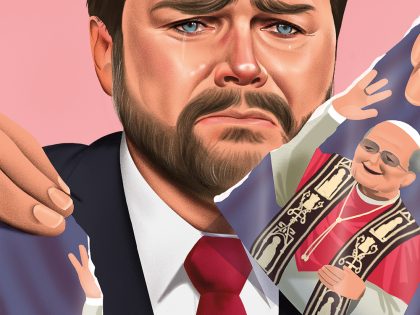
Robert Francis Prevost, the first US-born pope, embodies Catholicism’s anti-nationalist ethos. Will he follow Pope Francis in confronting the resurgence of nativism in the US and abroad?
Why Nordic countries out-innovate the United States.
As borders tighten, the billions of dollars migrants send home are at risk — and so are the nations that rely on them.
Mike Davis may still be right that slums will dominate the cities of the future — but his prediction was at least a decade premature.

In the 1970s, the Italian Communist Party was again on the rise in Tuscany. Then it all toppled over.

Some of the most over-the-top apartments in New York City are owned — and left empty — by überwealthy foreign nationals.