A Killer in the Castle
What actually happened to Nepal’s royal family on June 2, 2001?
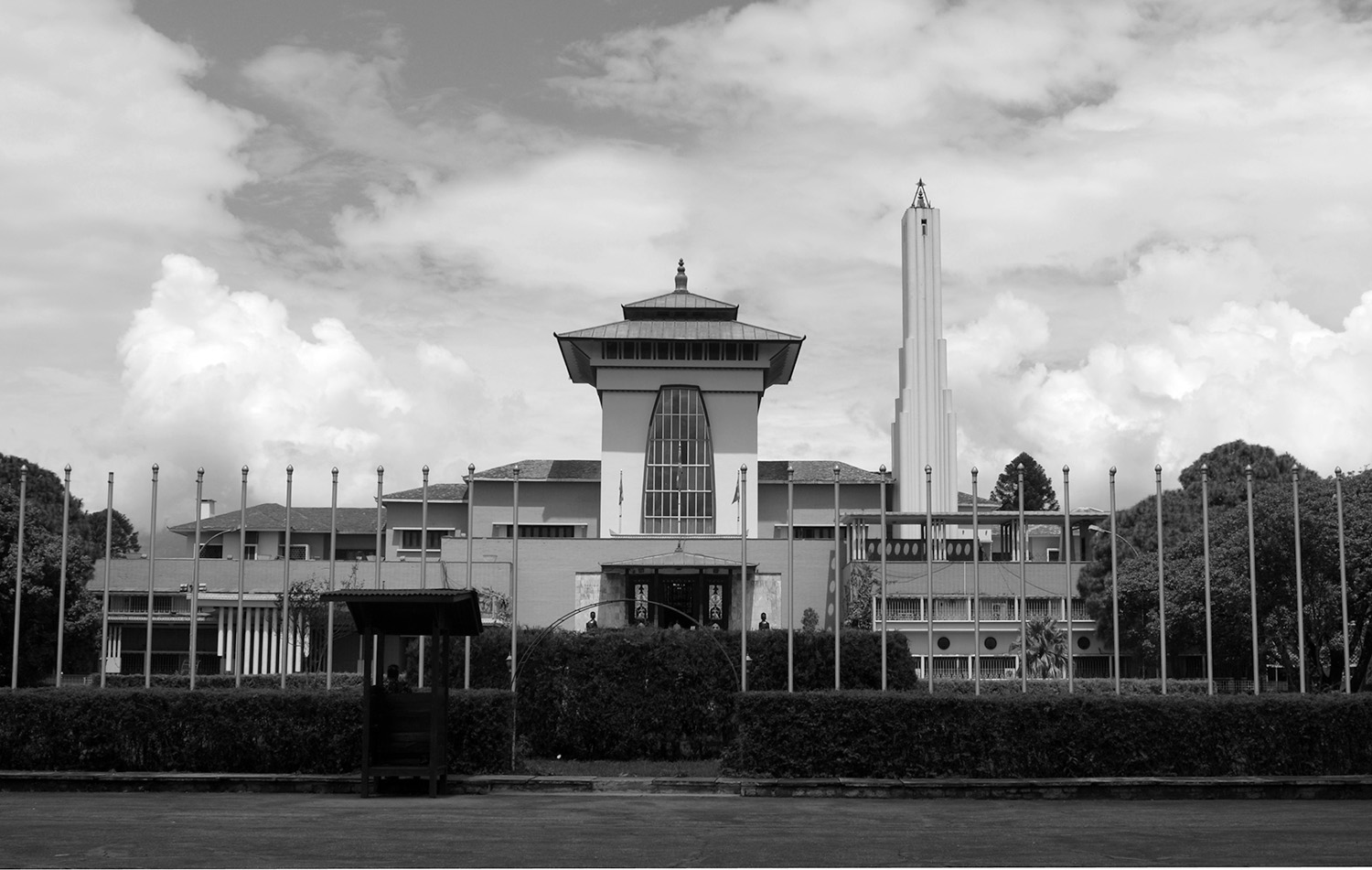
(Suraj Belbase / Wikimedia Commons)
On the morning of June 1, 2001, as on thousands of mornings before, Nepal was ruled by the 55-year-old King Birendra Bir Bikram Shah Dev, who had by then been on the throne for 29 years. But that night, he would be shot dead, not by Maoist militants in the ongoing Nepalese Civil War but by someone inside the palace walls.
The next morning, a comatose Crown Prince Dipendra was declared king, though he died a mere three days later of a self-inflicted gunshot to the head. It was he who had opened fire on a party at Narayanhiti Palace, murdering not only his father but also his mother, two younger siblings, four aunts and uncles, and a cousin once removed, in addition to injuring five other members of the royal family. His unpopular uncle, Gyanendra Shah, rose to kingship before being deposed by victorious communist insurgents in 2008. The massacre had decimated support for the Nepalese monarchy and helped bring an end to 240 years of royal rule.
Nonetheless, the mass shooting at Narayanhiti Palace continues to attract speculation. Dipendra’s motive has never been identified, nor the reason for Gyanendra’s absence from a party that included nearly every other member of his family, including his wife and two children, all three of whom survived the slaughter of their extended family. Dipendra’s own fatal gunshot wound, supposedly self-inflicted, was located in his left temple, despite his right-handedness.