The Oligarch Upstairs
Some of the most over-the-top apartments in New York City are owned — and left empty — by überwealthy foreign nationals.
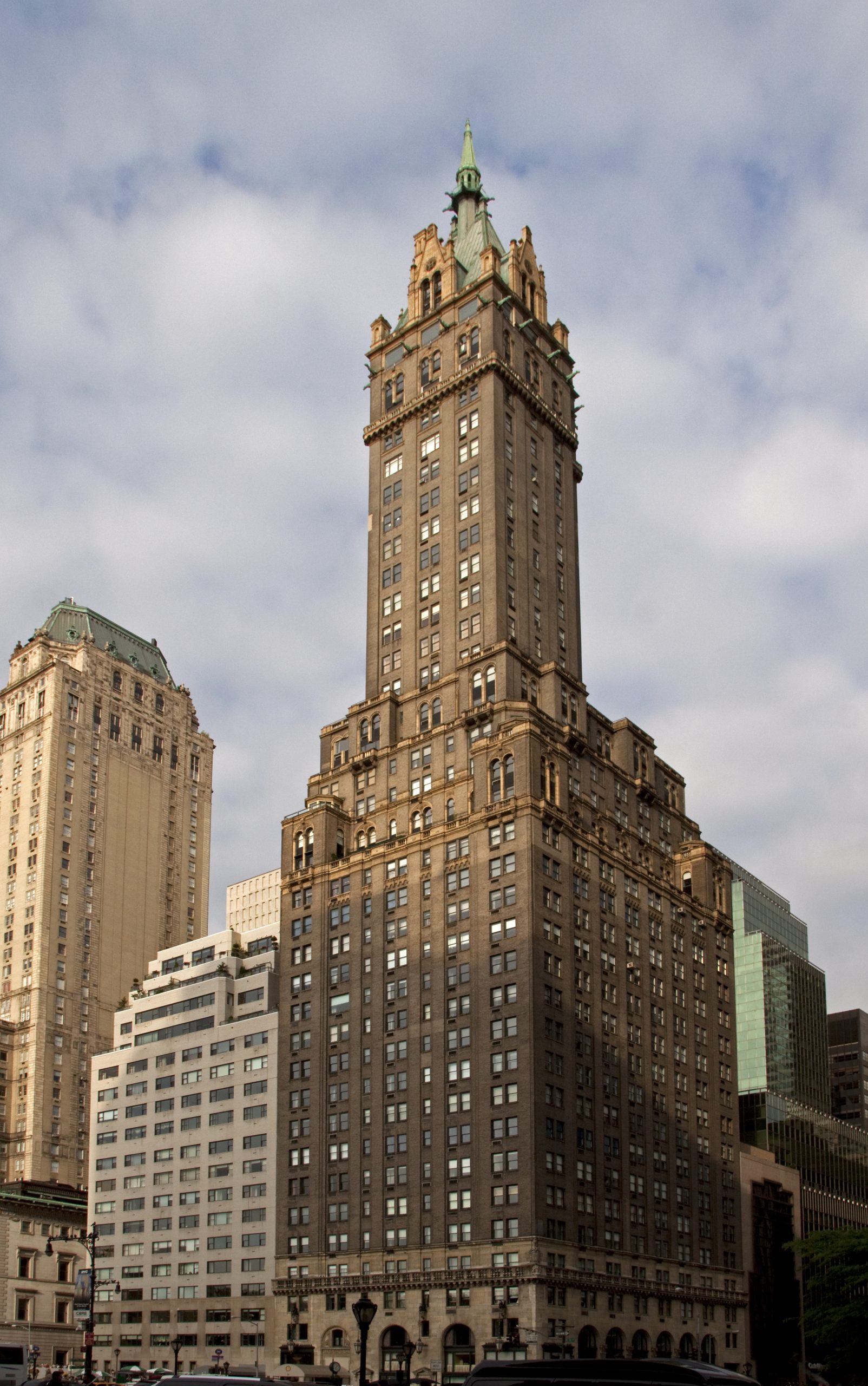
(Tony Hisgett / Flickr / Wikimedia Commons)
At the first Summit for Democracy, held virtually in December 2021, former treasury secretary Janet Yellen remarked that, despite the widespread belief that the “money laundering capitals of the world are small countries with histories of loose and secretive finan-cial laws . . . there’s a good argument that, right now, the best place to hide and launder ill-gotten gains is actually the United States.” The Treasury was, at that time, in the thick of post–Pandora Papers efforts to rein in shell purchases, culminating in a yet-to-be-enforced 2024 decision to end the “exemption” that allows real estate to change hands anonymously through cash purchases.
In a sense, the heyday of oligarch-owned apartments in New York City is at once upon us and behind us. Demand from wealthy foreign buyers has fundamentally altered the Manhattan skyline, incentivizing the erection of luxury residential skyscrapers along “Billionaires’ Row,” but the exorbitantly expensive units have become increasingly difficult to sell even without enhanced oversight, partly because of the sheer volume of available apartments in the $5 to $10 million range. But foreign interest in them still remains — enough that former Republican senator Pat Toomey (who has well-documented ties to Russian elites) killed a bipartisan bill that would have bound the real estate industry to the same anti-money-laundering regulations that bind American banks.
Olympic Tower
Year purchased: 1976
Buyer: Ferdinand Marcos, former president of the Philippines
$700K
Using a series of shell companies and a front man known as the “Banana King” of the Philippines, Marcos and his wife, Imelda, purchased three adjoining apartments in the then new Olympic Tower for what would today be about $3.9 million. A decade later, the units (and their contents) were seized by the Philippine Presidential Commission on Good Government and sold off as part of the country’s effort to recoup assets unfairly gained by the Marcoses during their time in power.