Understanding North Korea, Beyond Its Palace Intrigue
Kim Jong Un’s sister, Kim Yo-jong, looks destined for power in North Korea. But political dynamics in the country are far more complex than Western observers often appreciate.
Chris Dite is a teacher and union member.

Kim Jong Un’s sister, Kim Yo-jong, looks destined for power in North Korea. But political dynamics in the country are far more complex than Western observers often appreciate.

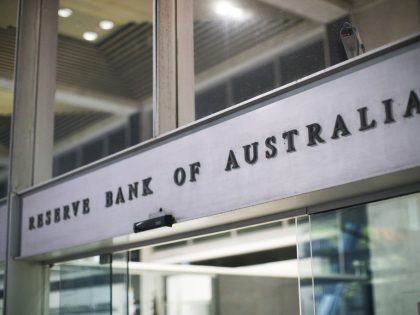
The Reserve Bank of Australia has raised interest rates again, ostensibly to keep inflation in check. But the reality is that the move will only enrich banks and rich property investors — at the expense of renters and struggling mortgage holders.

Former soldier Ben Roberts-Smith has failed in his bid to sue journalists for exposing his war crimes in Afghanistan. His downfall is set to embarrass the political elites who championed him.

Leader of the French Revolution Maximilien Robespierre is often portrayed as a crazed fanatic. It’s thanks to the work of his equally revolutionary sister Charlotte Robespierre that the egalitarian basis of his legacy survived.

Workers in an industrial trading port in Australia are now at the forefront of the fight against war with China, demanding that jobs and environmental protections take precedence over militarism.

Australian politicians blame Aboriginal people for social problems. Alexis Wright’s Grog War shows that when First Nations communities fight to improve society, they are attacked at every turn.

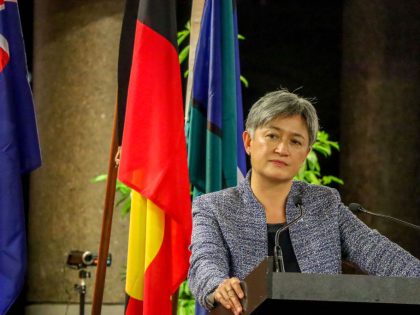
Australian foreign minister Penny Wong claims she wants peace in the Asia-Pacific. At the same time, she is doubling down on Australia’s role in maintaining the global dominance of US capitalism — and threatening war in the region.

The far right won big in Finland’s parliamentary elections over the weekend. They’re now likely to join a ruling coalition led by the country’s main party of big business.

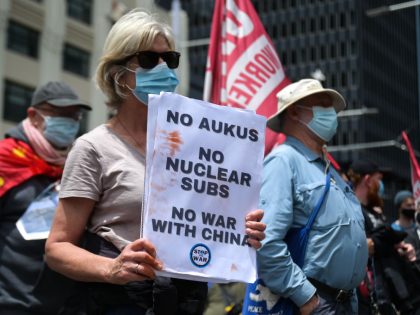
The specter of war in the Asia-Pacific is leading to a gloomy cynicism. But the Australian working class has influenced debates on war before — and won peaceful outcomes.

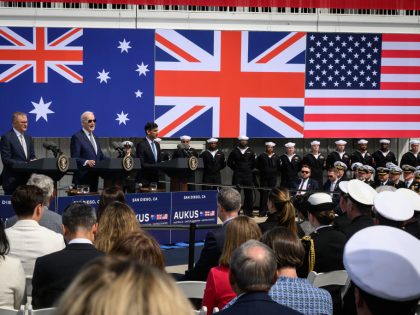
Paul Keating’s fiery attacks on the AUKUS nuclear-powered submarine deal last week drew attention to Australia’s uncritical support for the US in its China containment policy. This drive for war has been years in the making.

The overwhelming majority of Australian Labor Party federal MPs are landlords. Maybe that’s why they can’t solve the housing crisis.

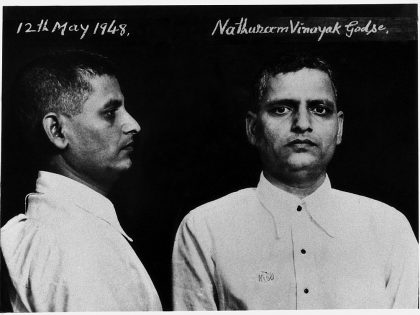
Mahatma Gandhi’s assassination in 1948 shocked the newly independent India. Seventy-five years later, the assassin’s associates are now in power and dismantling secular democracy.

K-pop sensation Blackpink is set to play to a sold-out stadium in Riyadh tomorrow. The concert marks 60 years of Saudi–South Korean diplomatic ties — and a long history of brutal collaboration.

The Australian Labor government’s new industrial relations bill promises to boost wage growth. But the legislation’s key components work to undermine that goal.

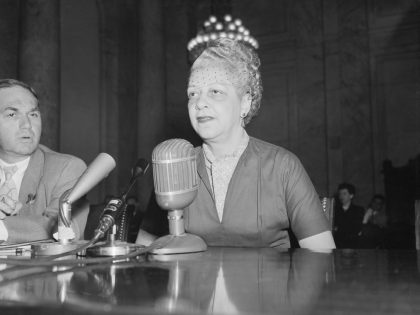
Throughout the early to mid-20th century, black communist women led mass campaigns to build collective power, joining the fight for black liberation with the struggle for economic equality. Their goal: the overthrow of capitalism.

The 17th-century philosopher Lucy Hutchinson was among the regicides who sent Charles I to his execution, ushering in an English republic in 1649. The divine right of kings, Hutchinson knew, could indeed be ended.

Since the 1980s, workplace law in Australia has crippled the union movement. Today, it’s a finely tuned machine that exacerbates inequality in order to enrich a small minority of bosses.

Rich in resources that it exports to the West, Nigeria today is blighted by shocking rates of inequality. With an elite working in the service of foreign capital, Nigerian workers and raw materials are a key site of exploitation for global capitalists.

A jobs and skills summit brought together union, business, and government leaders to address stagnant wages in Australia this week. While some seemingly progressive proposals got much attention, the outcome is set to further undermine pay and conditions.

Since its launch in 2015, Australia’s Border Force has been mired in controversy and corruption scandals. Its dissolution is imperative to ending the punitive and pernicious approach at the heart of Australian immigration policy.