
Israel’s Young Settler Vanguard
In the West Bank, at-risk youth are recast as pioneers — funded by Israeli ministries and US tax-deductible charities and deployed to harass, dispossess, and drive Palestinians from their land.
In the West Bank, at-risk youth are recast as pioneers — funded by Israeli ministries and US tax-deductible charities and deployed to harass, dispossess, and drive Palestinians from their land.
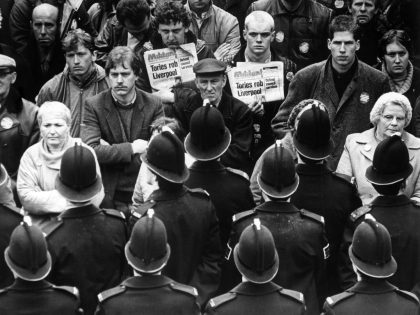
Liverpool’s left-wing council led one of the most important struggles against Margaret Thatcher’s government during the 1980s. If other Labour-run councils had followed its lead, they could have inflicted a major blow to Thatcher’s agenda.
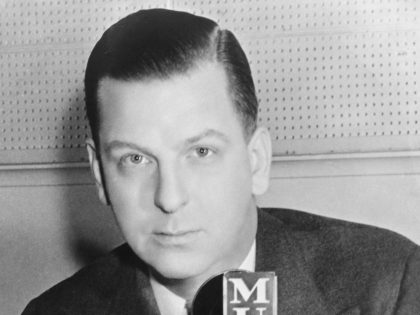
In 1954, the CIA enlisted a right-wing radio host and a US senator in a plot to spread propaganda convincing Americans to boycott Guatemalan coffee — all to destabilize a democratically elected government the US would soon help overthrow.
Most ski resorts operate on vast swaths of land owned by the public. So why has skiing become such a cost-prohibitive pastime for most Americans?
Economist Ann Pettifor explains how America’s industrial decline has its roots in the dismantling of the international monetary system established at Bretton Woods and in the rise of a global financial system that prioritizes capital mobility over production.
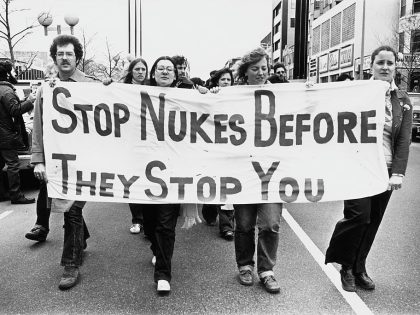
We are bumbling toward an AI-enabled, nuclear-curious World War III. A new book urges us to get over antiwar protest burnout and cynicism and to rebuild the long-dormant Cold War movement to ban the bomb.
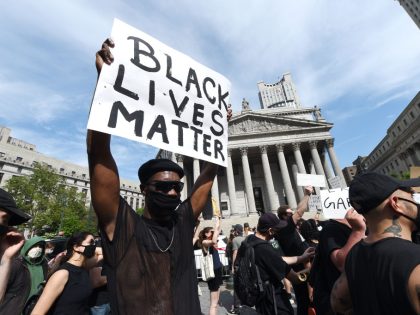
In Western democracies today, intense political polarization is the norm, and mass protests are not uncommon. Yet ordinary people remain far from the levers of power.

Austria’s experience with 16-year-old voters shows that expanding the franchise does little to restore trust when elections amount to a choice between managed decline and the far right.
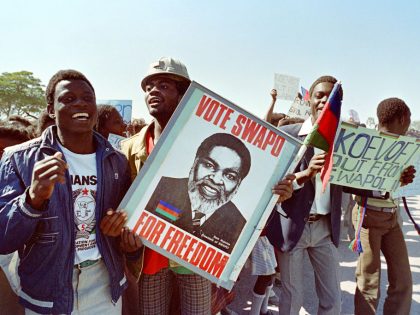
After more than a century of German and South African rule, Namibia finally gained its independence on this day in 1990. Working-class struggles and organizations played a vital role in the country’s long march to freedom.

Growing up after the monarchy’s fall, Nepal’s youth are confronting a republic that transformed political institutions while leaving the underlying social order intact.
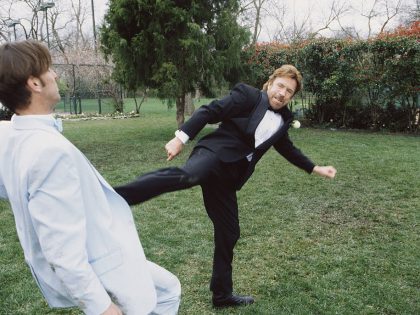
Twenty years before Donald Trump was posting AI images of himself as a king, the internet learned how to meme by exaggerating the masculine superiority of Chuck Norris. What began innocently with “Chuck Norris Facts” has evolved into MAGA’s empire of slop.

By treating young adult fiction as a laboratory for professional-class moralizing, the publishing industry has effectively abandoned actual teens.
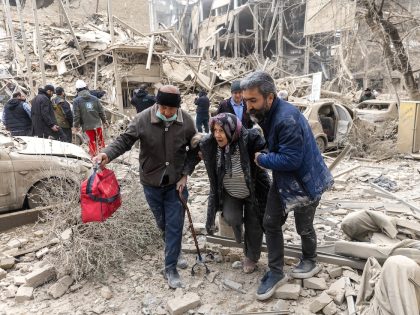
Donald Trump has resurrected the military fantasy of the “video game war,” waged mostly through high-tech, lethal air power with few US casualties. But his administration may have miscalculated the ease of what can pass as victory.

British class society had a dress code: the rich could be flashy, but workers were expected to wear a drab uniform. In the 1950s, England’s working-class Teddy Boys and Girls boldly donned pompadours and velvet, giving birth to modern British subculture.
The affluent often blame poverty on bad budgeting skills, claiming the poor just need to be taught financial literacy. But working-class people require living wages and a functioning safety net, not condescending lectures about money management.

Timothée Chalamet’s offhand jab at “dying” high culture sparked celebrity outrage. But without robust public investment and democratic ownership, opera and ballet will keep shrinking into elite pastimes instead of surviving as vibrant public art forms.
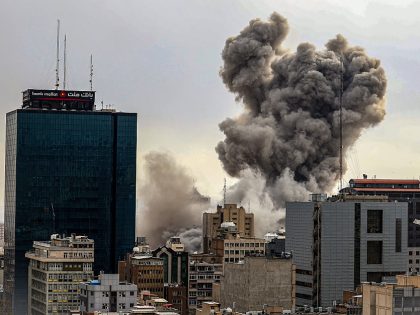
The Trump administration has spent around $24 billion in public funds on its war against Iran so far. Here’s what that money might have been used for instead.
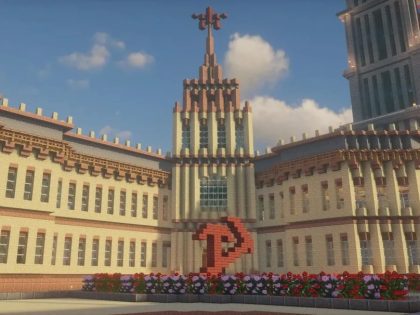
The proletarian revolution is playing out on a desktop near you.
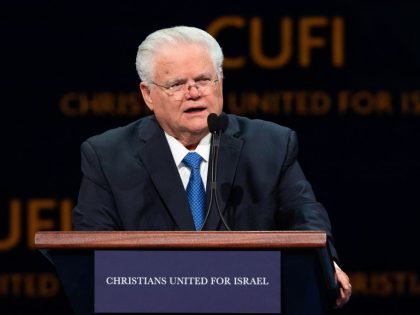
The Christian Zionist movement has long pushed for regime change in Iran. With allies in Donald Trump’s inner circle and its ideas seeping into the US military, it has played a key role in building support for the current war.
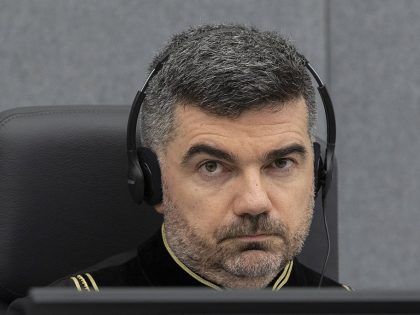
Sanctions were once sold as a gentler foreign policy tool for exerting pressure on dictatorships and terrorist organizations. Yet measures like banning individuals from having bank accounts or traveling are increasingly used to chill free speech in Europe.