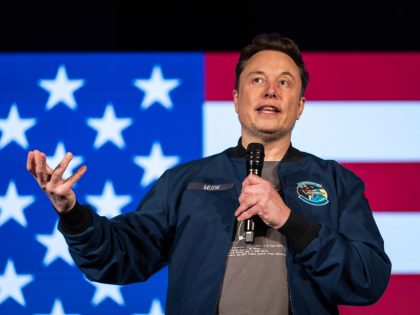
Muskism Is the Specter Stalking Our Present
Elon Musk sells us sovereignty through technology in an age of crisis. Muskism resembles past futurisms, but with an important difference: this time, the question of who owns the machines is paramount.
Alex Hochuli is a political analyst based in São Paulo, Brazil. He is host of the global politics podcast Bungacast and coauthor of The End of the End of History: Politics in the Twenty-First Century.
Elon Musk sells us sovereignty through technology in an age of crisis. Muskism resembles past futurisms, but with an important difference: this time, the question of who owns the machines is paramount.

Rise of the Bolsonaros, a new documentary chronicling Jair Bolsonaro’s ascent, makes for compelling viewing. But it ignores the fact that Brazil’s crises are rooted in its flawed developmental model, not just the rise of a family of reactionary zealots.
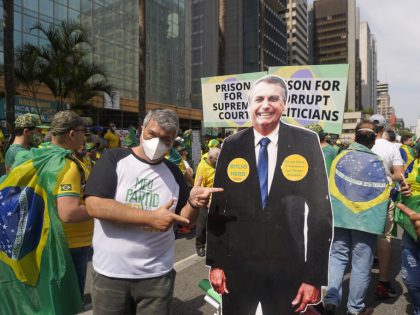
Far from being ascendant in Brazil, Jair Bolsonaro’s far-right politics look increasingly isolated, especially after a failed showing in the streets this week. But even with a small, reactionary minority of support, Bolsonaro can wreak serious undemocratic havoc.

HBO’s brilliant The White Lotus reminds us that class society permeates everywhere, even on a tropical island — something that US television traditionally does its best to hide.
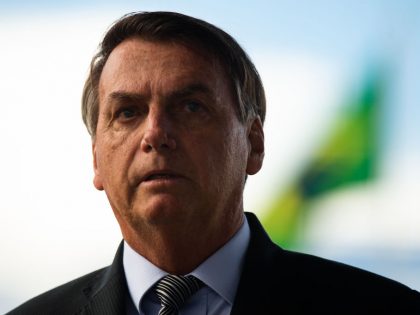
Two years on from his election, the anti-political wave that Jair Bolsonaro rode to office appears to have ebbed. In its place we are seeing a restoration of the reactionary forces that have ruled the country for most of its history.

Damien Chazelle’s Neil Armstrong biopic, First Man, is a thrilling paean to determination and discovery.
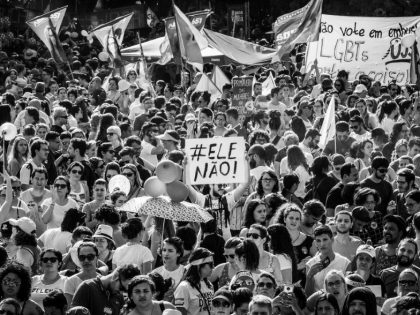
The core of Bolsonarism is hatred of Brazil's organized working class, which today — despite no threat of socialist revolution — is incarnated in the PT and the image of Lula.
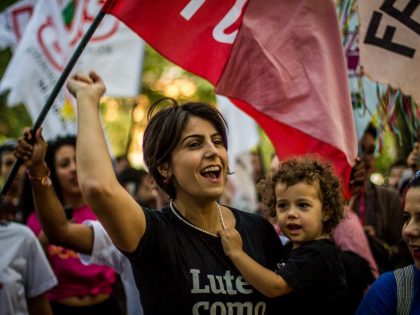
Brazilian vice-presidential candidate Manuela D'Ávila on misogyny in politics, the ruling class's motivations for keeping Lula jailed, and what's driving the far right's resurgence.

The soft coup in 2016, an unending economic crisis, and deep disillusionment among voters have led to a volatile and fragmented election in Brazil.
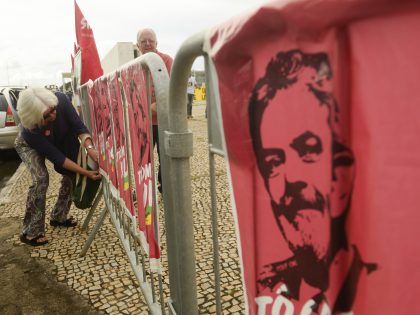
The soft coup now underway in Brazil shows just how quickly capitalists can turn against democracy.
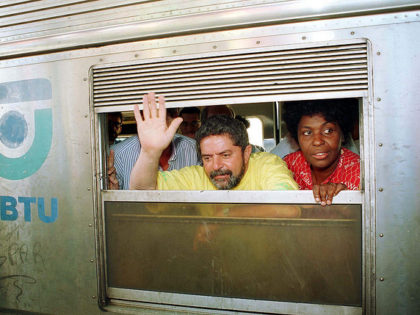
Lula's conviction could shore up Brazil's bickering ruling class while further fragmenting the Left.
Brazil's massive corruption scandals have turned the country's politics into a spectator sport.