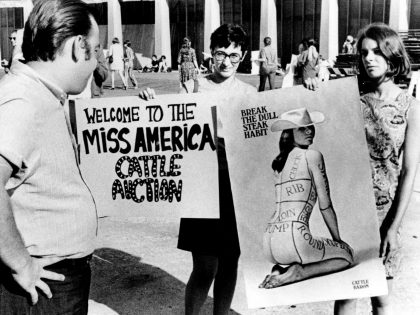
The Miss America Protests at 50
Fifty years ago today, the outrageous Miss America protests in Atlantic City brought second-wave feminism into Americans’ living rooms. Here are five reasons why the protests changed the world.
Fifty years ago today, the outrageous Miss America protests in Atlantic City brought second-wave feminism into Americans’ living rooms. Here are five reasons why the protests changed the world.
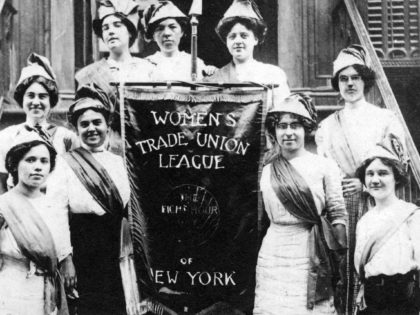
Fighting capitalism remains the only path toward women’s full liberation.
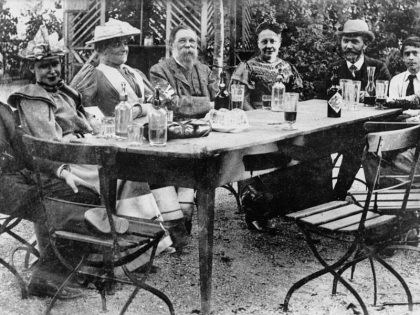
The early German socialist movement was a largely male affair, with widespread sexist attitudes compounding a state ban on women taking part in politics. But by the 1900s, a proletarian women's movement had forced working-class women's demands onto the agenda — insisting that they didn't need fathers and husbands, or bourgeois ladies, to speak on their behalf.
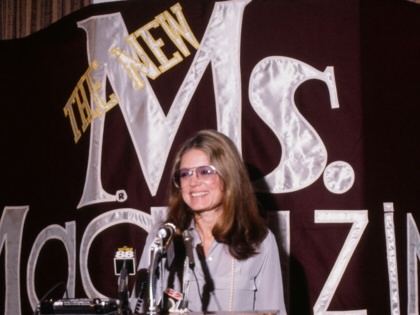
Gloria Steinem died this week at age 92. The establishment’s favorite “radical” feminist, Steinem worked with the CIA to promote reactionary propaganda and helped direct the women’s liberation movement into a corporate-friendly, anti-socialist direction.

Ann Snitow was at the heart of the radical feminist movement in the 1960s and '70s. She spent the next several decades working for a feminism that never shied away from robust debate — but always demands liberation.
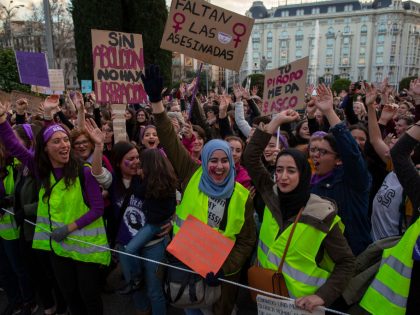
Women workers, people of color, and white men in the Rust Belt may not see each other as natural allies. But as Nancy Fraser tells Jacobin, there is a path to uniting the social majority — so long as we recognize our common enemy in capitalism.
From suffragette jingoism in 1914 to the liberal support for the war in Afghanistan, a long tradition of feminists has made excuses for Western imperialism. But women’s liberation demands that we break up established power structures — and start by focusing on the women who most suffer the effects of imperial violence.
Let us borrow a definition from bell hooks: feminism is the struggle to end sexist oppression.

Simone de Beauvoir’s reputation as a feminist pioneer is well-established, but the influence of Marxism on her thinking is too often overlooked. She wanted to build a socialist movement that would fight class and gender oppression at the same time.
Rebuilding the Left will require drawing on socialist-feminist traditions.

A bill to legalize abortion narrowly failed in the Argentinian Senate. But feminist movements have already effected a social revolution in South America.

The Wing, London’s new private members’ club founded by a former Hillary Clinton aide, is just more of capitalism covering itself in the veneer of women’s empowerment.
The memory of riot grrrl deepens the divide between cultural and material feminism, hobbling critiques of inequality by mistaking self-improvement for revolution.
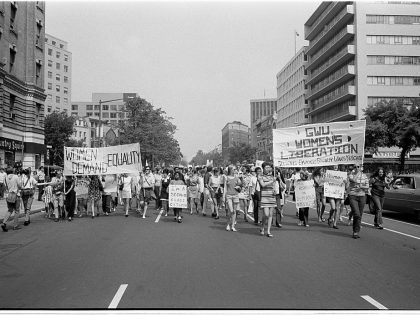
Feminism provided me with the tools to work toward a new kind of socialism.
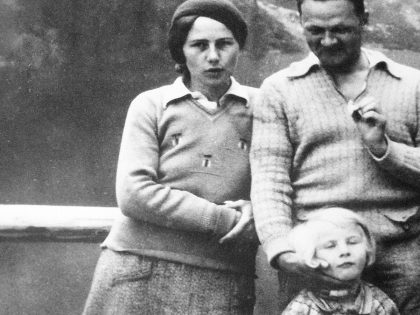
Liberal feminists often paint the fight for women’s liberation in Eastern Europe as a matter of “catching up with the West.” But presenting feminism as new to the region silences the battles waged by communist women after 1945 — and their victories over conservatives in both the Church and their own parties.
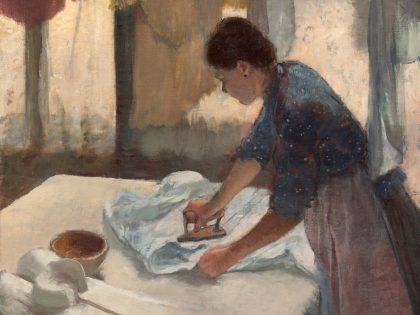
Women are overrepresented in low-paid work, care work, and unpaid labor. Their time, their bodies, and their emotional energy are resources for capital. Feminism cannot succeed without confronting the economic system that structures these inequalities.
One could say that Trumpism and corporate feminism are two sides of the same coin.

A feminism based on lionizing hyper-successful women obscures the unjust structures that need to be dismantled.

How Hillary Clinton backers deployed faux feminism and privilege politics to divert attention from her destructive policies.
Anti-porn feminism takes away power from the women who make porn and want control of their work.