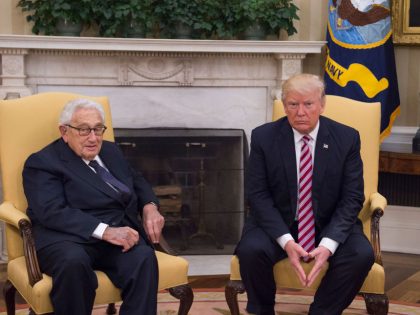
Could Henry Kissinger Possess the Pee Tape?
Many suspect Putin is blackmailing Trump. But could there be a different culprit? A plausible theory of mind-boggling confusion.
Many suspect Putin is blackmailing Trump. But could there be a different culprit? A plausible theory of mind-boggling confusion.
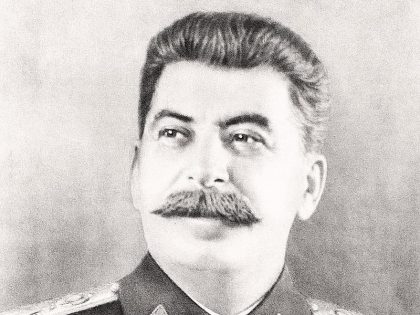
Stephen Kotkin aspires to give us the definitive picture of Stalin — and to bury socialism with his crimes. But Kotkin’s political outlook, neglect of ideas, and addiction to hindsight warp his presentation of Russian and Soviet history, undermining his entire project.
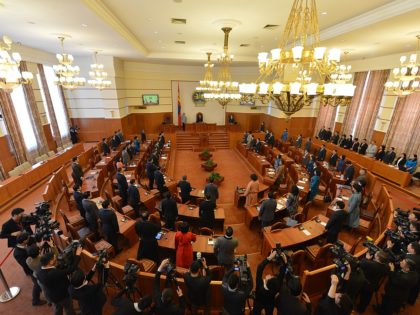
When the US intervened in Mongolia's elections, they did a lot more than leak emails.
Turkish president Erdoğan is wielding the state to attack anyone who won't capitulate to his authoritarian rule.

For years, Turkish president Recep Tayyip Erdoğan has pursued a harsh crackdown against Kurds and dissidents in the name of anti-terrorism. Now he’s using his role in NATO to launder his image and entrench his rule at home.

Before launching his invasion of Ukraine, Vladimir Putin claimed that the country he is now attacking is a Bolshevik creation. His mythical vision of history draws on the darkest tsarist imperialism.

Ten days before the first round of France’s presidential election, Jean-Luc Mélenchon is steadily rising in polls. But divides on the French left risk letting the anti-immigrant Marine Le Pen beat him to the runoff.
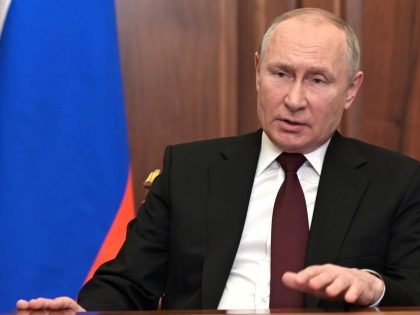
The world needs to punish Vladimir Putin for his illegal war and deter similar behavior in the future. Here are four options that don't require the West to get into a shooting war with Moscow.

In 2014 Ukraine, great power gamesmanship, righteous anger at a corrupt status quo, and opportunistic far-right extremists toppled the government in the Maidan Revolution. Today’s crisis in Ukraine can’t be understood without understanding Maidan.

German chancellor Olaf Scholz has just committed €100 billion to defense spending. The move is widely touted as a strong response to Russian aggression — but is more about showing Germany’s fealty to US global foreign policy objectives.

Vladimir Putin claims to be protecting Russian speakers in Ukraine. A Jacobin reporter at the Polish border found Russian-speaking refugees outraged at his claims — and at Russian media’s denial of horrors they saw with their own eyes.
Karl Marx’s final years of life are often overlooked as a period of intellectual and physical decline. But his thought remained vibrant to the end, as he addressed political questions that are still relevant to us today.

If Vladimir Putin thought domestic support for his war on Ukraine would be universal, he seems to have miscalculated. From teachers and lawyers to artists, journalists, and the clergy, Russians have taken immense risks to speak out against the war.
Ukraine’s energy infrastructure is a major Russian military target. But the system also faces another enemy: climate disasters putting ever more strain on the power grid.

The antiwar movement was right to challenge the lies used to justify the US-UK invasion of Iraq. We should be equally willing to denounce Vladimir Putin’s fake pretexts for war against Ukraine.
In the 1980s, as China sought to introduce markets into its economy, an internal debate roiled over whether to liberalize prices gradually or all at once. It rejected the free-market shock therapy option, and challenged neoliberal orthodoxy in the process.
Western media coverage often presents Serbia under Aleksandar Vučić as a Russian puppet state. In reality, Vučić has been playing both sides in the new Cold War while applying the same neoliberal policies that hold sway in the West.
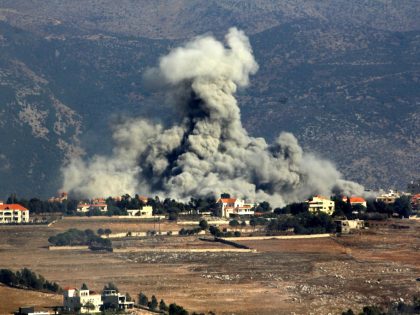
Israeli officials have cited a need to “escalate to de-escalate” as motivation for their ongoing assault on Lebanon. This theory has a long and ill-fated history in American foreign policy thinking, where it has served as a fait accompli for bloodshed.
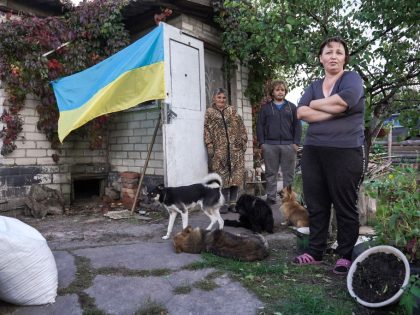
Ukrainian elites have for decades been divided between Westernized professionals and pro-Russian oligarchs, each with a narrow social base. The missing force has been the working class, unable to develop its own distinct project for the country’s future.
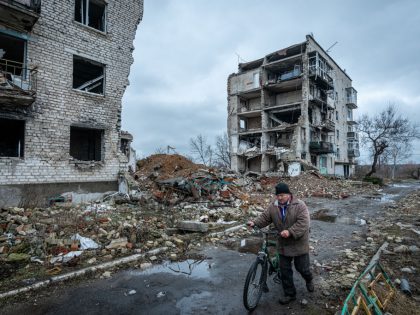
On Thursday, European leaders released another €50 billion in funding for Ukraine. The funds are a lifeline for the Ukrainian military — but waning US support and the stalemate on the front line are chipping away at Europe’s commitment to Kyiv.