The New Communists
It’s 2017. Time to stop worrying about the questions of 1917.
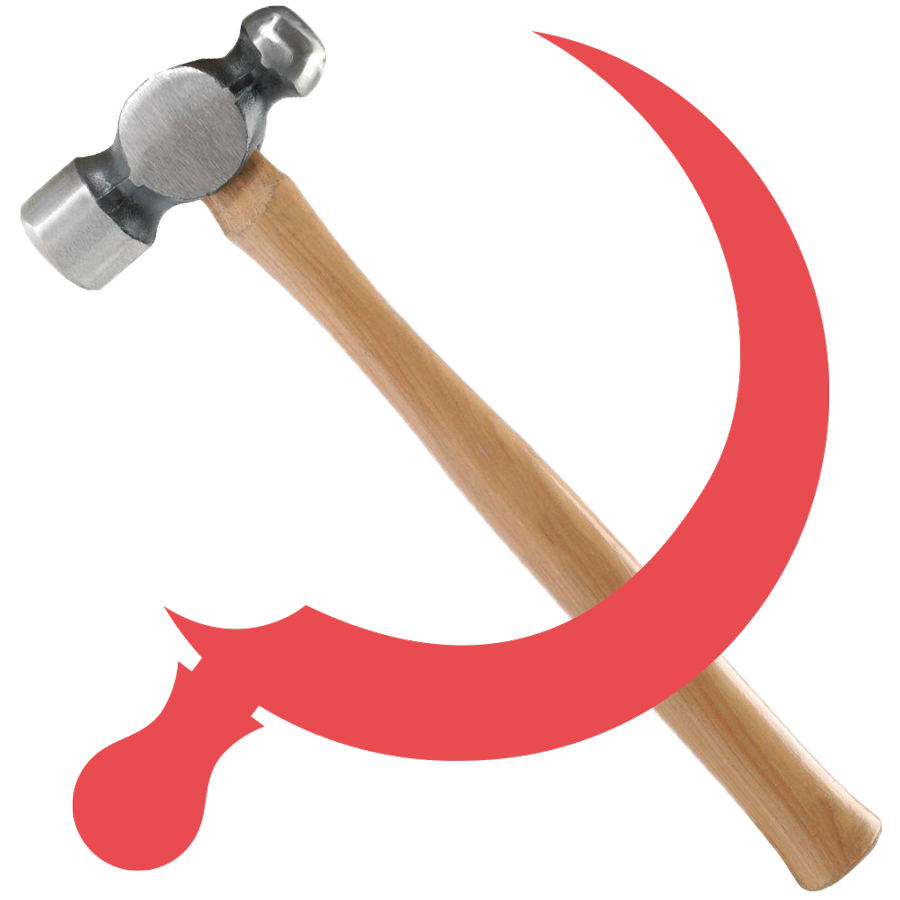
Nothing catches the eye like gold set against red. And in the great war of the twentieth century, the color scheme was on both sides of the divide — the Soviet hammer and sickle, McDonald’s golden arches.
At its peak, some variation of the USSR’s flag flew over 20 percent of the Earth’s habitable landmass. But while McDonald’s has now spread to over 120 countries, today only three of the four ruling Communist parties left fly the hammer and sickle. Of the five nations that claim Marxism-Leninism, the hammer and sickle appears on the state flags of none. Once the symbol of the struggle for a better world, today the hammer and sickle is a sign of little more than single-party sclerosis.
Yet that very icon was forged in the kind of populist fires that have eluded it for decades. In 1918, the Bolsheviks were looking for a new flag for their young state. They knew that they had to communicate the weight of their achievement — the first workers’ state in history. Just as the French Revolution’s tricolor set the standard for the republics of the nineteenth century, Soviet iconography, they believed, should set the standard for the coming proletarian states. So Lenin and Anatoly Lunacharsky, the commissar of education, held a design contest to take in entries from all across the republic.