Inside the NYC Democratic Socialists’ Powerhouse Electoral Machine
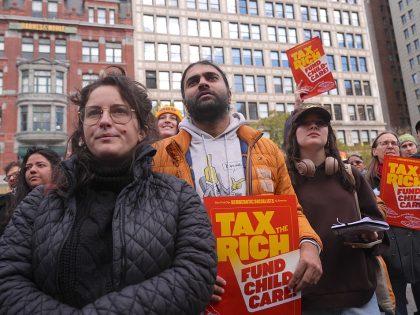
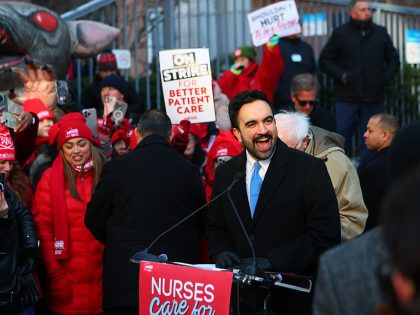
The New York City Democratic Socialists of America has built an electoral powerhouse with no paid staff and just a few years of political experience. Here’s how they pulled it off.

The New York City Democratic Socialists of America has built an electoral powerhouse with no paid staff and just a few years of political experience. Here’s how they pulled it off.

Elections keep handing power to elites. Anand Gopal and Ben Burgis debate whether choosing officials by lottery, as ancient Athens did, would be an improvement on representative democracy.

Far-right millionaire Abelardo de la Espriella has a narrow lead ahead of Colombia’s election runoff. Left-wing rival Iván Cepeda speaks of the outgoing government’s achievements, but rising violence has made the campaign especially volatile.

Because capitalism orients people toward profit rather than allowing us to pursue our interests freely, it inevitably separates humans from the creative act. AI art is just the slop frothing up from that gap.

Earlier this year, the Toronto Tenant Union held its founding convention. Its sights are set high: it aims to build a mass tenant movement capable of reshaping Toronto politics.

After World War I, city hall Socialists around Italy built an impressive array of welfare programs, schools, and libraries. The Fascist backlash soon showed the limits of their strength and the impossibility of relying on urban citadels of power alone.

In numerous races across the country this year, Palestine is a key issue for voters. Popular opinion is on the side of a Gaza cease-fire, but pro-Israel billionaires are spending big to overcome that antiwar will.

Chris Brooks, former chief of staff to United Auto Workers president Shawn Fain, was key to an attempt to transform a once mighty union hobbled by corruption and lethargy. Here’s what he learned from that process.

After a serious extra-parliamentary campaign in which DSA and newly elected socialist legislators figured prominently, the New York State legislature just passed the most progressive budget in years.

Once mocked as unsophisticated, Donald Trump in his second term has put forward an ambitious vision to reshape America. Surrounding the president is a loose network of intellectuals who provide his policies with a philosophy.

In Minneapolis, a new generation of activists is challenging Donald Trump, reviving labor militancy, and scoring victories. Next stop: May Day 2026.

For Democrats, the main issue in the shutdown wasn’t electoral backlash — it was the filibuster. Leadership feared its removal, viewing it as a safeguard to keep the party’s rising left wing in check.

Catherine Connolly takes office as Ireland’s president today. Her left-wing insurgent campaign took the Irish political establishment by surprise, winning a record number of votes and proving the Left can still triumph even in a bleak political landscape.

Talks over an American-Russian peace plan seek to impose a harsh settlement on Ukraine. Faced with the carve-up of territory, it’s vital to build an international peace movement opposing the logic of imperialist blocs.

Donald Trump and the GOP say they’re taking the cost-of-living crisis seriously. The reality: they’re making it far worse.

Minja Koskela is leader of Finland’s Left Alliance. She spoke to Jacobin about how the right-wing-populist Finns Party is using its place in government to attack labor and public services, and how her party is resisting austerian dogmas.

Visiting Israel, British far-right activist Tommy Robinson claimed that he had understood the dangers of anti-Jewish hatred. For Europe’s anti-immigration politicians, boasting about fighting antisemitism has become an alibi for rampant Islamophobia.

Rejecting surveillance capitalism means insisting, clearly and unapologetically, that markets should serve the people — not the other way around, writes NYC Department of Consumer and Worker Protection Commissioner Sam Levine.

Automation was meant to lighten the load, not empty out the payroll. As Amazon axes 14,000 jobs and plans to cut tens of thousands more, the future of work under AI will depend on who owns the machines and what we, collectively, make them do.

We live in an age of populism, on the Right and on the Left. In an interview with Jacobin, Vivek Chibber explains both populism’s potential and limitations for putting class and economics back into politics.