We’re in a Class War. Jane McAlevey Actually Acted Like It.
No one believed in and embodied the labor movement’s transformative power more than organizer, strategist, and writer Jane McAlevey.
No one believed in and embodied the labor movement’s transformative power more than organizer, strategist, and writer Jane McAlevey.
Among Jane McAlevey’s many audacious projects in the labor movement, her organizer training program, Organizing for Power, is one of her most innovative. Reaching tens of thousands of workers worldwide, her ideas and commitment will live on through it.
In response to the Democratic Socialists of America’s big electoral wins, some are eager to write it off as a movement of elite professionals. These criticisms miss a lot about both DSA and the changing working class.
When they started strategically resisting the bosses’ divisive tactics, meeting racism with solidarity, San Francisco longshoremen went “from wharf rats to the lords of the docks.”
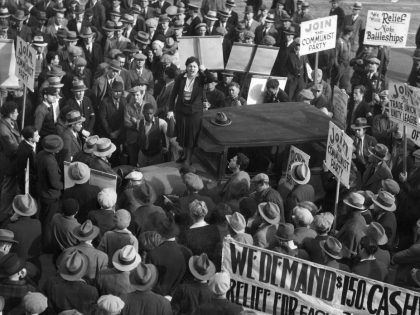
In the 20th century, American Communist Party members were portrayed as the Red Menace, an enemy within. In reality, they were ordinary people with extraordinarily complex intellectual, political, social, and romantic lives that deserve to be chronicled.
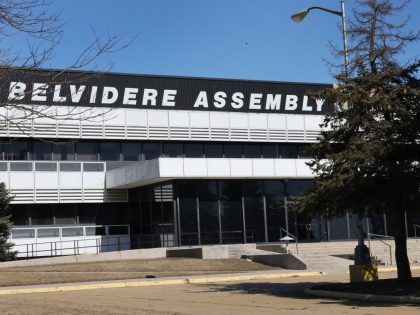
With their Big Three strike last year, the United Auto Workers made Stellantis agree to reopen its recently closed Belvidere, Illinois, plant. UAW members at other Stellantis factories across the US may have to strike to force the company to keep its word.
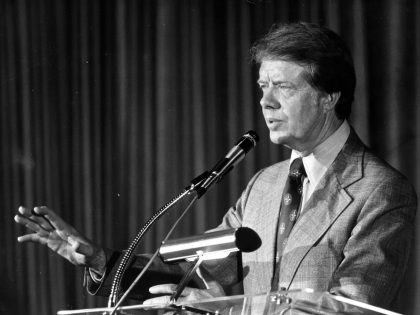
In July 1979, Jimmy Carter described a spiritual “crisis of confidence” that could “destroy the social and the political fabric of America.” But the neoliberal policies of his administration helped make the US a more atomized, mean-spirited society.
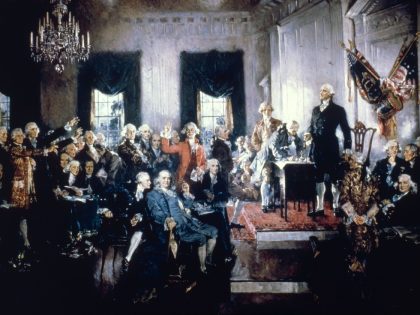
Early US elites drafted the Constitution to check democratic uprisings that threatened the power of the ruling class. The Bill of Rights, a late addition to the Constitution that protected important freedoms, was a concession to these popular struggles.
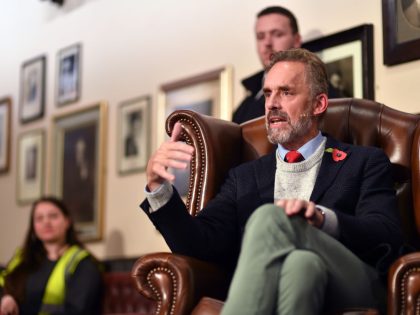
In his latest book, right-wing provocateur Jordan Peterson looks to extract existential and political lessons from the Old Testament. Far from probing deep truths, it’s a shallow, self-serving exercise in culture war.
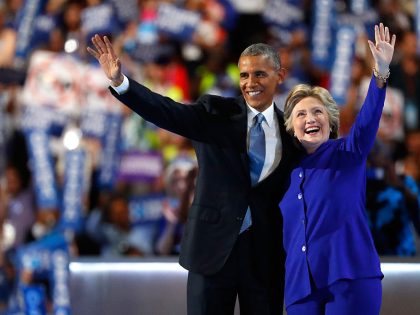
The Democratic Party at every level spent years embracing identity politics that mostly served the interests of professionals, argues Catalyst editor Vivek Chibber. We need a return to class.
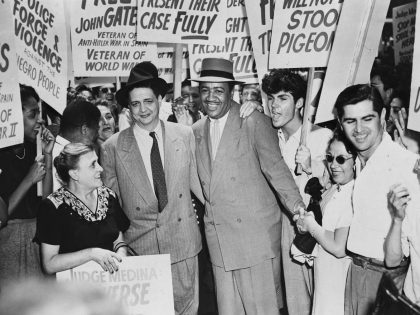
In New York City, a disgraced mayor and a discredited Democratic Party are creating potential openings for socialists. NYC history suggests that the Left might profitably revive proportional representation as a tool to build its electoral strength.
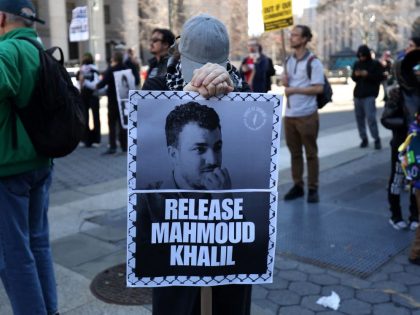
It is strategically and morally necessary for labor unions to fight Trump’s attacks on freedom of speech, writes painters' union president Jimmy Williams Jr. That means standing up for Mahmoud Khalil.
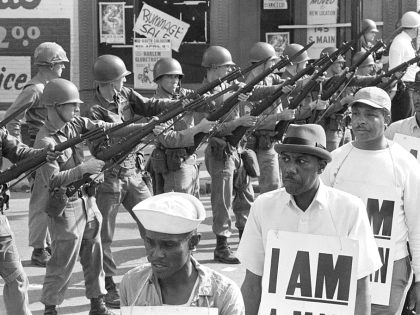
Donald Trump recently commandeered California’s National Guard to repress anti-ICE protests in LA. The National Guard has a long history of being deployed to break up protests and strikes, including violent repression of strikes by immigrant workers.
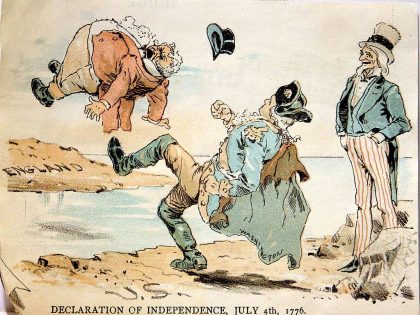
The US government is already preparing massive celebrations of the Declaration of Independence and the Constitution for next July 4, the country’s semiquincentennial. It’s high time to scrap the antidemocratic system the framers bequeathed to us.
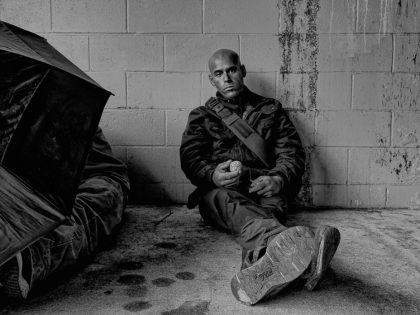
Homelessness is often thought of either as an issue of individual moral failings or merely of bad policy. It should instead be seen as a moral crisis for our democracy, one that demands transformative economic reforms.
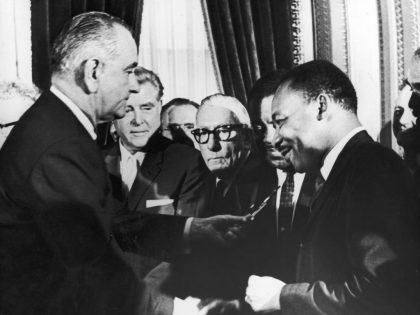
On this day 60 years ago, the Voting Rights Act was signed into law. Its protections have been rolled back in recent years — and our fundamentally undemocratic Constitution is to blame.

In defending and arming Israel over the last two years, Western governments have shown the hollowness of international law. The genocide will be remembered as a decisive moment in the collapse of liberalism.
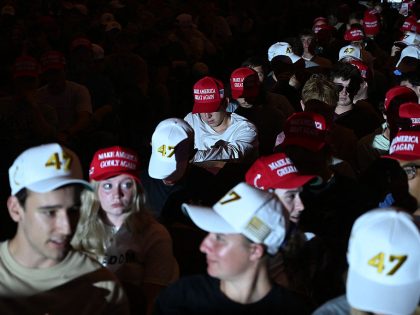
Ironic fascism is a disturbing symptom of the Trumpist right’s mounting ethnonationalism and authoritarianism.
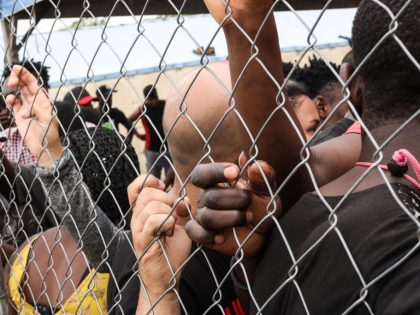
Nabbed at the airport, I was thrown into Mexico’s largest immigration detention center. There I learned from my fellow detainees about the terrible secrets and horrible violence of the Darién Gap, the global epicenter of the migrant crisis.
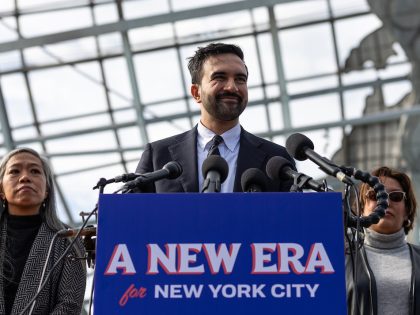
Zohran Mamdani’s mayoralty will be a fight for what’s winnable right now. Our job is to let that fight expand, not narrow, our horizon — and to keep alive the goal of socialism in our time.