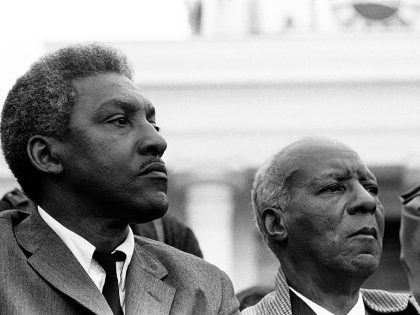
A. Philip Randolph and Bayard Rustin Have a Model for Today
Bayard Rustin and A. Philip Randolph’s Jobs and Freedom Strategy offers a path forward for a Left that has become increasingly insular, minoritarian, and powerless.
Bayard Rustin and A. Philip Randolph’s Jobs and Freedom Strategy offers a path forward for a Left that has become increasingly insular, minoritarian, and powerless.
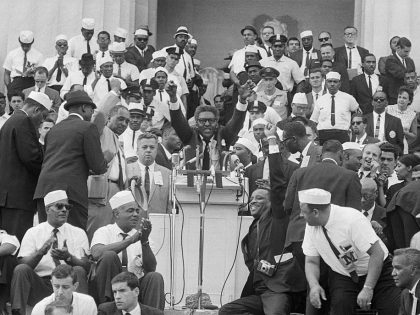
At the height of a calamitous war presided over by a Democratic president, the brilliant socialist organizer Bayard Rustin tried to forge a mass coalition to deliver progressive change. His failure to do so in the 1960s tells us much about building one today.
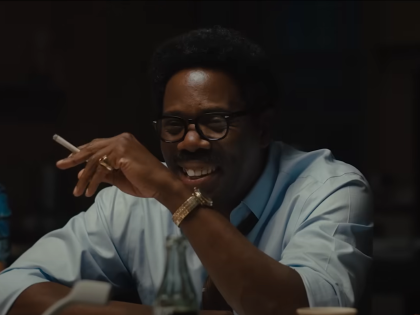
Netflix’s new feel-good Bayard Rustin biopic, Rustin, claims the civil rights hero has been forgotten because of his sexuality. But it was his fiery and provocative class politics that makes him both controversial and prophetic today.
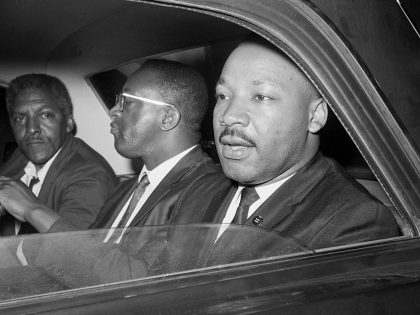
Accounts of the life of Martin Luther King Jr often present him as a singularly great individual. Yet MLK was profoundly shaped by a vibrant ecosystem of socialists and labor radicals, from Myles Horton and Rosa Parks to Bayard Rustin and Stanley Levison.
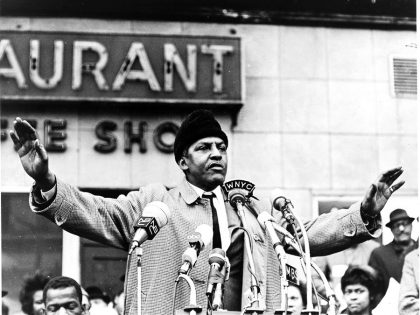
How one of the greatest American socialists ended up on the wrong side of history.
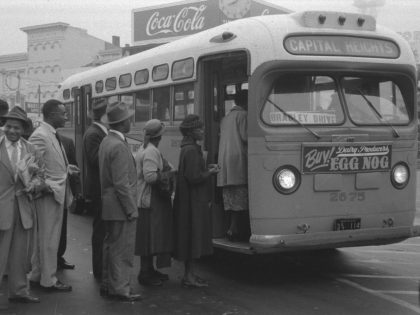
In 1950s America, the Cold War was raging, but socialists were playing key roles in the early civil rights movement. We can’t afford to let that radical history be sanitized.
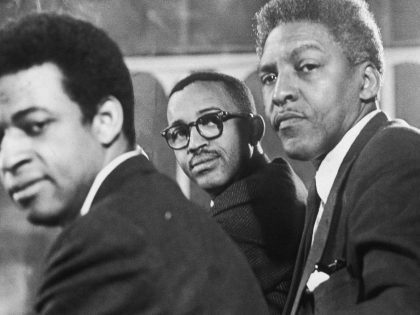
Activist and organizer Norman Hill was present for every major development in the civil rights movement during the 1960s. He spoke to Jacobin about the arc of the movement, the legacy of its leadership, and the lessons for the modern left.
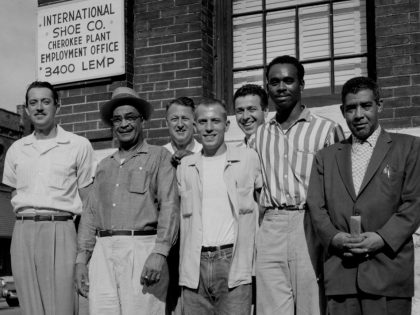
Twentieth-century black labor leader Ernest Calloway never became a household name. But through his work in both the Teamsters and the NAACP, he embodied the transformative potential of a united labor and civil rights movement.
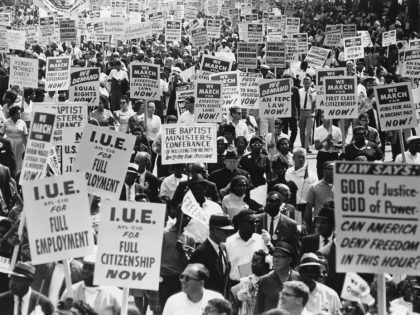
The March on Washington was 59 years ago today. It’s popularly remembered as a moderate demonstration where MLK “had a dream” — but in fact, it was the decades-long culmination of a mass, working-class movement against racial and economic injustice.


With its vast logistics empire deploying robotics, surveillance, and AI to block worker power at every turn, Amazon now sits atop the throne of American capitalism. Organizing it will define the future of the labor movement.
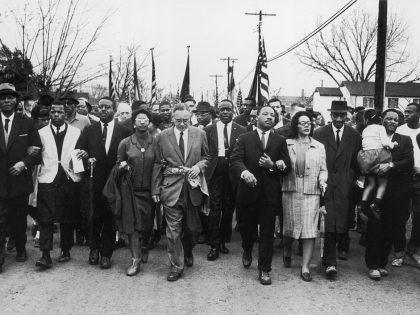
Today is the 60th anniversary of the March on Washington. Ignore the lies and distortions — the reality, as the latest research shows, is that scores of socialists influenced or were themselves key figures in the civil rights movement.
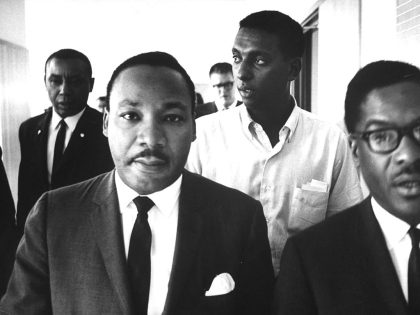
Martin Luther King Jr had a rich relationship with socialist politics: he sympathized with but ultimately rejected Marxism, and he settled on a Christian socialism that viewed the struggle against racism and class oppression as fundamentally intertwined.
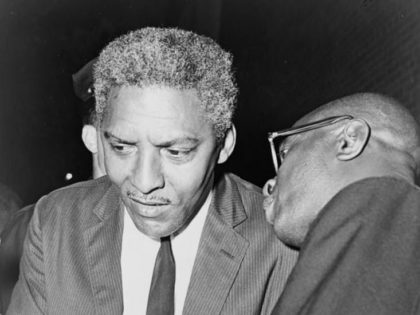
A generation ago, socialists and civil rights activists tried to transform the Democratic Party. Why did they fail?
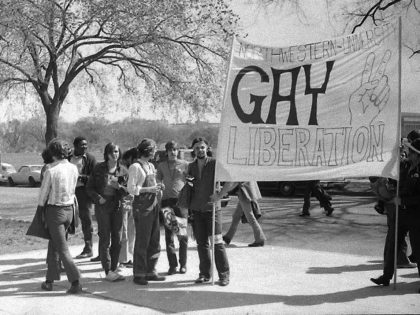
Gay identity became possible thanks to capitalism’s emancipatory side: its liberation of the individual from material dependence on the family. But that sexual freedom wasn’t automatic — it required decades of militant struggle. Today, we need more such struggles to combat the oppressive aspects of capitalism, which keep gay and straight people alike from living fully free lives.
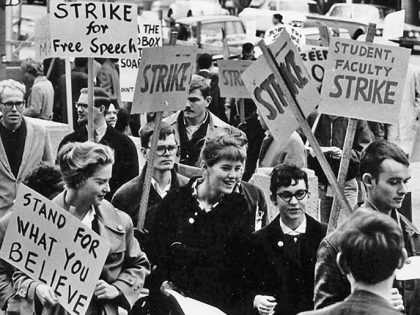
The Berkeley Free Speech Movement is rightly remembered as a crucial moment in the upsurges of the 1960s. Less remembered is the role that radicals, especially members of the Independent Socialist Club, played in that movement.
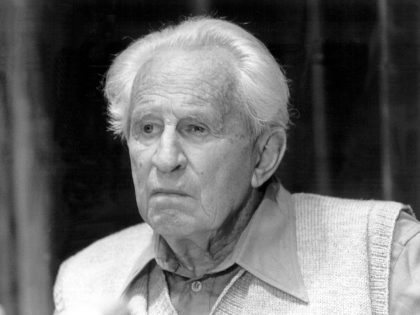
Socialists today should learn from Herbert Marcuse’s One-Dimensional Man: in particular, its spirit of protest, its materialist social theory, and its warnings about commodified liberation. But they should leave behind its moralism and despair about change.
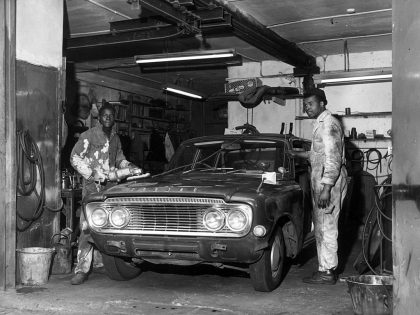
Good union jobs built America’s blue-collar black middle class. But the percentage of black workers in manufacturing has been halved since the 1970s, yielding poverty and precarity. We can’t achieve racial justice without a movement to win those jobs back.
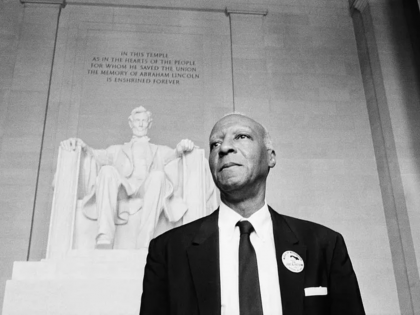
As the Left attempts to chart a new course in the wake of the Bernie Sanders campaign, there’s no better time to learn from America’s most underrated socialist, labor leader, and civil rights legend, A. Philip Randolph.

This Easter, we should remember the rich tradition of Christian socialism in the US. And one of that tradition’s most important figures is the radical leader A. J. Muste, whose religious faith animated his commitment to socialism and nonviolence.