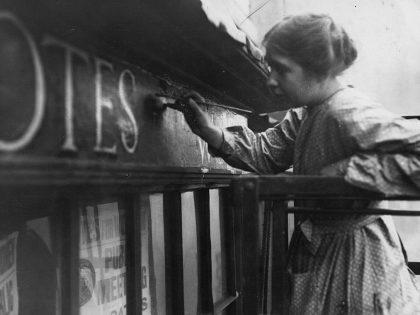
A British Suffragette in America
British suffragette and socialist Sylvia Pankhurst didn't just want to talk to "society ladies" about the right to vote. She wanted the women's movement to be part of a broader emancipatory project.
David Broder is Jacobin’s Europe editor and a historian of French and Italian communism.
British suffragette and socialist Sylvia Pankhurst didn't just want to talk to "society ladies" about the right to vote. She wanted the women's movement to be part of a broader emancipatory project.
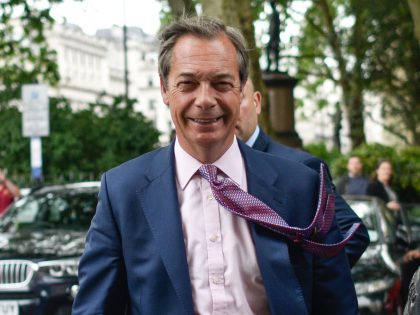
From social democracy to Christian democracy, the old mass parties are dying. And it's the far right that's benefiting.
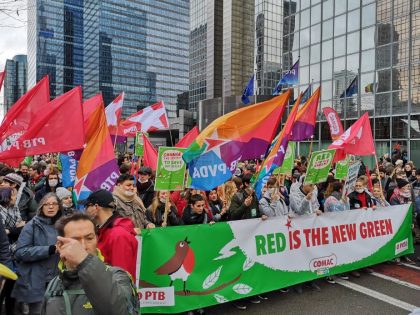
Last week’s elections produced grim results for the Left across most of the continent. But in Belgium, the Workers’ Party made a historic breakthrough.

Matteo Salvini, Italy’s hard-right interior minister, has no intention of taking his country out of the eurozone. And his plans to change the EU from within are surprisingly feeble.
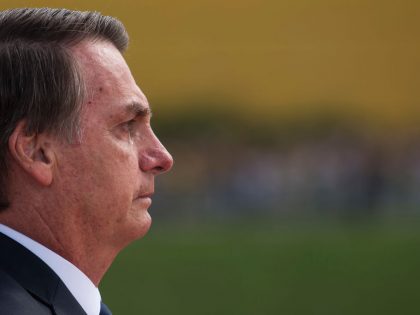
Far-right president Jair Bolsonaro was lifted to power by the mass mobilization of the Brazilian middle classes. But it wouldn't have been possible without years of failed austerity policies.
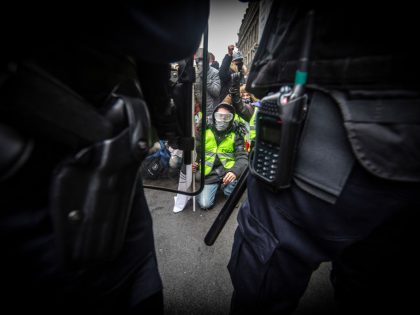
Neoliberal president Macron’s fuel tax hike has sparked six months of protests. But for France Insoumise’s Danièle Obono, the gilets jaunes and climate marchers aren’t on opposing sides: they both want the rich to pay for climate chaos.
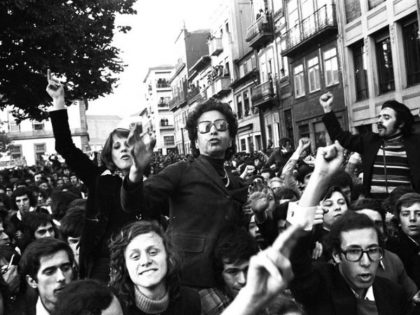
On April 25, 1974, a mutiny in the Portuguese army put an end to five decades of dictatorship. The revolution that followed showed how working people can take a modern economy into their own hands.
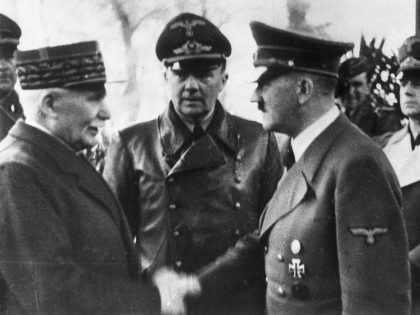
A self-serving national myth portrays France as immune to fascism. Yet the Vichy regime had deep roots in the country’s prewar history.
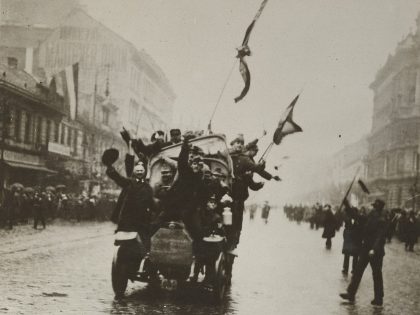
In March 1919, Hungary saw the creation of a short-lived revolutionary state. We look at the significance of the Hungarian Soviet Republic, and its attempted transformation of art and culture.
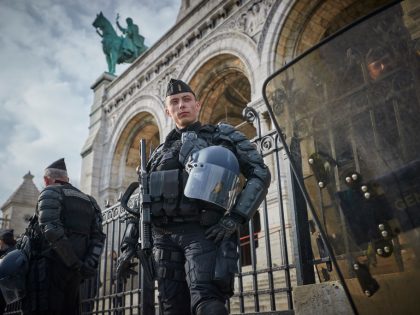
Emmanuel Macron’s decision to use the army to repress the Yellow Vests represents a desperate bid to project a tough-guy image.
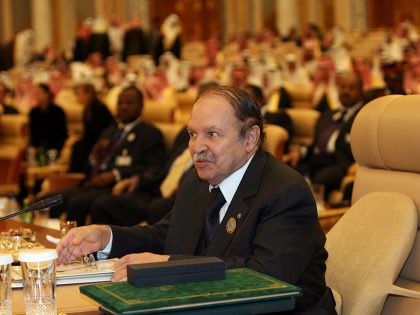
Hundreds of thousands have taken to the streets of Algeria to protest authoritarian president Abdelaziz Bouteflika. Yet the demand for change also reflects cracks within the ruling regime.
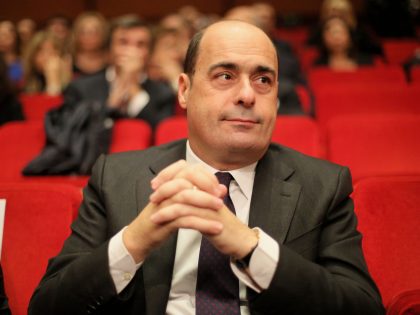
Parts of the business press have painted the Italian Democrats’ new leader as a local Jeremy Corbyn or Bernie Sanders. They’re being too kind.
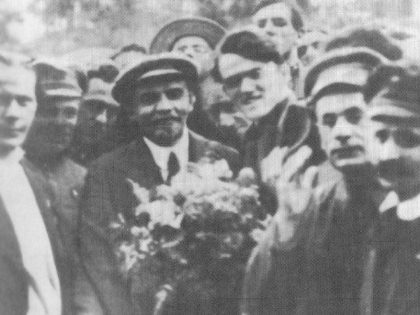
The Irish fight for freedom inspired revolutionaries around the world. Yet the Comintern founded in 1919 struggled to build a lasting socialist presence in independent Ireland’s politics.
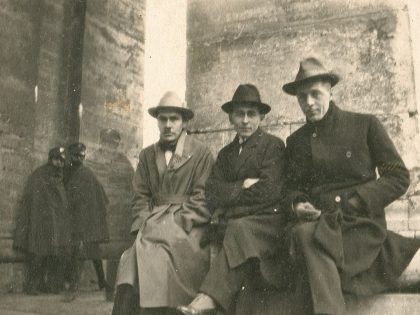
One hundred years ago, the Third International inspired the creation of communist parties across Latin America. Yet only its demise would liberate them from stifling Russian control.
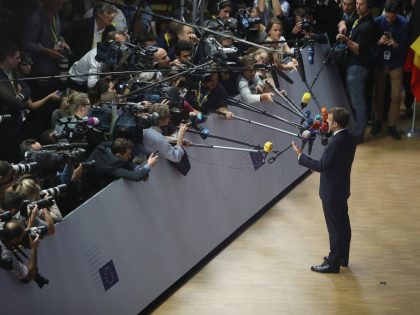
Emmanuel Macron has described anti-Zionism as a new form of antisemitism. Yet by associating all French Jews with the state of Israel, he risks fueling resentment between the victims of racism.
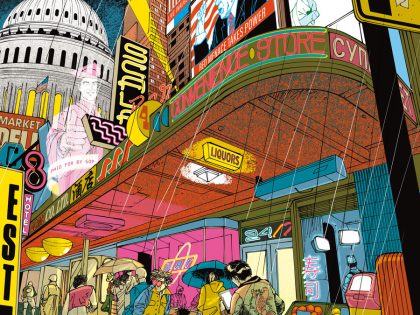
Socialists throughout history have understood that holding office is not the same thing as winning power. Working people can only entrench their victories through a fight to change the state itself.
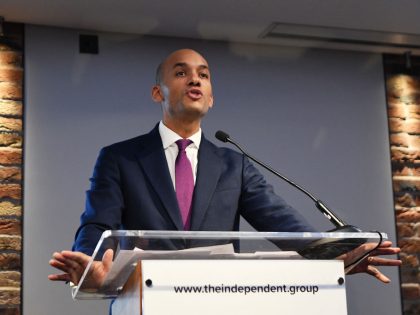
Splitters from Labour want to create a new centrist force in British politics. The Social Democratic Party of the 1980s offers plenty of reason to hope they’ll fail.
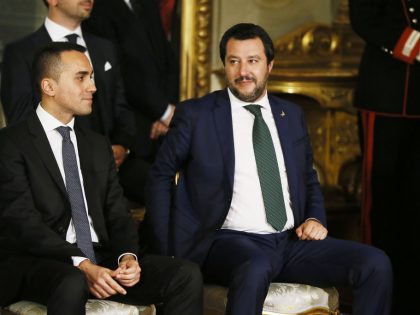
Italy’s far-right Matteo Salvini faces charges for the kidnapping of 177 migrants. But the supposedly anti-establishment Five Star Movement can block the trial — and probably will.
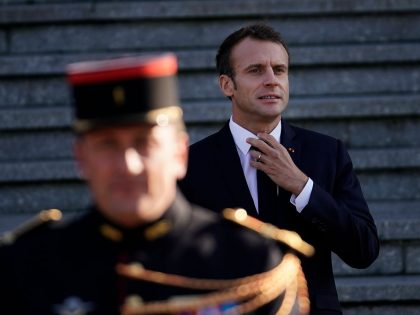
Emmanuel Macron’s bid to silence his critics hasn’t stopped at repressing the gilets jaunes. He's also pushing measures to straitjacket the whole media.
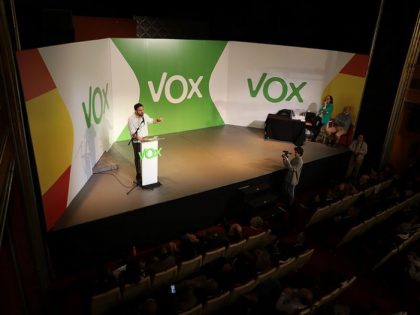
Spain’s far right is enjoying its biggest breakthrough since the 1970s. But it grows from a reactionary swamp that has festered ever since Franco’s dictatorship.