Rank and File
Without a socialist left, both inside and outside of unions, organized labor will continue to lose ground.
Without a socialist left, both inside and outside of unions, organized labor will continue to lose ground.
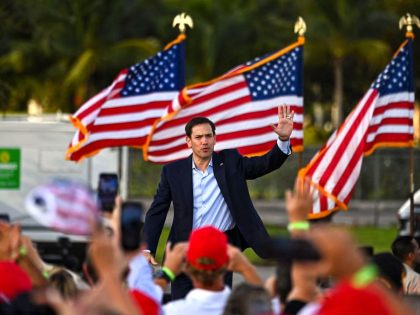
The bare minimum requirement of being a party of workers is to actually support measures that would improve those workers’ lives. By that metric, the GOP has failed over and over again.

Ron DeSantis’s new economic plan promises to stand up to the ruling class and big corporations, echoing the “pro-worker” rhetoric bubbling up from some segments of the Right. But their mega-rich donors aren’t buying the act, and neither should you.
How has the rise of finance changed class relationships?
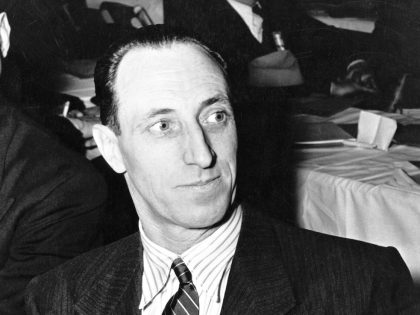
Radical labor leader Harry Bridges helped create one of the US's most powerful unions, the International Longshore and Warehouse Union. Its founding principles were anti-racism and worker autonomy, which he learned from rank-and-file dockworkers and seamen.
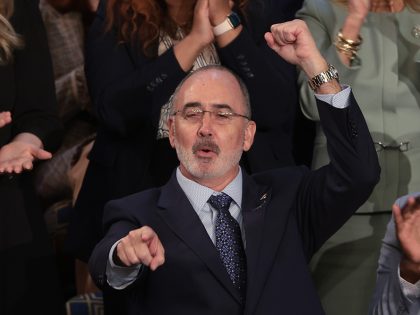
United Auto Workers president Shawn Fain lays out the union’s vision for rewriting trade rules, raising wages across North America, and challenging the race to the bottom.
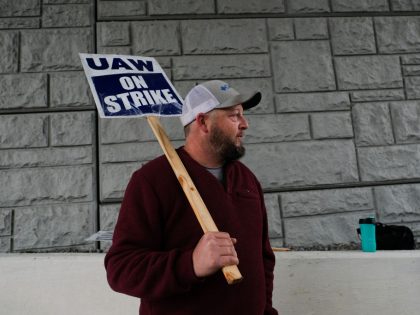
Organized labor and progressive politics do not fail in the South because of some ingrained cultural pathology. They fail because its interracial labor movement was, and continues to be, systematically suppressed.
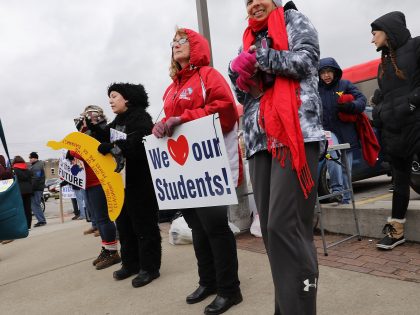
One lesson from the West Virginia teachers’ strike is clear: nobody is coming to save us. We’ll have to do it ourselves.
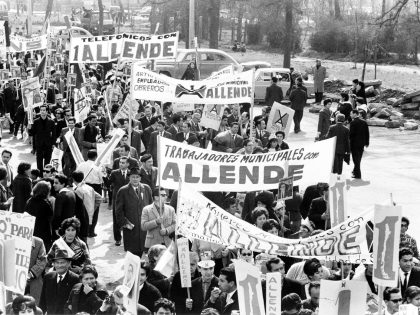
All around the world, it wasn't capitalist elites who gave us democracy. It was organized workers.
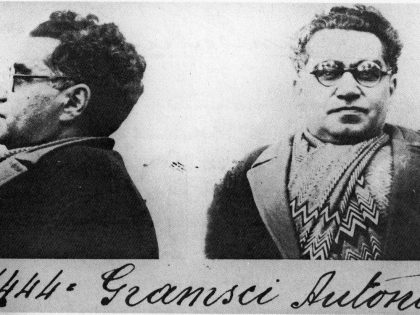
Antonio Gramsci is remembered as a great theorist of modern politics and culture. But he didn’t think big ideas were just a matter for intellectuals — and he insisted that workers must become the leaders of their own organizations.
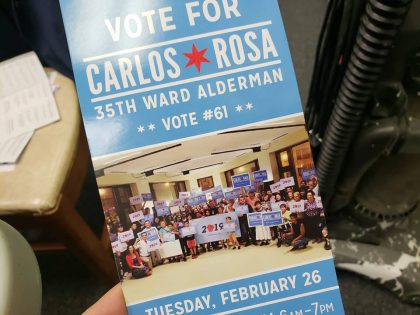
Chicago has long been dominated by a powerful Democratic machine and decades of austerity and gentrification. But the city’s left won victories across the board in Tuesday's elections.

This week, French writer Annie Ernaux was awarded the Nobel Prize in Literature. In an interview, she explains how her class background and the reality of class divides shape her writing.
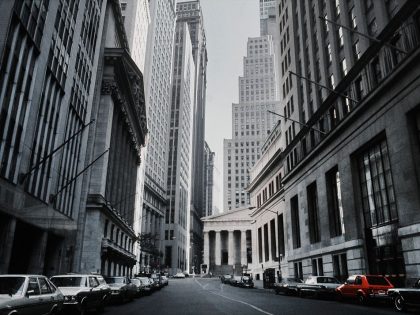
In Counterrevolution, Melinda Cooper reads the 1970s economic crisis as an elite revolt rather than proof of the New Deal order’s unsustainability. Her arguments rely on a rejection of Marxism as an analytical framework and of socialism as a political horizon.
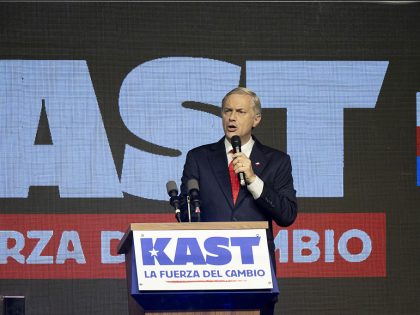
The first round of voting in Chile’s general election in November saw the shocking rise of the far right and the collapse of the country’s new left. It’s a crushing but not total defeat for the movement helmed by President Gabriel Boric.
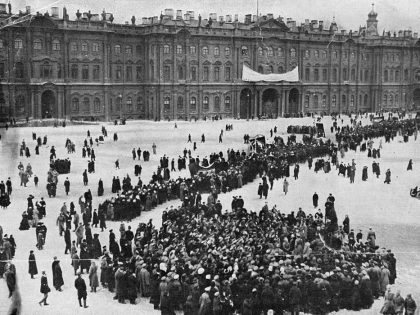
The revolutionary socialist vision is a vital one. Today’s rising socialist movement shouldn’t discard it.
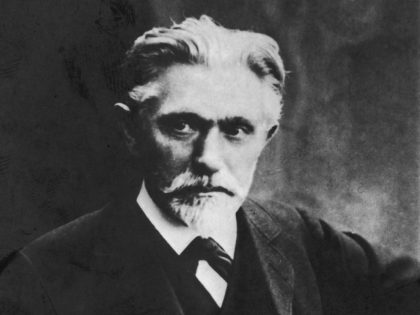
August Bebel was the most important leader of German socialism in the period before World War I. Bebel championed the cause of women’s liberation in his book Women and Socialism, one of the most important and influential socialist texts of its day.

We spoke to Zohran Mamdani’s campaign communications director, Andrew Epstein, about how a disciplined and creative message, mass canvassing, viral videos, and an end run around mainstream media helped the campaign break through.
Old ways of thinking about mass democratic politics won't cut it in today's globalized, atomized society.
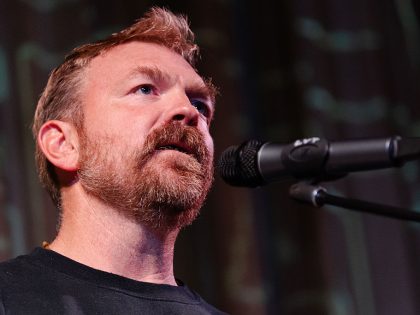
Establishment Democrats spent a full year complaining the Left forced them to be “woke.” But then a left populist, Graham Platner, threatened to win in Maine, so they went right back to trying to cancel someone over old internet posts.
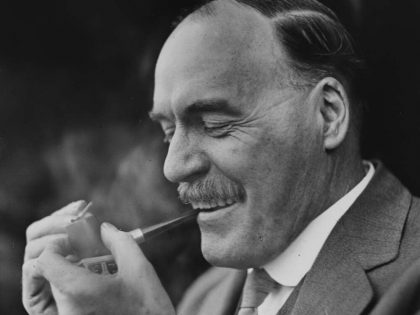
Jack Lang enjoys a reputation as Australia’s most radical Labor leader. Lang didn’t start off on the party’s left, but he refused to impose austerity measures as New South Wales premier during the Great Depression, leading to a bitter confrontation and Lang’s dismissal from office.