The Persistence of Pax Americana
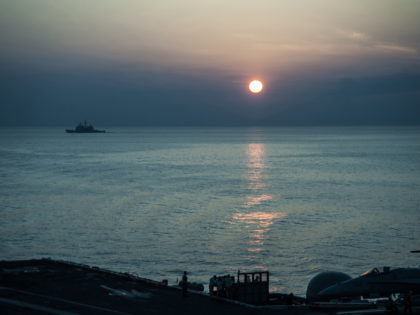
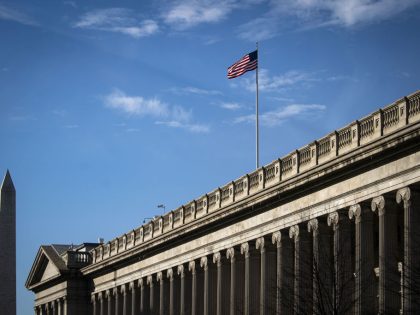
Donald Trump came to Washington vowing to take on the foreign policy establishment. But Beltway elites have mostly gotten their way.

Donald Trump came to Washington vowing to take on the foreign policy establishment. But Beltway elites have mostly gotten their way.

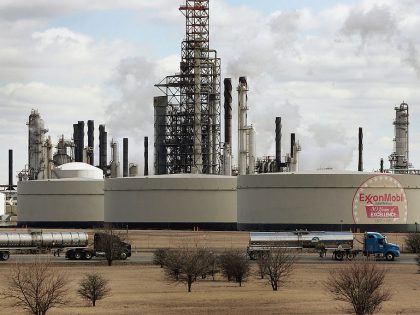
Global oil prices have plummeted in the wake of the COVID-19 pandemic. But that doesn’t mean the giants of the industry are facing terminal decline: Big Oil could bounce back stronger than ever.

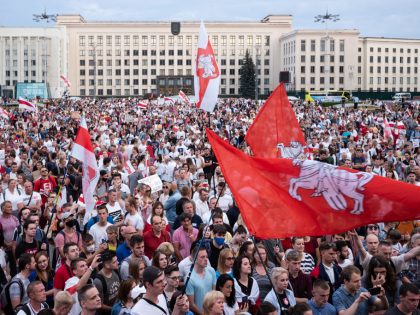
It's six months since the fraudulent election in Belarus sparked mass protests against Alexander Lukashenko's authoritarian regime. The collapse of his statist model of capitalism has fed mass discontent with his rule — but the liberal opposition's own promises of change also drew skepticism among working-class Belarusians.

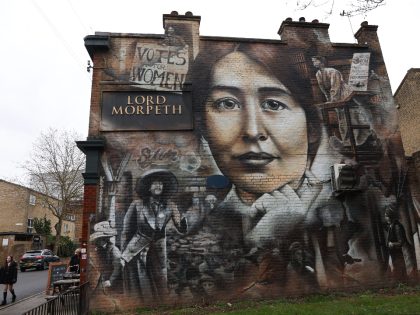
Repeatedly imprisoned for the cause, Sylvia Pankhurst was one of the leading figures in the struggle for women’s suffrage in Britain. What many don’t know is that Pankhurst also played an important role in the early history of British communism.

Sanctions used to be deployed as a slap on the wrist for foreign leaders, but over the past several decades they have become a central weapon of US foreign policy. Excessive use of sanctions may have begun to undermine US global hegemony.


For sixty years, the United States’ blockade against Cuba has worked to hinder the island’s development and prevent it from trading even with third countries. It’s time Washington stopped its cruel punishment of its smaller neighbor.

Opposing Vladimir Putin’s horrific war in Ukraine is no reason to target ordinary Russians or Russian culture. Anti-Russian bigotry won’t bring peace to Ukrainians.

When the Soviet Union fell, Russians lost their sense of past and future at once. Collective hallucinations flourished in the void. In the United States, our reality is now disintegrating in a similar way.

The new oil blockade makes explicit what US policy has long denied: that economic warfare against Cuba targets civilians in the name of “regime change.”

When Benito Mussolini’s Italian Fascists pulled off their coup d’état in October 1922, Antonio Gramsci was in Moscow — and his first article responding to the events appeared in Russian. It was virtually lost for a century. We publish it in English for the first time.
With powerful class movements behind it, technology can promise emancipation from work, not more misery.

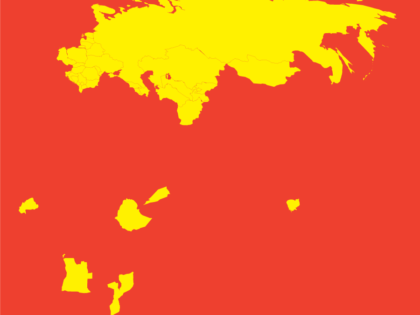
What’s left of the Left in the post-socialist world?

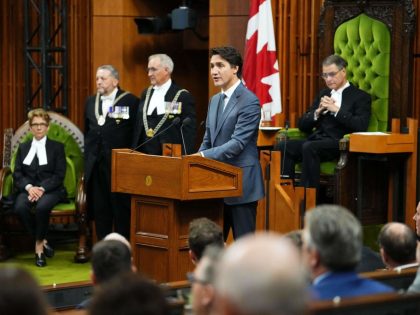
When Canada’s parliament unwittingly paid homage to a Nazi veteran, it opened the door to questions about its postwar past. The incident highlights broader issues of historical distortion and the country’s history of harboring Nazi war criminals.

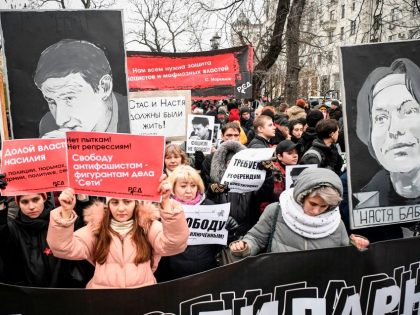
After the demise of the USSR on December 26, 1991, the Russian left had to find its place in a society transformed beyond recognition. In the face of huge challenges, its activists have led important struggles against the system established by Yeltsin and Putin.

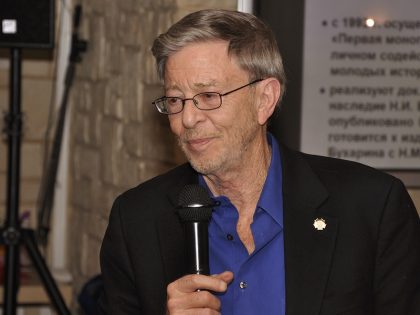
Stephen Cohen, who passed away earlier this year, resisted ideological conformity at every turn. The great historian of Nikolai Bukharin and the Russian Revolution left behind a deep body of work that will remain invaluable for generations of socialists to come.

Many of the Russian superrich who have had their assets frozen in recent weeks have deep connections to the art world. As the curtain is pulled back on these holdings, art’s role in creating and sustaining the 1 percent has once again been revealed.

Talks over an American-Russian peace plan seek to impose a harsh settlement on Ukraine. Faced with the carve-up of territory, it’s vital to build an international peace movement opposing the logic of imperialist blocs.

Why should extravagant pleasures and intense feelings be reserved for the bourgeoisie?

Between world wars and a crippling civil war, the Russian Revolution fought to change history.