How the Ukrainian Working Class Was Born
At the turn of the last century, Ukraine’s labor movement was subject to tsarist domination and divided along linguistic lines. The revolutions of 1917 inspired calls for self-determination and the formation of a common Ukrainian identity.
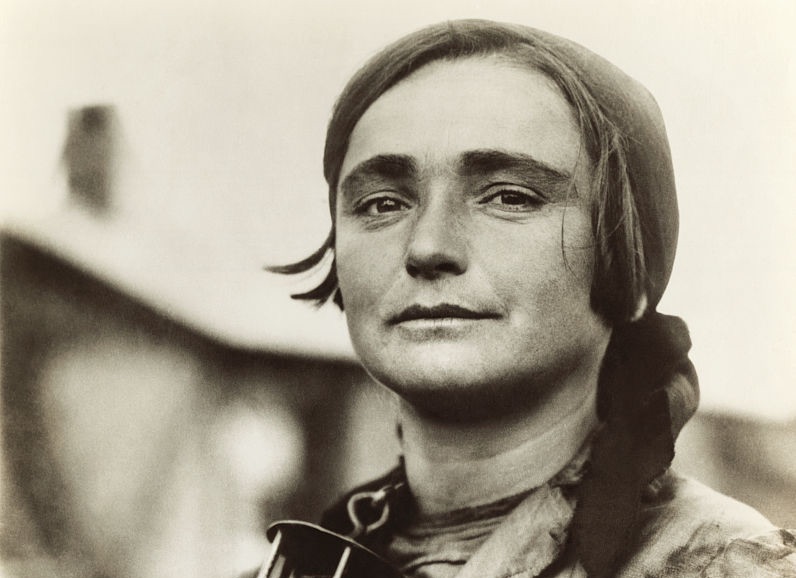
A woman coal miner from the basin in the Ukrainian Soviet Republic in 1919. (George Rinhart / Corbis via Getty Images)
Faced with the brutal Russian invasion of Ukraine, many pundits have reached for simple stories of Ukraine’s national identity — as have key figures in the war itself. Vladimir Putin insists that Ukraine was a creation of Vladimir Lenin in a Bolshevik crime perpetrated against the integrity of the “Russian world.” At the same time, even commentators outwardly supportive of Kiev have regurgitated far-right narratives that celebrate Nazi collaborator Stepan Bandera as an avatar of national independence.
Yet there are also other, very different trends in Ukrainian history: that of the workers’ movement that emerged under the yoke of the tsarist empire; the Ukrainians who made their careers — or else were cruelly repressed — in the interwar Soviet Union; or the millions of Ukrainians who joined the Red Army to fight against Nazi colonization. Understanding these elements, as well as developments in post-Soviet decades, is key to breaking out of the rival accounts that take the whole of Ukraine’s history for a monolith.
Marko Bojcun is a Ukrainian socialist and author of The Workers’ Movement and the National Question in Ukraine 1897-1918. He spoke to Jacobin’s David Broder about the historic rise of Ukrainian national identity, its paradoxical development in the Soviet period, and the prospects of peaceful cohabitation among the peoples of Eastern Europe today.