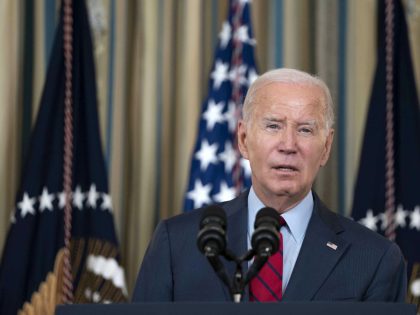
The Biden Era’s Defining Characteristic: Anti-Politics
Whether because of Trump fatigue or COVID or both, the Biden years have been defined by a kind of anti-politics. Many fewer Americans are now paying politics much attention at all.
Luke Savage is the author of The Dead Center: Reflections on Liberalism and Democracy After the End of History and a writer on Substack.
Whether because of Trump fatigue or COVID or both, the Biden years have been defined by a kind of anti-politics. Many fewer Americans are now paying politics much attention at all.
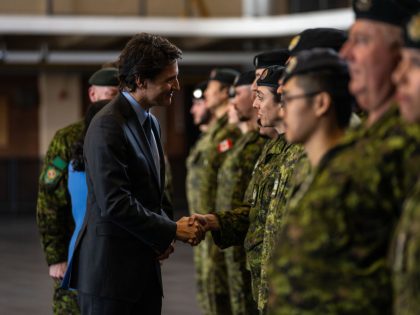
Canada has long brandished its image as an honest international broker and champion of human rights. Its massive arms shipments to Saudi Arabia, one of the world’s most authoritarian regimes, paint a very different picture.
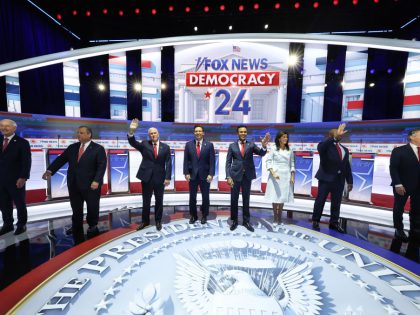
Anyone who doubts whether the GOP is still Donald Trump’s party should watch last night’s Republican candidate debate. From the positions staked out to the aping of some of Trump’s signature catchphrases, even in absentia, Trump loomed largest onstage.
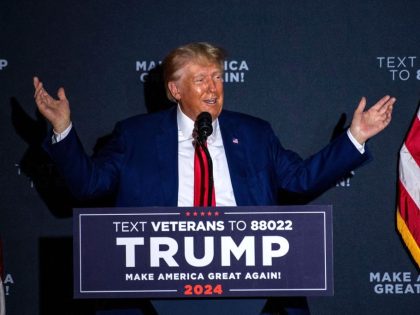
Donald Trump’s indictments are piling up. But it’s complacent to think he can’t win again.
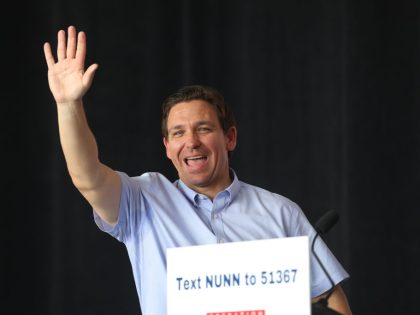
Ron DeSantis’s backers are clinging to the exact same fiction indulged by anti-Trump forces in 2016: that a singularly unconventional opponent can be defeated through blandly conventional means.
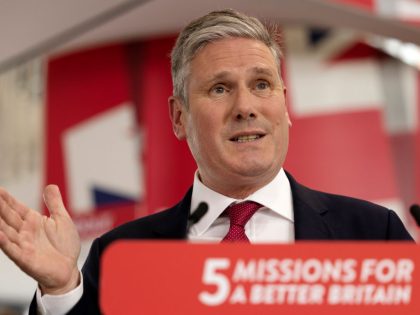
Just how far to the right is Keir Starmer willing to drag the Labour Party?
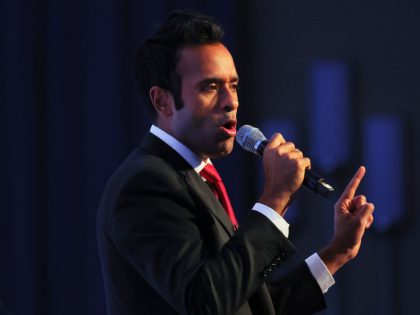
GOP presidential candidate and billionaire Vivek Ramaswamy is proposing that everyone be able to profit from our corrupt campaign fundraising system. It’s an undemocratic vision of campaign financing that insists on making the problem of money in politics worse, not better.

As climate change produces more misery and fossil fuel capitalists refuse to stop releasing carbon, we will increasingly confront the question asked by Chuck Collins in his new novel: What does moral action look like against such an immoral status quo?
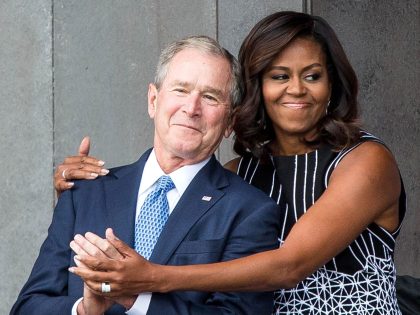
The trend of political “frenemies” uniting to debate across partisan lines isn’t indicative of a triumph of humanity over politics, but rather how much the center-right and center-left agree on stoking more inequality, war, and rewards for elites.
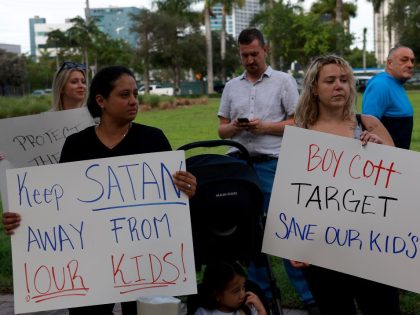
The recent success of right-wing boycotts against brands like Target and Bud Light proves yet again that profit-driven corporate actors are never going to be effective guardians of inclusion and human rights.
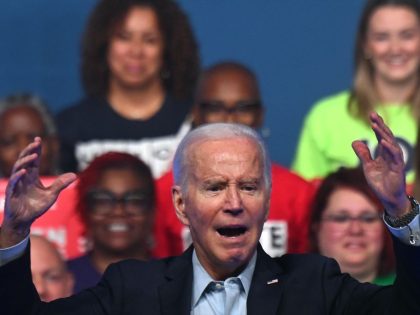
Voter shaming has never been an effective tactic, but the fact that it’s being discussed as one by the likes of Pod Save America’s hosts speaks to the increasingly post-democratic sentiments that have become common among elite liberals.
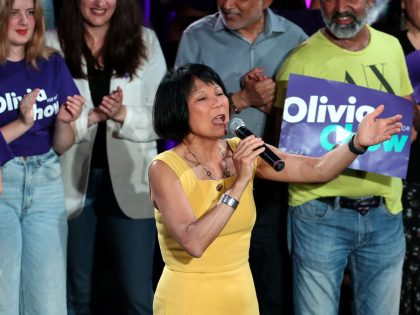
Mere months ago, the Right looked to have secured a political stranglehold on Canada’s largest city for the foreseeable future. Last night, Olivia Chow beat the odds and proved that a social democratic message can win at the municipal level.

One person, one vote? Well, if corporations are people, it only makes sense that those corporations get the right to vote.
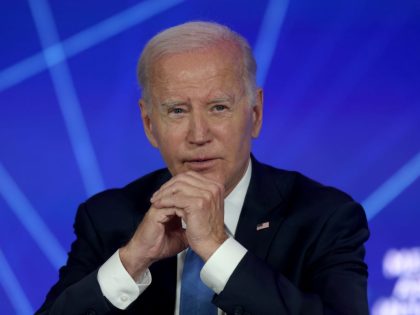
If the Supreme Court strikes down Joe Biden’s proposed student debt cancellation plan tomorrow, the president has other, smarter options to relieve student debtors.
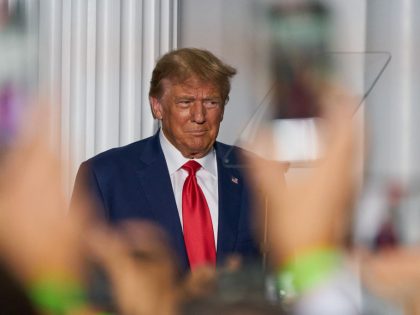
Institutions can’t stop Donald Trump — but democratic politics can.
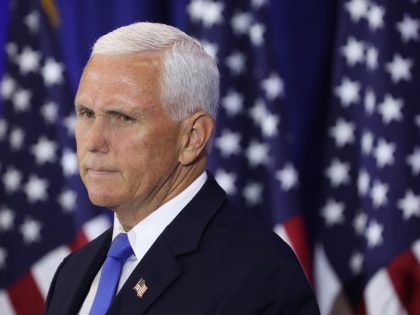
They haven’t accommodated themselves to a basic fact: the Republican Party is still the party of Donald Trump.

Under capitalism, automation destroys jobs. Under socialism, it would be an instrument of liberation.
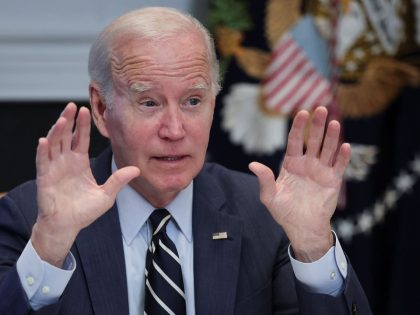
The deal that brought an end to the debt ceiling circus is not good — and Democrats didn’t have to let it become this bad.

Artificial intelligence is poised to suck the soul out of art — and make artists’ already precarious existence even worse.
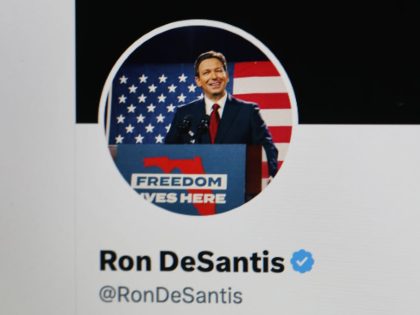
Ron DeSantis’s conservatism is by and for internet-addled right-wing media consumers so accustomed to having their eccentricities satiated and pleasure centers stimulated that they’ve become increasingly unmoored from the real world.