
The Critics Ruined “Us”
Jordan Peele's "Get Out" was a masterpiece. "Us" is a tedious drag tailored to the sensibilities of critics.
Jordan Peele's "Get Out" was a masterpiece. "Us" is a tedious drag tailored to the sensibilities of critics.

Mike Leigh had plenty of material to make an exciting and historically accurate film about the Peterloo massacre. He made a boring one instead.
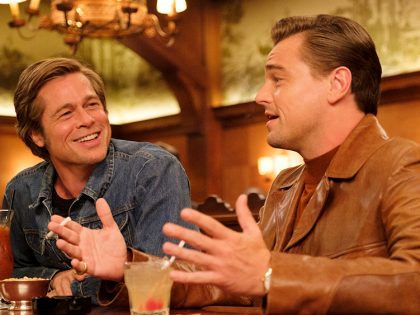
In Once Upon a Time . . . in Hollywood, Quentin Tarantino is continuing his creative endeavor of engaging popular film forms and alternate-history structures to reimagine points of terrible disturbance in our collective past.

Life in America sucks. Average people are constantly wronged and have little recourse to justice. That's why it's so satisfying to watch Keanu Reeves kick everyone's ass over and over in the John Wick movies.
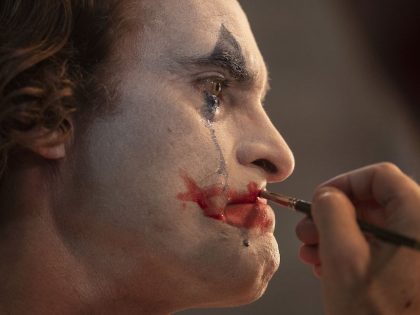
Moral panics about provocative films like 'Joker' are as old as cinema itself. But more often than not, they're just proof of a film's merit — and of a deeply anxious middle class.
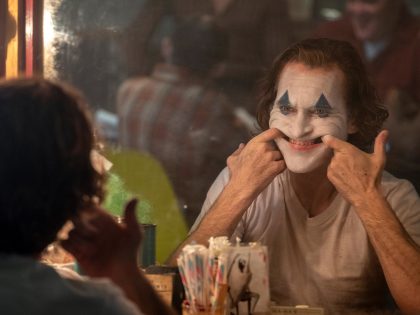
Melodrama was an ultra-popular entertainment form of the Gilded Age. It seems fitting, then, that in 2019, we have returned to the genre in Joker.
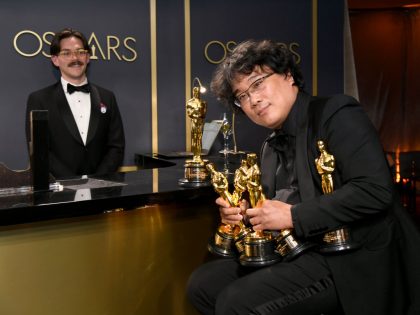
We still can’t believe the Academy, a notoriously hidebound institution, awarded four Oscars to Parasite, an explicitly anticapitalist movie. But we’ll take it.

The brilliance of Parasite doesn’t lie in any political allegory it weaves, but instead in its depiction of the cruel realities of trying to make it in a capitalist system set against you. Everyone should go see it.
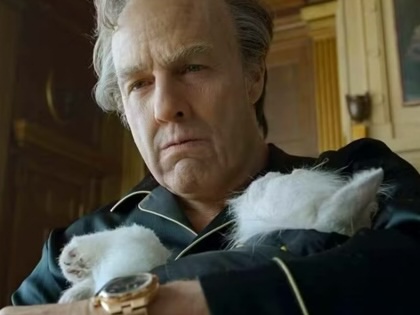
The critics savaging Alejandro González Iñárritu’s Digger are right, and so is the public who stayed home — missing a Tom Cruise movie, no less. Watch Dr. Strangelove instead.
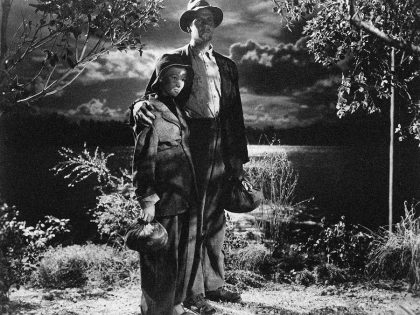
Everyone knows Frank Capra’s It’s a Wonderful Life, but it was director Preston Sturges who captured the volatile reality of success, failure, and the American dream.

Martin Scorsese’s recent comments bashing superhero movies provoked a torrent of outrage. But the real issue isn’t Marvel movies — it’s a funding model that prioritizes easy blockbusters over riskier, daring films.
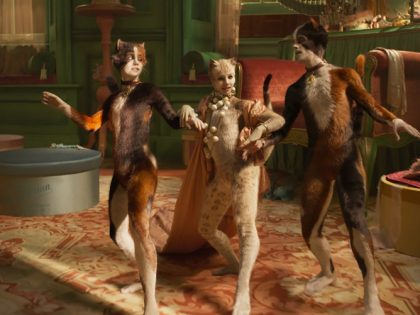
No, it’s not “so bad it’s good” — Cats is a beloved Broadway musical turned into a $100 million Hollywood freak show.
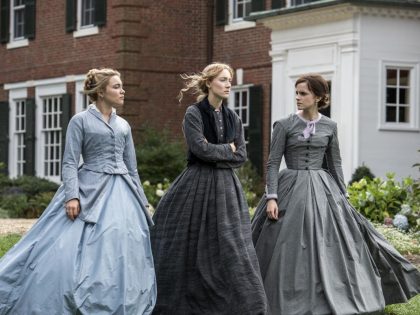
With its starchy girl-power message and Meryl Streepish prestige, Little Women is bound to be a hot contender for critics’ awards, Oscars, and Golden Globes. But don’t be fooled: it’s a bad movie.
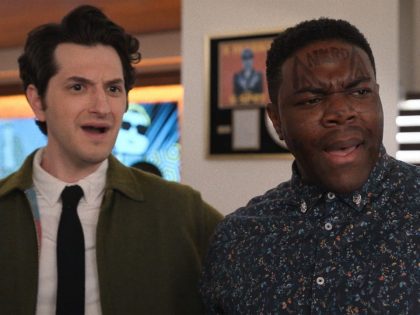
The Afterparty is just one of several new comedies about stressed-out millennials finding themselves trapped in a murder mystery. So what is it about this generation that makes them all want to star in an Agatha Christie story?

Jerry Stiller was one of those mensches from a bygone era who is almost hard to believe in now, as startling to encounter as a member of a species thought to be extinct walking into your living room.
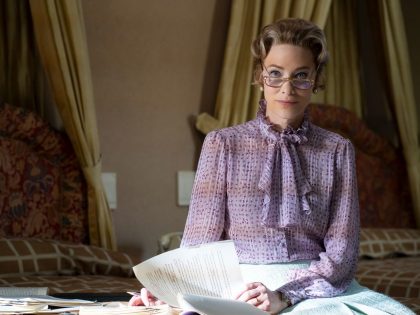
Mrs. America, the new miniseries about Phyllis Schlafly, doesn’t want us to come away with a harsh view of its subject. But we should: Schlafly’s right-wing views were consistently monstrous, doing untold damage to the country.
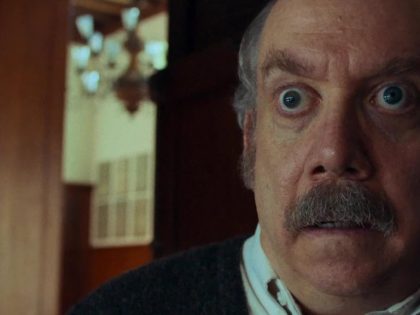
When it came to movies this year, the junk outstripped the gems. But three films rose above the muck.
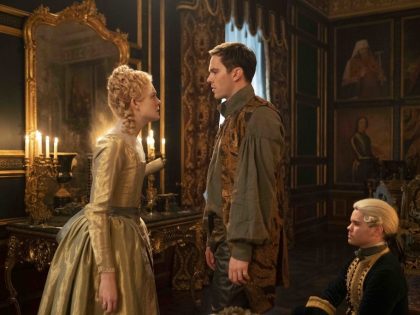
Period dramas too often treat their subject with polite reverence and slavish accuracy. Tony McNamara’s new show, The Great, flips the genre on its head, telling the story of Russia’s great Empress with all the grotesque comedy the eighteenth-century Russian court deserves.
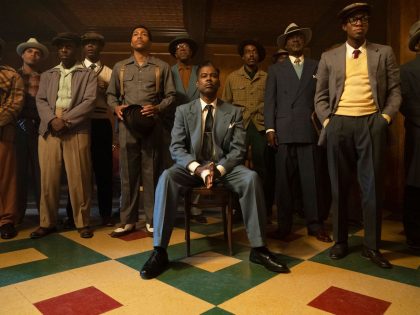
The new season of Noah Hawley’s Fargo moves the action to 1950 Kansas City. It looks at Midwestern history and culture with raucous humor, wild plotting, and a rogues' gallery of American oddballs in the best tradition of Mark Twain.
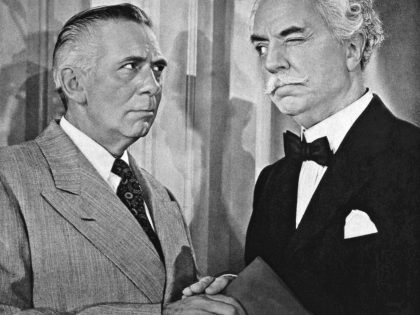
Around 1947, McCarthyism hit Hollywood, just when it was starting to make hit films about the corruption and idiocy of American electoral politics.