Never Forget What the Fascists Did
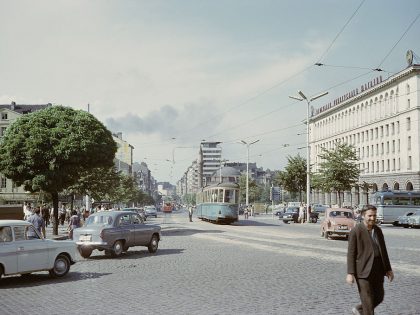
In Bulgaria, campaigns that equate Communism with Nazism aren’t about defending democracy against “Russian meddling,” they’re about rehabilitating Bulgarian fascism and its complicity in the Holocaust.
In Bulgaria, campaigns that equate Communism with Nazism aren’t about defending democracy against “Russian meddling,” they’re about rehabilitating Bulgarian fascism and its complicity in the Holocaust.

This week, 27 foreign policy experts called for a no-fly zone in Ukraine that would lead to the shooting down of Russian planes — an idea that could lead to a nuclear holocaust. Their message is being bankrolled by arms manufacturers and fossil fuel interests.
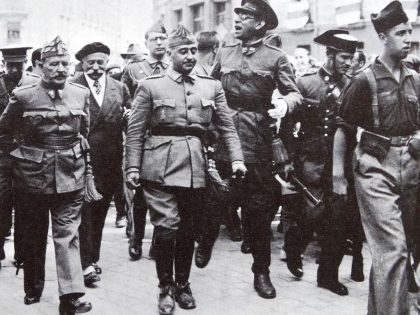
Eighty-five years ago today, Francisco Franco declared victory in the Spanish Civil War. In an interview, historian Paul Preston tells Jacobin about the decisive role that Franco’s sympathizers in the British government played in crushing Spanish democracy.
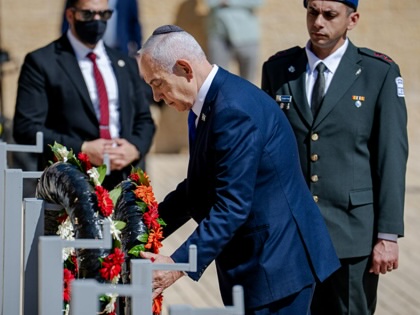
From Israel and Russia to Germany and Japan, we can find nationalists laying claim to a state of perpetual victimhood to justify present-day chauvinism. This brand of “victimhood nationalism” is becoming a powerful and pernicious force in global politics.
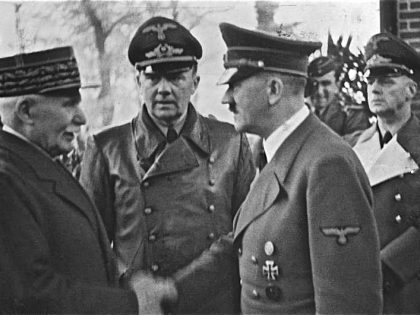
It’s eighty years today since the notorious Vichy regime took power in France under Nazi domination. Vichy-style fascism wasn’t simply a German plant on French soil — it drew on powerful reactionary currents in French politics and society.
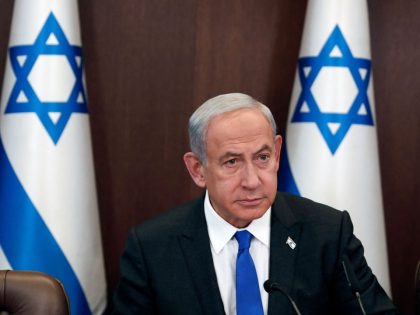
With the inauguration of Israel’s new far-right government, Zionism has finally embraced the fascist ideology that inspired major sections of the movement during its formative years a century ago.
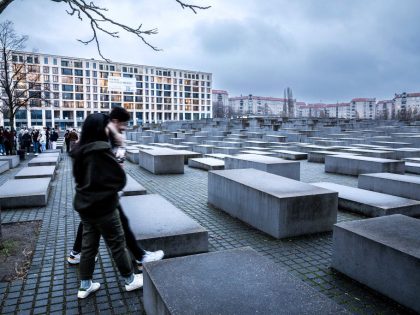
German public debate is often marked by self-congratulation at “coming to terms” with the country’s past. Yet comparisons between antisemitism and other racisms are increasingly being demonized — and it’s stifling discussion of Germany’s colonial crimes.
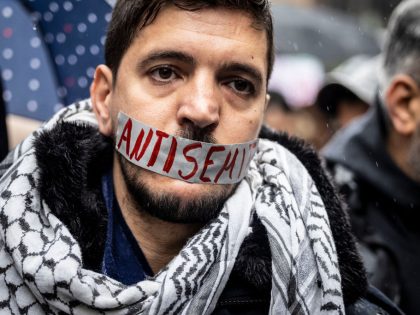
German politicians often boast of having atoned for their ancestors’ crimes — but then claim that antisemitism is an ill imported by migrants. Far from a model, German memory culture has created an exceptionalist myth that Germans understand racism best.
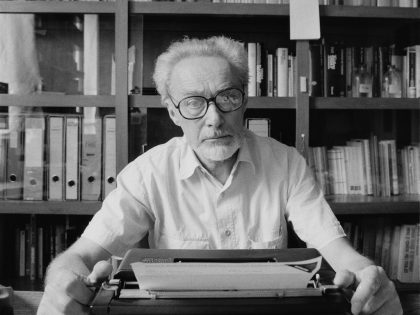
The author, anti-fascist partisan, and Nazi death camp survivor Primo Levi died on this day in 1987. His life and the cautious Enlightenment ideology he advanced in his work, Enzo Traverso writes, told the story of the twentieth century and its battles.
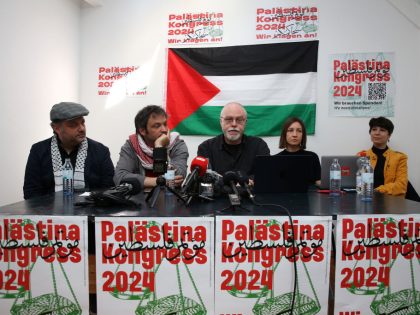
German police shut down a Palestine solidarity conference last week, the latest in a long line of repressive moves. The anti-Palestinian witch hunt is rooted in a political culture that stigmatizes left-wing radicalism while indulging the far right.
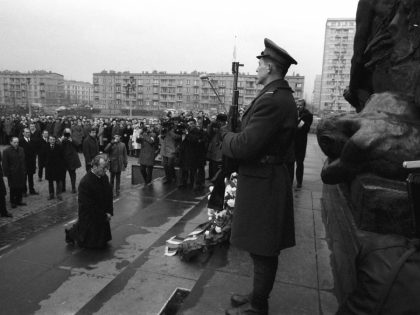
For decades after 1945, the victims of Nazism’s crimes had less of a voice in West German society than the perpetrators. Germany’s much-credited reckoning with the Nazi past was a long time coming — but most of the criminals were never brought to justice.
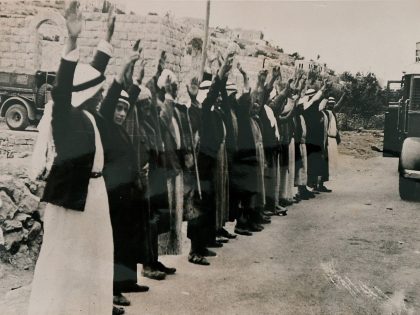
Zionism emerged in response to 19th-century European antisemitism — but its aims in Palestine drew upon Western colonial ideologies. To present the current conflict as a timeless feud denies both European responsibility and Palestine’s multiethnic history.
In Timothy Snyder’s Bloodlands, Hitler and Stalin are one and the same. And the partisans — Jewish fighters included — only encouraged German crimes.
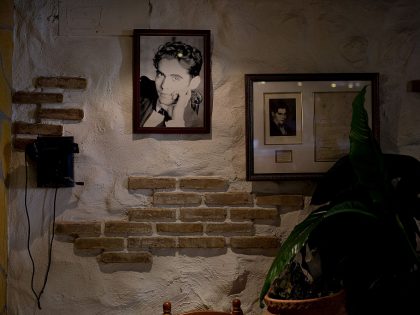
Eighty years after the end of the Spanish Civil War, tens of thousands of Franco's victims still lie in unmarked graves. Identifying the dead is a vital means of providing Spain with closure — and making sure fascism doesn't rear its head again.
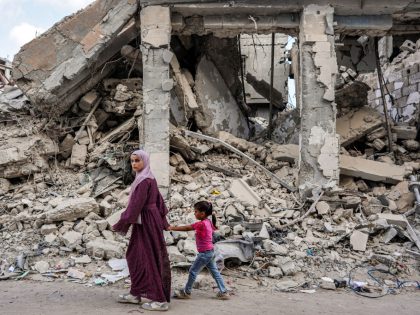
Israeli historian Amos Goldberg has been a leading critic of Israel’s war in Gaza, which he calls genocide. In an interview, he told Jacobin why the term applies — and why the international community needs to wake up to this reality.
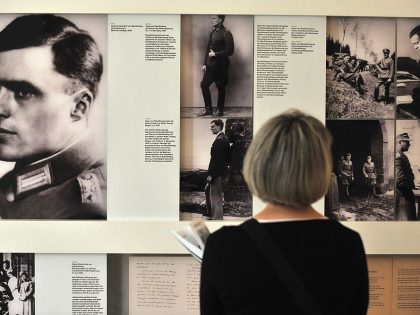
On July 20, 1944, Colonel Claus von Stauffenberg led a failed bid to assassinate Adolf Hitler. In the postwar years, the coup attempt was used to claim that Germans had never accepted Nazism — and today even the far right calls the plotters its heroes.
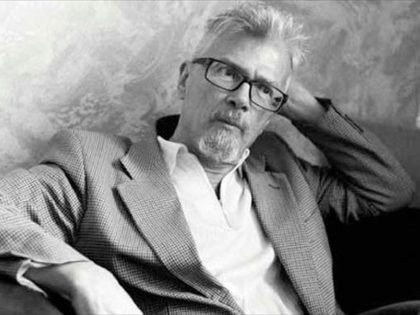
The Russian provocateur Eduard Limonov venerated “talented misfits” and claimed to offer a galvanizing cause for hopeless youths. But his politics were built on Russian revanchism — a “National Bolshevism” combining fascist imagery with a claim to restore Soviet grandeur.
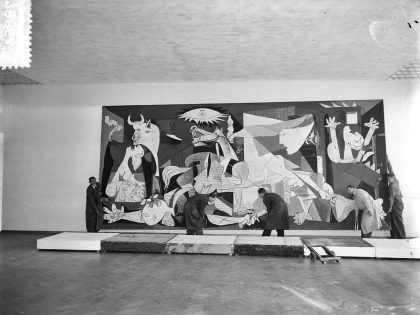
The bombing of Guernica on this day in 1937 wasn’t just part of the Spanish Civil War but a show of Nazi Germany’s military might. When antifascist journalist George Steer uncovered Germany’s responsibility, it prepared the world for the terror that followed.

Publishers love a good story. And some of the best ones are completely bogus.