Only Israel’s Palestinians Vote Against Genocide
The “most consequential election in Israel’s history” has not changed the country’s unbearably bleak outlook. But the Palestinian minority has come out in force for solidarity and justice.
Dr Matan Kaminer is an anthropologist, an activist on the Israeli radical left, and a lecturer at Queen Mary University of London.
The “most consequential election in Israel’s history” has not changed the country’s unbearably bleak outlook. But the Palestinian minority has come out in force for solidarity and justice.

Even before October 7, 2023, Gazans had been reduced to the role of a surplus population with minimal employment within Israel. Their expulsion from Israel’s capitalist economy helped to lay the groundwork for genocide.

Since Hamas’s October 7 attacks killed dozens of Thais in Israel, 8,000 of 30,000 Thai migrant workers have fled the country. Their exposure to a war in which they have no part dramatizes their insecure status as heavily exploited laborers.

Benjamin Netayahu’s newly convened government, the largest in Israeli history, is also facing the country’s greatest economic crisis in decades. As signs of public disaffection start to grow, it may try to avoid challenges to its power by provoking a violent confrontation with Palestinians.

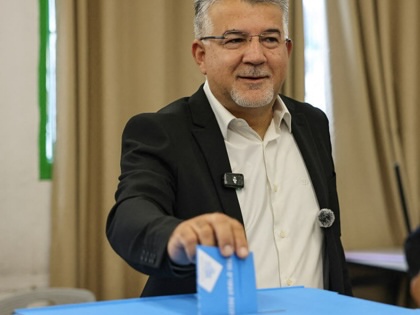
Israel’s second general election of the year has demonstrated more clearly than ever that the most important oppositional force in the country is its Palestinian minority.

Israeli Prime Minister Benjamin Netanyahu won’t be defeated in the polls on April 9. Whether he is indicted for corruption soon or not, his method of repressing Palestinian resistance is popular — and will probably outlast him in Israeli politics.
Israel has never extended democratic liberties to Palestinians. Now it is beginning to deny them to its Jewish citizens as well.
Imagining radical change in Palestine.