A Hundred Netanyahus
Israeli Prime Minister Benjamin Netanyahu won’t be defeated in the polls on April 9. Whether he is indicted for corruption soon or not, his method of repressing Palestinian resistance is popular — and will probably outlast him in Israeli politics.
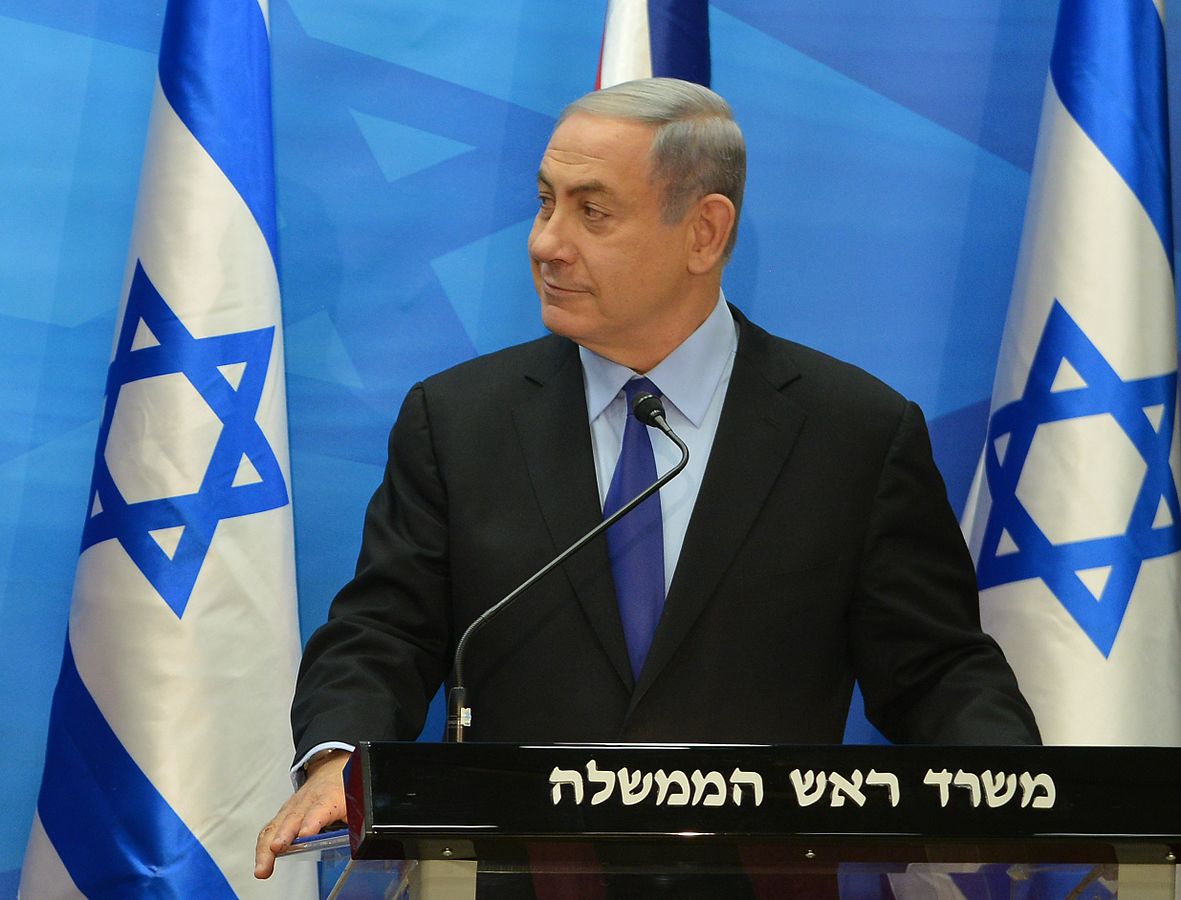
Foreign and Commonwealth Office / Wikimedia Commons
On April 9, Israel will hold elections to its parliament, the Knesset, which appoints the government. On paper, Israel’s fully proportional electoral system is quite volatile, with a whopping ten parties represented in the outgoing parliament, and some polls showing this number might go up as high as fourteen. But few of these parties differ from Prime Minister Benjamin Netanyahu on the important issues, and none seriously threaten the continuing dominance of his right-wing Likud party.
Even if Netanyahu goes to prison for the corruption offenses that the Attorney General has recently recommended he be indicted for, whoever replaces him will likely continue the same policies for as long as Palestinian resistance remains manageable and the international community indifferent.
Netanyahu was first elected to the premiership in 1996 in the wake of the assassination of Prime Minister Yitzhak Rabin of the Labor Party, who had led the Oslo peace process with the Palestinians. Despite having played a central role in the incitement which led to Rabin’s murder, in his first term Netanyahu stuck to the negotiations and was voted out in 1999 in favor of Labor’s Ehud Barak. He returned to the post in 2009 and has remained in power for the last ten years; if re-elected, in July 2019 he will break the record of the state’s founder, David Ben-Gurion, for longest time in the post.