
F1 Is a Big, Stupid Hit
Brad Pitt’s F1 is the big, dumb racing movie America’s been waiting for. If you can stomach the sports movie clichés, you’ll probably have a good time.
Page 1 of 18 Next
Eileen Jones is a film critic at Jacobin, host of the Filmsuck podcast, and author of Filmsuck, USA.
Brad Pitt’s F1 is the big, dumb racing movie America’s been waiting for. If you can stomach the sports movie clichés, you’ll probably have a good time.

The latest installment of the 28 Days Later franchise returns with more than zombies — it explores the strange new norms that follow collapse. It’s a vision of survival horror that focuses not just on the infected but on the ways humanity adapts.

Writer-director Celine Song’s Materialists follows a professional NYC matchmaker split between two charming suitors. It’s yet another attempt to update the Jane Austen formula, but without the poignancy and beauty of Song’s acclaimed Past Lives.
A Seth Rogen and Evan Goldberg satire of mainstream film’s IP problem — in which everything is an adaptation of something else — fails to excuse or address their own extensive IP crimes.

Ballerina is the female John Wick spin-off you didn’t know you needed. Ignore the critics — it’s fantastic.

Seth Rogen and Evan Goldberg mock Hollywood’s creative collapse in The Studio — while continuing to churn out sequels, reboots, and branded spin-offs.

At a time when academic and political repression is sweeping the United States, the 1942 screwball comedy The Male Animal offers a reminder of what courage in the face of crackdowns on a college campus can look like.

The excruciatingly funny Friendship finds comedian Tim Robinson pursuing a creepy bromance with Paul Rudd. It’s surprisingly well-done, using cringe humor to explore the growing phenomenon of male loneliness.

In the eighth but likely not final entry in the Mission: Impossible series, The Final Reckoning finds Tom Cruise squaring off against an AI “Entity.” As always, the stunts are impressive. But no force on Earth can make Ethan Hunt a compelling character.

A new Criterion series of McCarthy-era noir films is a timely collection for an era of rising government repression — though you wouldn’t know it from Criterion’s oddly subdued promotion.

Thunderbolts* is Marvel’s first piece of lively entertainment in years. Maybe there’s another decade of life left in the Marvel Cinematic Universe beast after all.
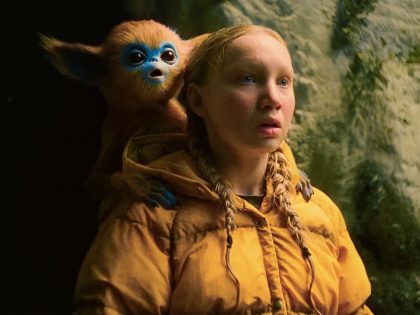
The Legend of Ochi, a new A24 family film, combines live action, CGI, and old-fashioned puppetry to charming effect.

Ryan Coogler’s vampires ’n’ blues thriller Sinners is everything Hollywood tells us the masses don’t want: Set a hundred years in the past, it’s not a sequel, reboot, or adaptation of anything. And yet it’s a smash hit with moviegoers.

Alex Garland and Ray Mendoza’s Warfare is another combat movie that promises to make war look like hell but instead makes it look like a thrilling trial by fire for young men to prove themselves.

Based on the best-selling video game of all time, A Minecraft Movie is officially a megahit. If this is Hollywood’s savior, we’re all doomed.
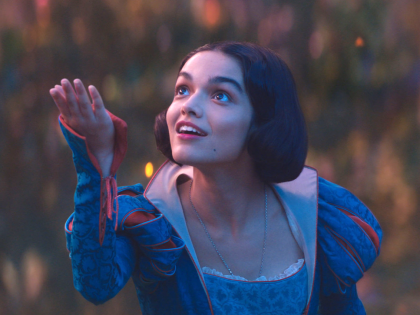
The press is blaming the young and very online actor Rachel Zegler for Snow White’s dismal box office showing. But Zegler’s performance as the original Disney princess is the only bright spot in an otherwise cynical cash grab.

It’s been a rough year for movies so far — which makes the new horror hit The Monkey an enjoyable surprise.

In the 1930s, the French realist filmmakers found a way to speak to and fight against the rising authoritarianism in their country and the world.

Black Bag is being hailed by critics as highly sophisticated cinematic fare — rather than an unambitious rush job by a talented director eager to move on to his next, similarly unsatisfying project.

Apple’s dystopian workplace thriller Severance entered its second season as a genuine cultural phenomenon. With its brutal satire of the American corporate structure, it’s easy to see why.