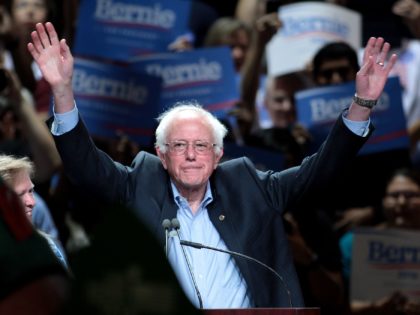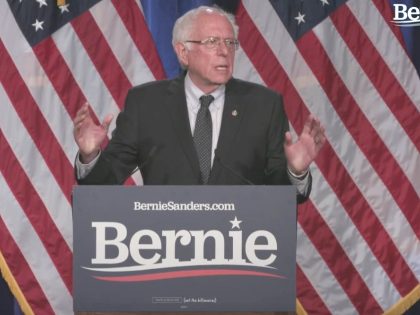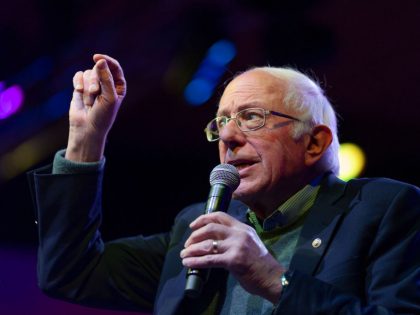
Bernie Sanders Should Be Kamala Harris’s Vice President
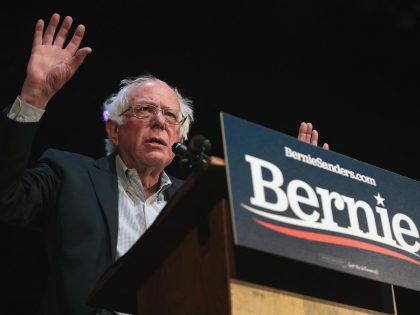
If Kamala Harris really wants to show she is ready to turn a new page in the campaign against Donald Trump, it’s obvious who her choice as running mate should be: Bernie Sanders.

If Kamala Harris really wants to show she is ready to turn a new page in the campaign against Donald Trump, it’s obvious who her choice as running mate should be: Bernie Sanders.

For decades, neoliberal Democrats have chipped away at the gains made through New Deal reforms. Bernie Sanders wants to deepen and defend those gains.

The polls are all over the place, but Bernie Sanders has a trick up his sleeve: no other candidate in the Democratic primary boasts such a deeply devoted support base. Come the general election, that deep enthusiasm for Sanders will be crucial for beating Donald Trump.

Should Bernie Sanders be the Left’s presidential candidate in 2020? Hamilton Nolan and Bhaskar Sunkara revive the great American tradition of arguing about Bernie online.

A reply to Angela Nagle and Michael Tracey.

“Electability” is the public rallying cry of the Stop Bernie campaign. But look a little closer, and the real issue becomes clear: the establishment fears having a democratic socialist in the White House.

The media used to say Bernie Sanders’s coalition was too white and male. Now that that’s so obviously not true, they should admit why they really hate Bernie — his class politics.

Bernie Sanders made the slogan “fight for that person you don’t even know” central to his 2020 campaign. Now that Sanders’s campaign is finished, we shouldn’t abandon that broad ethic of solidarity.

Bernie Sanders just unleashed the most pro-union platform in recent history. The labor movement should finally wake up and endorse him.

Bernie Sanders’s decisive victory in Nevada today shows that he has a working-class base committed to fundamentally transforming our radically unequal political and economic system. He’s on his way to not just the nomination, but the White House.
Adolph Reed on assumptions about black voters, the legacy of the Sanders campaign, and the task ahead.

As he campaigns for Kamala Harris, Bernie Sanders is laying out a progressive agenda for 2025. It’s a program that a Harris administration could conceivably get behind, but Sanders and his allies need a way to force it to do so.

For years, Bernie Sanders has been one of the few US politicians willing to publicly recognize the humanity of Palestinians. He should join the call for a permanent cease-fire in the war on Gaza.

Some commentators have criticized Bernie Sanders for not going far enough on Palestine. But his denunciation of Israeli land grabs in the West Bank, plus his agenda for transformative policies at home, constituted the most meaningful challenge to the status quo of US-backed Israeli colonialism.

Bernie Sanders is prepared to fight to win $2,000 survival checks for all. While Senate Democrats were prepared to do nothing to challenge Mitch McConnell, Sanders is pledging to filibuster a Pentagon veto override to provide real help for millions of Americans struggling to survive.

The Democratic Party elite insists nothing can be done to mobilize working-class nonvoters. By challenging their cynicism, Bernie Sanders is rendering a profound service to American democracy.

Polls show that many older Americans don’t support Bernie Sanders. But we don’t want to write those boomers off — we want to warmly invite them to join our movement that’s fighting for dignified lives for us, for them, and for their children and grandchildren.

Bernie Sanders’s recent comments on open borders played into a right-wing trap. But his strong record on immigration suggests he can advance a program for immigrant rights that sees immigrants as key players in winning a society for the many, not the few.

As long as the upper middle class exists, it’s going to be at best ambivalent about our program.

If we're going to revive the labor movement, we need a strategy that's rooted in socialist principles but flexible enough to adjust to changing conditions in the US workforce.