What to Do When Your Union Contract Is Voted Down
The answer to union contracts being voted down is not for organizers to lower workers’ expectations. It’s to seize that vote as an opportunity to organize those expectations into collective power.
Chris Brooks is a veteran labor organizer and strategist focused on building militant, member-led unions. He is a columnist at Jacobin.

The answer to union contracts being voted down is not for organizers to lower workers’ expectations. It’s to seize that vote as an opportunity to organize those expectations into collective power.

A new study reveals that employers are spending big to maintain their dictatorial control over the workplace and crush unions. It’s a daunting amount of money, but it’s not impossible to overcome if workers can act with clarity, unity, and strategy.

Outgoing Massachusetts Teachers Association president Max Page reflects on a decade of rank-and-file reformers turning a cautious, staff-driven union into a militant, member-led force by striking, winning stronger contracts, and pushing to tax the rich.

A California logistics worker allegedly burned down a 1.2-million-square-foot warehouse in anger over low pay. The billionaire class may have to learn the hard way: you can only pack so much pressure into a deeply unequal system before it blows.

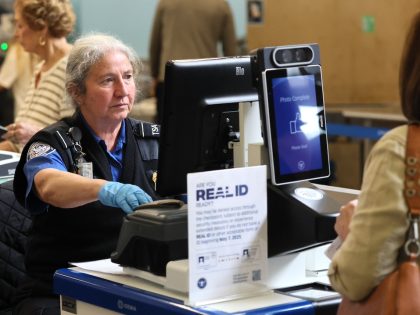
TSA agents across the country are engaged in guerrilla organizing: an illegal, partial wildcat strike in protest of the government shutdown that has left them working for weeks on end without pay.

If unions are serious about reversing their decline, then shorter, smaller, faster first contracts might be what is needed to scale.

If the labor movement hopes to survive, it must find ways to organize in the private sector at scale. The UAW’s national push to organize higher ed, and its recent union drives at Volkswagen and Mercedes, offer potential guidance on the way forward.

The labor movement isn’t just the weakest it’s been in a century. Without a radical and aggressive shift in organizing, US unions could effectively cease to matter in the very near future.

After over 500 days of bargaining, the United Auto Workers have reached a first contract with Volkswagen in Chattanooga, Tennessee — a major breakthrough for unions in the South that lays the ground for further inroads at other employers across the region.

Chris Brooks, former chief of staff to United Auto Workers president Shawn Fain, was key to an attempt to transform a once mighty union hobbled by corruption and lethargy. Here’s what he learned from that process.

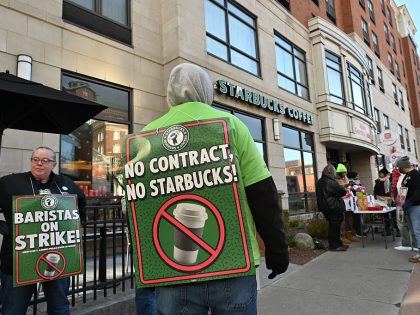
Amazon and Starbucks workers have upended the old common sense for how to organize unions. Union leaders need to retool their organizing tactics to fit a moment when workers are leading the way.

Many states are racing to reopen their economies, even though the daily number of new confirmed coronavirus cases is holding steady nationwide. Without a comprehensive nationwide plan, if workers go back to their jobs now, we will likely see more cases — and more deaths.

In a new interview, Noam Chomsky gives his thoughts on the coronavirus pandemic, the depravities of capitalism, and the urgent need for a new era of solidarity and labor struggle.

The United Auto Workers has devolved into a stagnant, often corrupt union. It’s in desperate need of a democratic rejuvenation.

In their new contract with automaker Ford, the United Auto Workers agreed to new surveillance measures that could be used to exert greater management control over workers, drilling them on how they spend every second. No union should let the boss play Big Brother this way.

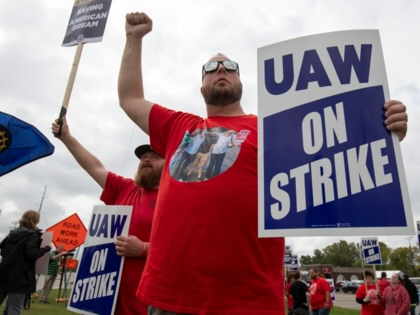
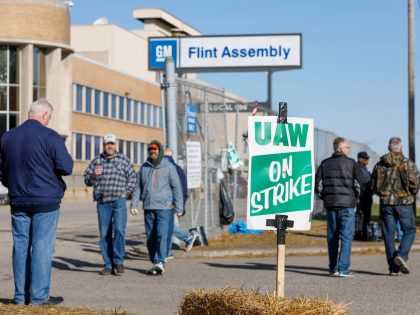
As the GM strike enters its second week, workers are upping the pressure on the company and its scabs — and the costs to GM are mounting.

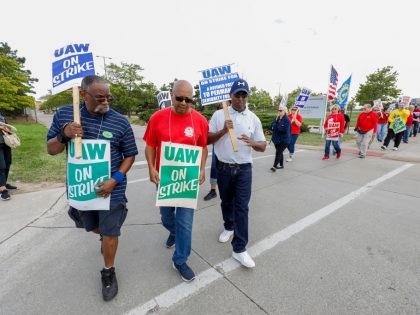
Almost 50,000 UAW workers are on strike against GM and a two-tier labor system that undermines worker solidarity. But members may need to wage a battle on two fronts — against the company, but also against their own union leadership.

The UAW based its campaign to unionize Volkswagen around the German labor movement’s “social partnership” model. It was the wrong approach — and ended in disaster.

The UAW’s continued defeats in the South are not a reflection of the workers who live there — but the result of anti-union smear campaigns and the union’s shallow organizing approach.

The nurses union-backed Question 1 would have established safe nurse-to-patient staffing ratios in Massachusetts — which is exactly why a hospital lobby group spent more than $30 million against it.