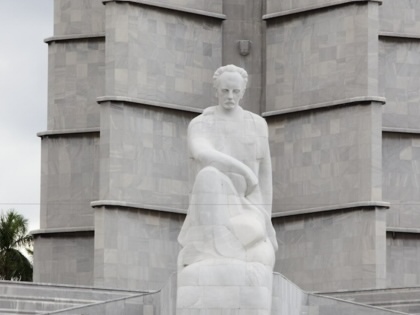
José Martí Saw American Empire Coming
Long before Fidel Castro, José Martí warned that Cuban independence would mean little if US domination replaced Spanish rule.
Antoni Kapcia is professor of Latin American history at the University of Nottingham’s Centre for Research on Cuba. His works include Leadership in the Cuban Revolution: The Unseen Story, A Short History of Revolutionary Cuba: Revolution, Power, Authority and the State from 1959 to the Present Day and Cuba in Revolution: A History Since the Fifties.
Long before Fidel Castro, José Martí warned that Cuban independence would mean little if US domination replaced Spanish rule.
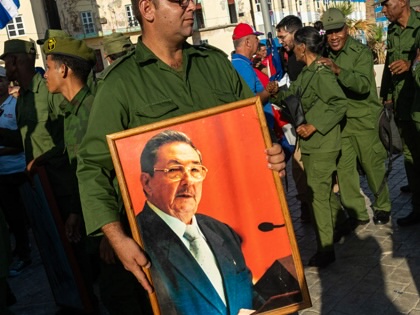
Trump’s latest moves against Cuba show that Washington has never accepted the island’s defiance of US power. Now is the time for solidarity with the Cuban people.
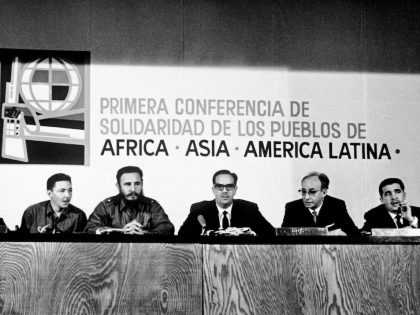
Sixty years ago, delegates from all over the world gathered in Havana for the Tricontinental Conference, forging ties of solidarity and resistance. The anniversary came last month, just as the US stepped up its aggressive campaign against Cuba.
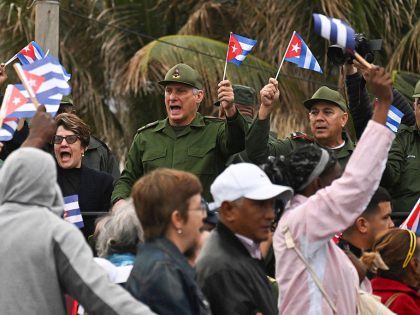
Cuba has been living in the shadow of US threats and blackmail ever since the revolution of 1959. But Donald Trump’s nakedly imperialist power grab in the Americas represents one of the most serious dangers its people have faced in all that time.
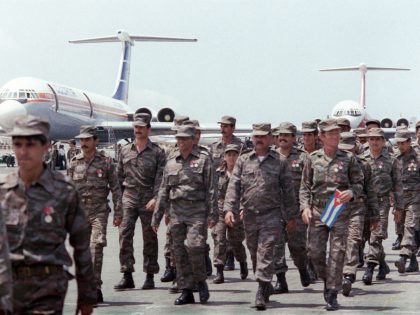
When Angola gained independence in 1975, the Cuban military came to the new government’s defense. The mission had global reverberations, from hastening the fall of South African apartheid to reshaping Cubans’ own identity and worldview.
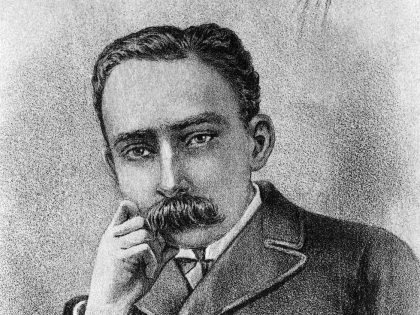
José Martí spent much of his short life outside Cuba, preparing a struggle to liberate his country from Spanish colonialism. The ideas and example of Martí would inspire a second struggle against US neocolonial domination after his death.
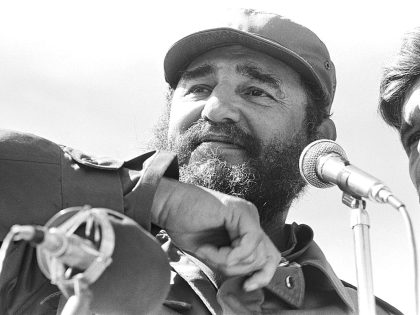
Cold War stereotypes presented Cuba under Fidel Castro as a Soviet satellite in the Caribbean. But a closer look at Havana’s relations with the Eastern Bloc shows that its leaders were far more independent than such conventional wisdom would suggest.
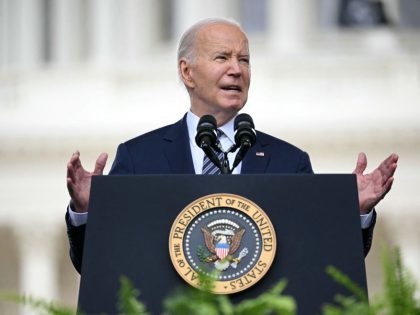
When Joe Biden became US president, many Cubans hoped he would loosen some of the restrictions on trade and travel imposed by Donald Trump. But Biden has increased the pressure on Cuba, greatly worsening the island’s economic difficulties.
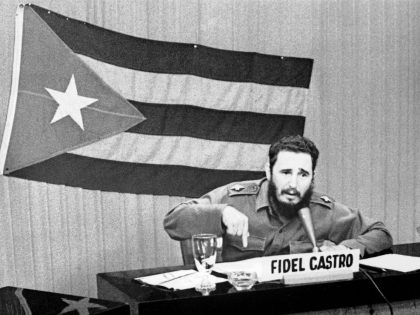
Sixty years ago, the world seemed on the brink of nuclear war before the superpowers reached an agreement. The missile crisis led Cuba’s leaders to distrust their Soviet ally — an attitude that ultimately helped their revolutionary system to outlast the USSR’s.
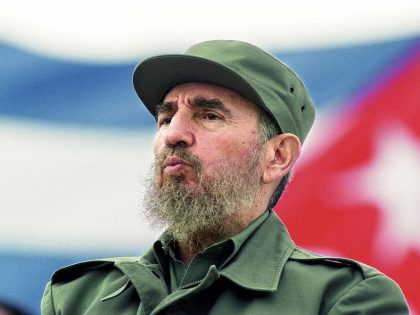
Cuba is facing a new set of challenges as a post-Castro leadership confronts the pandemic and its economic fallout. But Cuban socialism has repeatedly shown its capacity for survival and adaptation since the revolution of 1959.
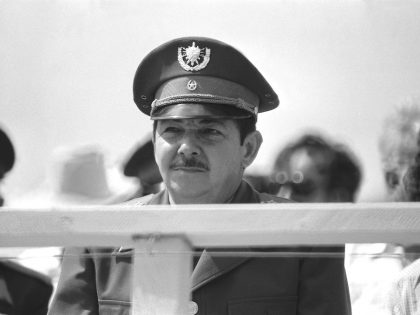
Throughout his career, two misleading stereotypes distorted our view of Raúl Castro. He was neither a pale shadow of his brother, nor a one-dimensional pro-Soviet ideologue, but a major historical figure who played a key role in shaping the Cuban system and then reforming it.