Abortion Under Siege
The Right’s virulent anti-abortion rhetoric created the environment that led to the Planned Parenthood attack.
The Right’s virulent anti-abortion rhetoric created the environment that led to the Planned Parenthood attack.
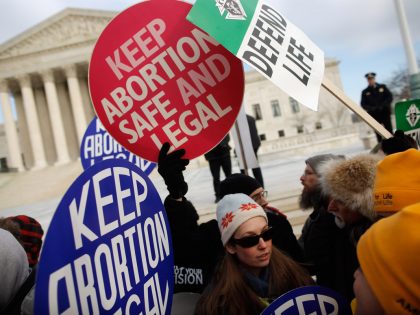
Abortion isn’t a “cultural” issue. The production of children, and who will pay for it, is a key economic battlefront.
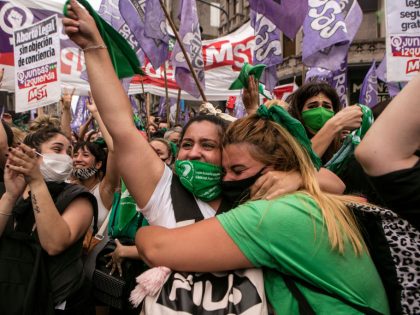
After its lower house of Congress voted yes earlier this month, Argentina’s upper house will vote tomorrow on legalizing abortion. The campaign could not have arrived at this point without years of mass feminist organizing in the streets.
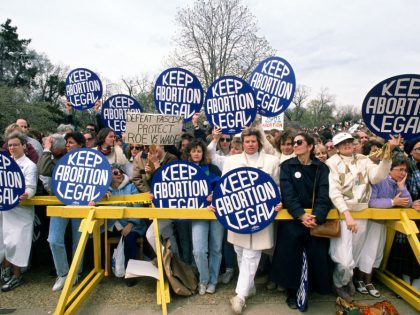
Abortion activists had to defend Roe when reproductive rights hung in the balance of its defense. But it was always a weak foundation for those rights. We shouldn’t want Roe back — we should demand much, much more.
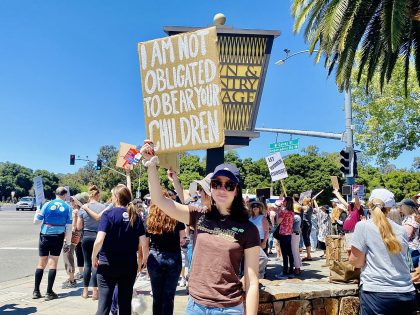
In the labor movement, we are only as strong as the weakest among us. Revoking the right to abortion undercuts much of the workforce’s bargaining power — which means reproductive freedom is a cause the entire labor movement must champion.
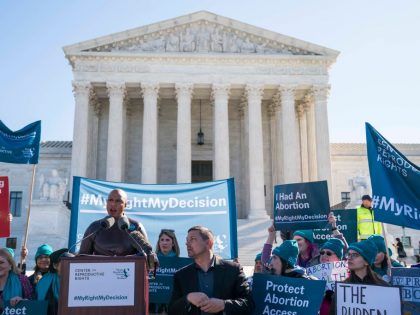
The Supreme Court’s abortion rights decision yesterday provides a brief respite to women across the South. But we’re still playing defense in the courts. Our offensive should be in the streets.
A proposed abortion ban in Poland would subject women to surveillance, criminalization, and even more economic hardship.

After overturning Roe v. Wade last year, conservatives are now chipping away at abortion access at the state level. At the helm is a dark money network led by right-wing activists, which has so far spent $18 million on opposing reproductive justice in Ohio.
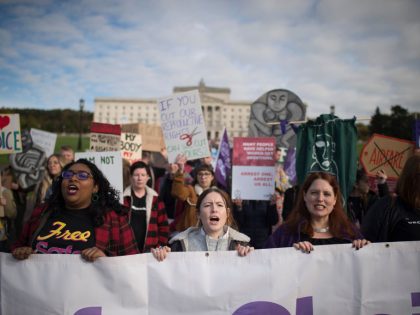
Coming hot on the heels of Dublin’s repeal of anti-abortion laws, decriminalization in the North is a decisive victory for Irish feminists. The church and the state are losing their control over our bodies — but we still need to make abortion legal, safe, and free.
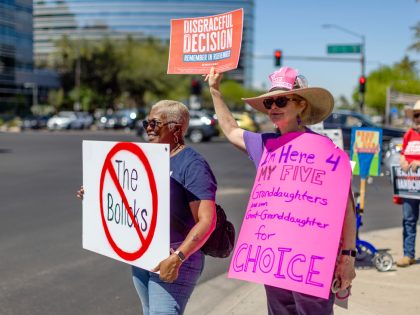
A deciding vote to repeal Arizona’s draconian abortion ban could fall to a lawmaker who is heavily influenced by a deep-pocketed anti-choice group — one instance of many conflicts of interest in state supreme courts.
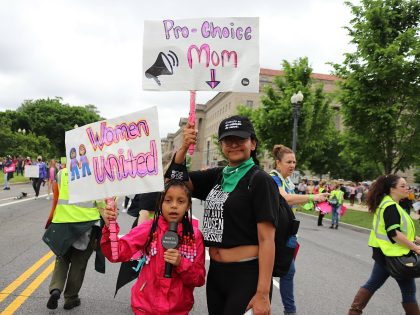
Leonard Leo’s massive conservative dark money network is quietly working behind the scenes to try to eliminate abortion protections at the state level.
Yesterday's Supreme Court ruling was a win for reproductive rights. But the fight continues for unrestricted access to abortion.
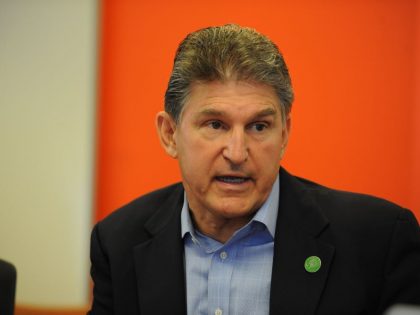
Anti-abortion forces can’t win by democratic means, so they are campaigning to protect the filibuster and crush voting rights — and Democrats may be content to let them win.
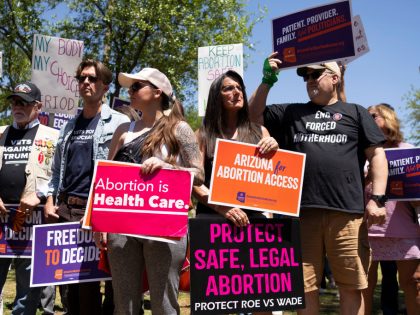
Citizen-driven ballot initiatives are a powerful tool in the fight against abortion bans like the one threatening Arizona. State governments can’t be trusted to execute the popular will. We’ll have to do it ourselves.
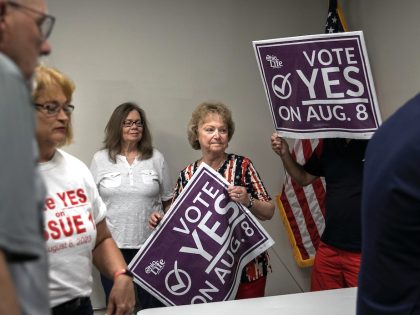
Ohio’s Issue 1 was about preventing a popular decision on abortion rights in the short term and undercutting majority influence over policymaking in the long term. Its failure is a win for democracy — but it’s part of a larger campaign that isn’t over yet.
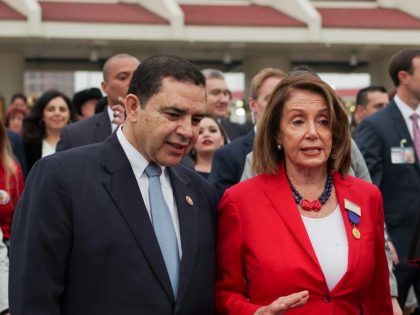
Even in the wake of news that Roe v. Wade may be overturned, the Democratic leadership is backing right-wing Texas representative Henry Cuellar against his primary opponent, Jessica Cisneros, a Berniecrat who favors abortion rights.
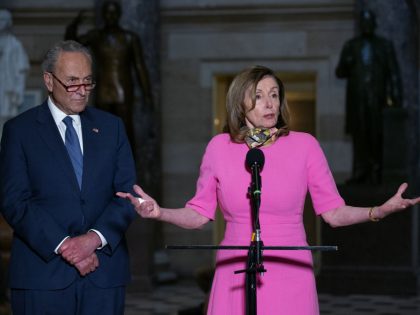
Democrats promised legislation to codify Roe v. Wade and preempt the Texas anti-abortion law, but they’ve chosen to leave it sitting with a congressional panel. The inaction of Democrats is unacceptable.
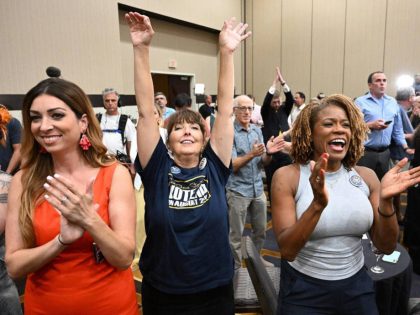
The resounding defeat of a ballot initiative to strip abortion rights from the Kansas state constitution is a reminder that we don’t need to rely on benevolent philosopher-kings in black robes to protect our rights. We can mobilize popular majorities.
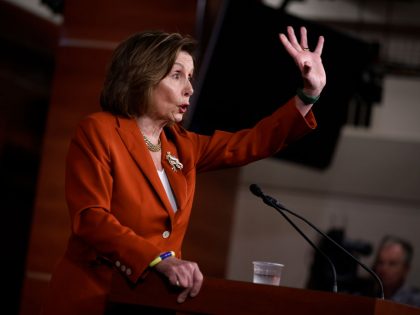
The Democratic National Committee is running ads in several states suggesting that the GOP is trying to overturn Roe v. Wade and pass a national abortion ban — bafflingly ignoring that Roe has already been reversed and many states already have abortion bans.
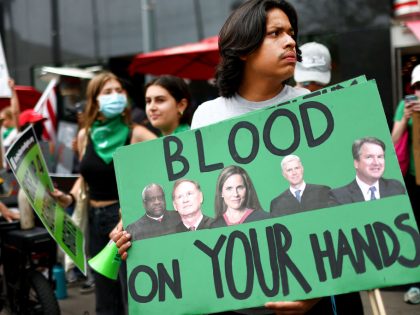
Just months after Roe v. Wade was overturned, conservative antiabortion activists have now petitioned the Supreme Court to take on a case that would establish “fetal personhood” nationwide — potentially producing a federal ban on abortion.