
I Want My BBC
British television has increasingly become an arm of the Conservative Party — yet many on the Left nostalgically remember an earlier, more open media landscape. Was the BBC ever ours?
British television has increasingly become an arm of the Conservative Party — yet many on the Left nostalgically remember an earlier, more open media landscape. Was the BBC ever ours?
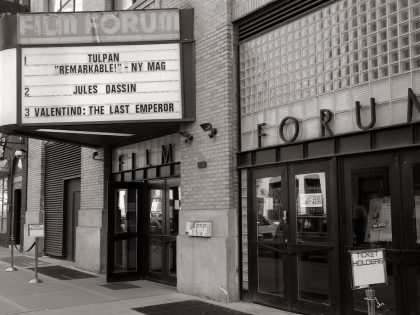
Going to the movies feels fundamentally different from simply streaming videos: it's a collective experience, and often inspires discussion and argument. In 2021, when the pandemic finally recedes, we should build socialist film clubs.
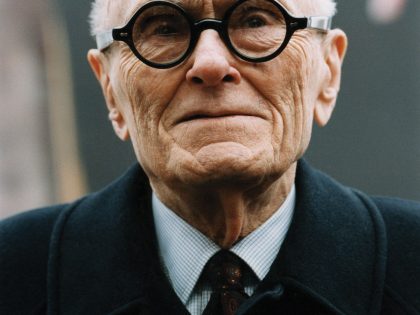
The architect Philip Johnson had some good qualities. He was also talentless, a fascist, and a liar.
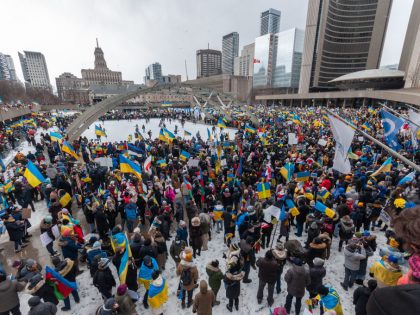
Socialists’ first task in Vladimir Putin’s appalling war on Ukraine: provide unconditional solidarity with its victims.

In the twentieth century, socialists and communists used municipal power in Paris to build some of Europe's most ambitious social housing projects — housing that was not only beautiful but made for and by the city's working class.

In the 1920s and ’30s, German publisher Willi Münzenberg built a network of magazines, newspapers, and film studios that terrified big business interests. It became the largest left-wing media operation in history.
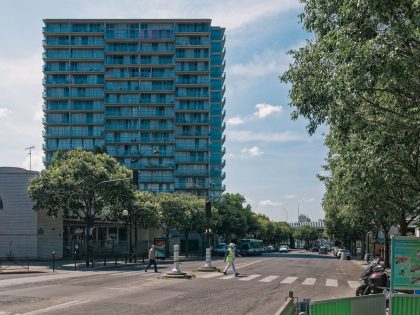
This year's Pritzker Prize, the highest award in architecture, went to French architects who rejected the demolition of public housing. Instead, the architects insisted on renovating and expanding public units to make working-class residents' homes more modern, humane, and attractive.
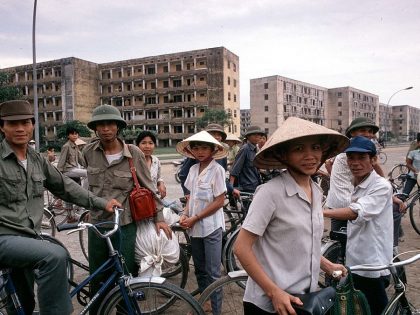
During the Vietnam War, the city of Vinh was almost destroyed by US bombing. Socialists around the world helped rebuild it. Today, Vinh's architecture stands as a monument to that internationalist solidarity.
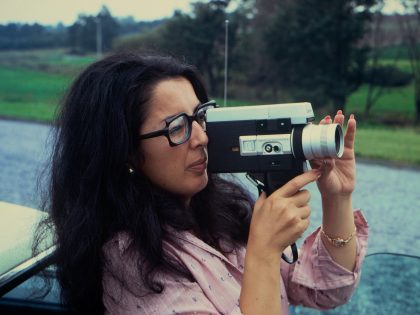
Svetlana Kana Radević was one of the great architects of socialist Yugoslavia — her emphasis on public space showed what architecture can achieve when liberated from the constraints of the property market.
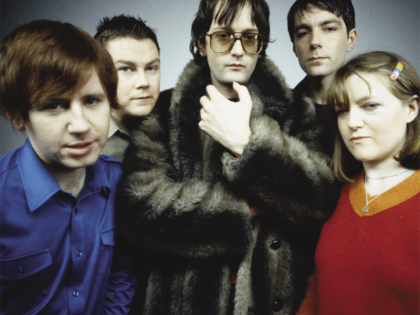
Pulp’s 1995 hit “Common People” isn’t just a Britpop classic — it’s a more honest and brutal analysis of class than you’ll hear in the media today.
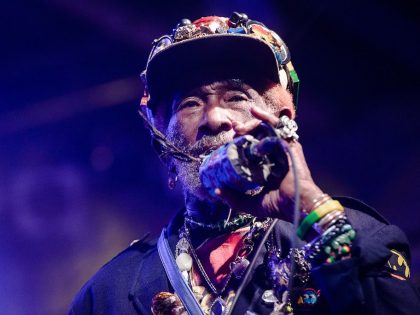
Lee “Scratch” Perry, who died last week at the age of 85, wasn’t just a sonic genius — he was also a politicized producer whose work was full of demands for justice.
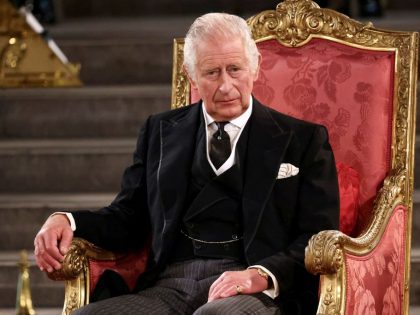
For many years, Charles Windsor has foisted his opinions about urban design on the British public. The bizarre projects that the new monarch has sponsored, from Dorset to Transylvania, speak volumes about his cloistered and conservative worldview.

To solve the housing crisis, we may have to go back to the future.
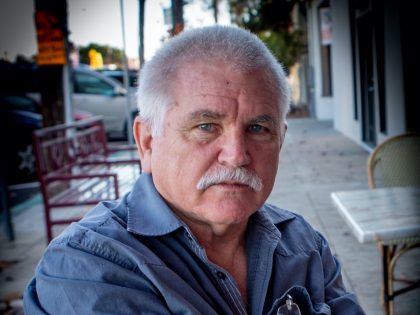
Mike Davis forced himself to look at the very worst of our society and world. What he found wasn’t pretty. Yet he never abandoned the search for seeds of positive change — and for socialism.
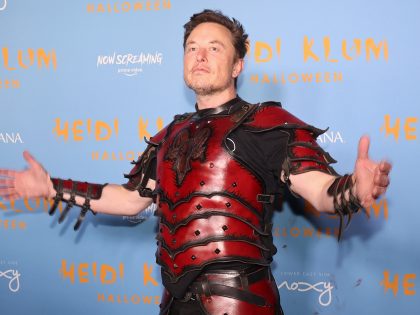
For all its problems, Twitter served as a public town square — and now, Elon Musk seems determined to drive it into the ground. It’s past time to build a democratic, noncommodified alternative.

British politics have become a strange form of World War II cosplay, where the European Union are the Nazis, 1945 is a betrayal, and Boris Johnson is the newWinston Churchill.
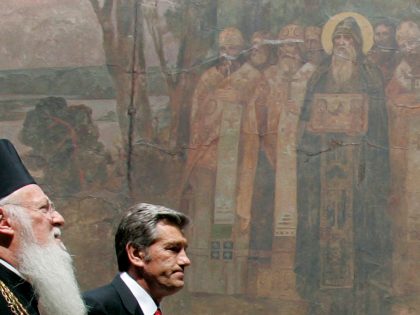
The borders of Ukraine are no more arbitrary than those of Poland, Greece, Italy, or Germany.
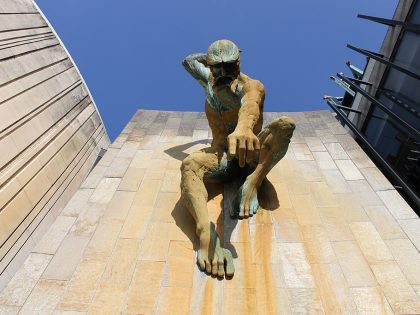
In light of the failures of mainstream politics across the board, socialist writer Alex Niven wants to inject a sense of hope back into contemporary life. A champion of the North of England, he believes that literature can help.
David Cronenberg’s first three films track the progress of epidemics “from the perspective of the disease.” What they reveal is a North American society already on the brink of disaster.

If Iraqi architecture is known abroad today, it’s for Saddam Hussein’s grandiose palaces and monuments. But the master plan of Baghdad, developed amid the Cold War by a Polish state agency, was far from a centralized and authoritarian vision for the city.