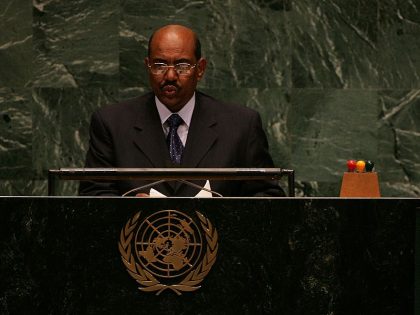
The Fall of Sudan’s “Morsisi”
The Sudanese people just toppled their longtime autocratic leader, Omar al-Bashir. It's a confirmation that the revolutionary ferment of the Arab Spring didn't die out in 2011.
Gilbert Achcar is an emeritus professor at SOAS, University of London. His most recent books are The New Cold War: The United States, Russia and China From Kosovo to Ukraine and Gaza Catastrophe: The Genocide in World-Historical Perspective.
The Sudanese people just toppled their longtime autocratic leader, Omar al-Bashir. It's a confirmation that the revolutionary ferment of the Arab Spring didn't die out in 2011.
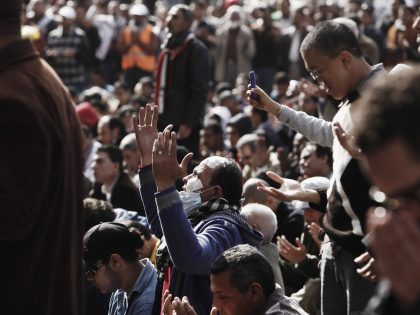
Through butchery and sectarianism, the autocracies of the Arab world have survived this round. But in the long run, any order dependent on murder and bloodshed is doomed to collapse.
Today's reactionaries don't seem to be interested in a new world war, but in a clash between North and South, rich and poor.
Both the Syrian regime and the Saudi-led campaign in Yemen aim to bury the aspirations of the Arab Spring.
It's been five years since the start of the Tunisian uprising. What was won — and what remains — in the Arab Spring?
The discourse of war is already upon us. But it must be resisted.