
We Need More Radical Climate Fiction
Literature has seen an uptick in "cli-fi," fiction about possible climate dystopias and utopias. But too much of that climate-change-related fiction lacks any kind of radical political imagination.
Literature has seen an uptick in "cli-fi," fiction about possible climate dystopias and utopias. But too much of that climate-change-related fiction lacks any kind of radical political imagination.
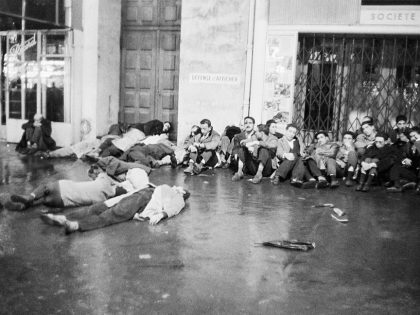
Sixty years ago today, French police under the command of a former Nazi collaborator massacred anti-imperialist Algerian demonstrators. For decades, the French authorities concealed the evidence of one of the worst atrocities in postwar Europe.
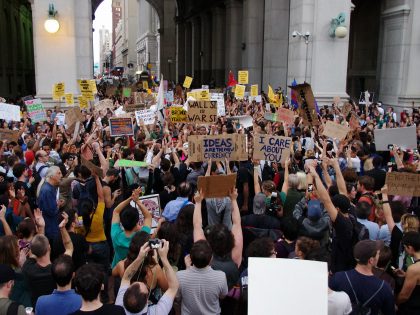
It’s still difficult organizing as a socialist in the United States. But in the last decade since Occupy Wall Street, there are signs more people are open to egalitarian politics.
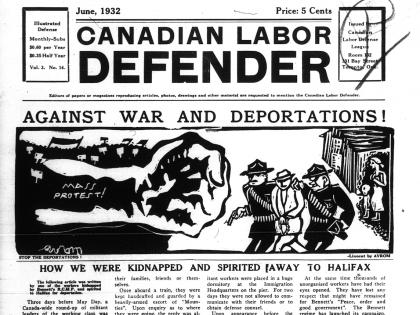
A half century before punk claimed ownership of zine culture, socialists and communists were radicalizing working-class culture through small publications. In Canada, during the turmoil of the Depression, print media was integral to the survival of the Left.

The new James Bond movie, No Time To Die, is so disappointing that I don’t see how the iconic franchise can be reformed simply by creating a more woke 007.

Starbucks portrays itself as a “community of partners,” not an average workplace. But now that workers are organizing a union drive in Buffalo, that warm and fuzzy rhetoric has vanished, replaced by coercion and union-busting.
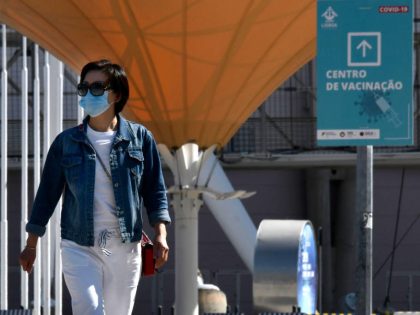
Portugal has the world's highest COVID-19 vaccination rate, with 85 percent of the population fully vaccinated. Its success drew on a strong public information campaign — but it couldn’t have done it without a free national health care system that has won massive popular trust.
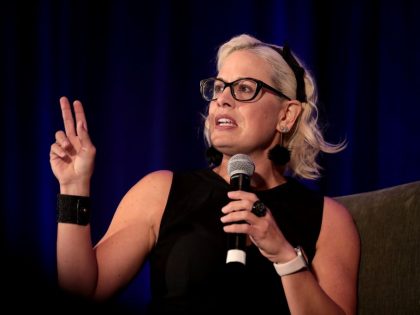
Kyrsten Sinema could block Democrats’ drug pricing negotiation plan — which may be why pharmaceutical interests are donating big money to her.

The Pentagon’s bloated budget is a colossal waste of resources that could be better used elsewhere. But it’s also an outrage to democracy.
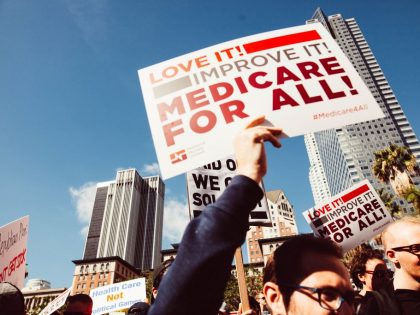
Unfortunately, any hope for a national Medicare for All is currently off the table. That’s why organizers throughout the country should launch campaigns at the state level to win M4A.
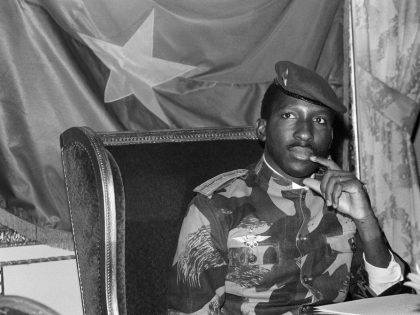
Burkina Faso revolutionary leader Thomas Sankara was murdered on this day in 1987. Joséphine Ouédraogo recounts her time as a minister in his government — and their final meeting before he was ousted in a bloody coup d’état.
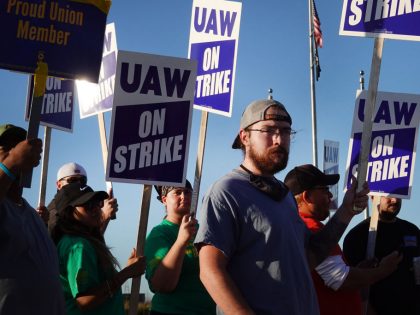
Across the US, a more militant mood among workers is beginning to make itself felt. An uptick in private-sector strikes and record numbers of workers quitting their jobs are just two signs that the pandemic has changed workers’ willingness to accept a bad deal.