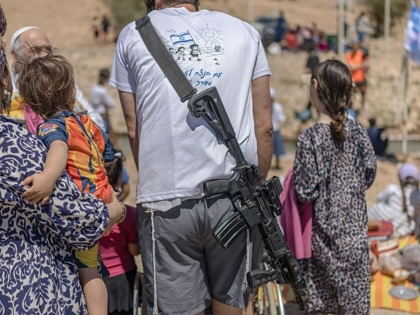
A New Israeli Government Won’t Stop the Settlements
Israel’s election on Tuesday is the first since October 7, 2023. Even if Benjamin Netanyahu’s government loses, it’s unlikely to lead to a real shift in Israeli policy.
Elias Feroz is a freelance writer. Among other things, his focuses include racism, antisemitism, and Islamophobia, as well as the politics and culture of remembrance.
Israel’s election on Tuesday is the first since October 7, 2023. Even if Benjamin Netanyahu’s government loses, it’s unlikely to lead to a real shift in Israeli policy.

Widely regarded as one of the pioneers of comics journalism, Joe Sacco has focused his work heavily on Palestine. He spoke to Jacobin about the West’s complicity in Israel’s crimes and why it’s journalists’ job to talk about it.
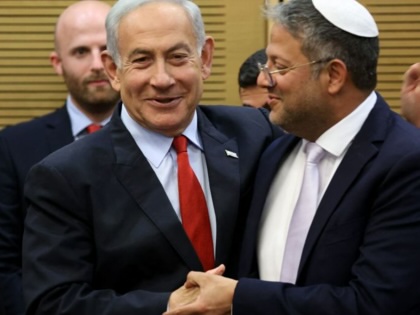
Leading historian Omer Bartov has called Israel’s crimes in Gaza a genocide. In an interview, he explains that Zionist radicalization is rooted not just in recent events but also in fundamental choices made when Israel was created.

Even as Israel attacks Iran and Lebanon, it is also intensifying ethnic cleansing of Palestinians. The military and settler militias are using a crisis Israel created as cover for its illegal takeover of the West Bank.

Jerusalem-based historian Lee Mordechai has spent the last two years documenting Israeli violence against civilians in Gaza. In an interview, he explains why the genocide has continued even after the supposed ceasefire.

Monuments, museums, and cultural institutions were often created in the image of “militarist realism,” presenting colonialism and enslavement as eternal. Undoing this legacy is not erasing the past but combating a pernicious ideology.

Palestinian journalist Plestia Alaqad has been a leading witness of the genocide in Gaza. In an interview with Jacobin, she explains how Western media misrepresentations have enabled Israel’s crimes.
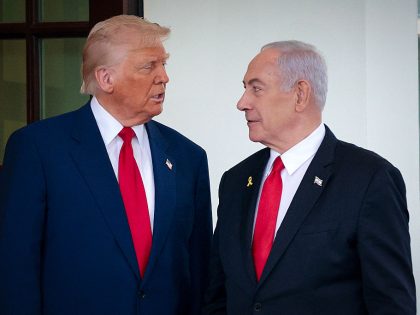
In defending and arming Israel over the last two years, Western governments have shown the hollowness of international law. The genocide will be remembered as a decisive moment in the collapse of liberalism.
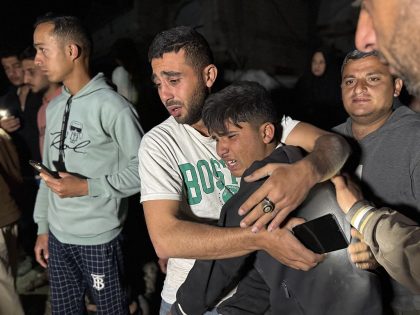
Historian Omer Bartov spoke to Jacobin about why scholars of the Holocaust are struggling to talk frankly about Israel’s genocide in Gaza.

In the 1980s, German institutions began to seriously confront their country’s past. For historian Enzo Traverso, German reactions to the destruction of Gaza show that they failed to draw the right lessons.

Palestinian human rights lawyer Munir Nuseibah explains what this summer’s International Court of Justice ruling against Israel over its occupation of Palestine means for the future of Palestinians.
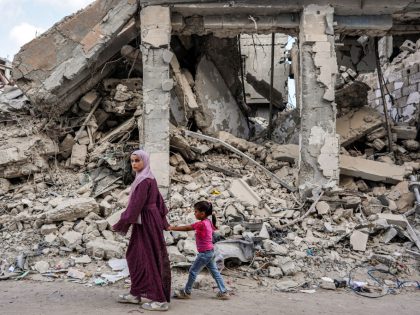
Israeli historian Amos Goldberg has been a leading critic of Israel’s war in Gaza, which he calls genocide. In an interview, he told Jacobin why the term applies — and why the international community needs to wake up to this reality.

Palestinian artists have continued to produce art about their culture and struggle for freedom throughout Israel’s occupation. Jacobin spoke with West Bank art students and the renowned painter and sculptor Sliman Mansour about the challenges they face.