Why Are US Workers Quitting Their Jobs in Droves?
A recent New York Times article investigates why quitting can spread within a workplace. By only asking white-collar workers, it misses much of the story.
Alex N. Press is a staff writer at Jacobin who covers labor organizing.
A recent New York Times article investigates why quitting can spread within a workplace. By only asking white-collar workers, it misses much of the story.
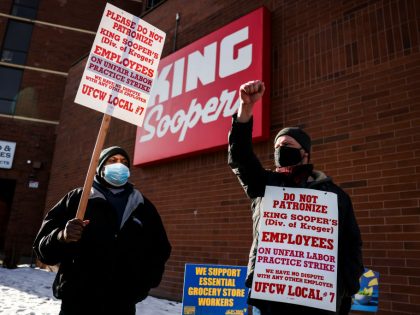
A strike by over 8,000 workers at Kroger-owned stores in Colorado is entering week two. The company has won a restraining order against its employees, limiting the number of workers who picket on company premises — a tried-and-true method of breaking a strike.
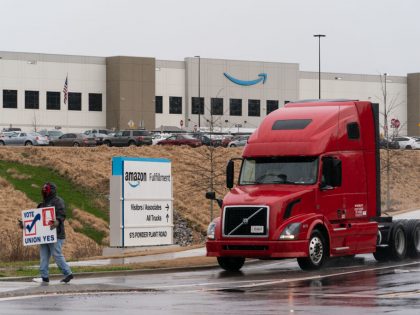
A year ago, all eyes were on the unionization election at Amazon’s warehouse in Bessemer, Alabama, where illegal union suppression tactics by Amazon helped sink the drive. Thanks to a court order, that vote is about to be rerun.
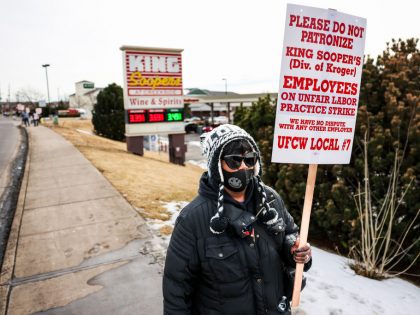
More than 8,000 workers at Kroger-owned King Soopers and City Market stores are on strike in Colorado. Their fight highlights the company’s long history of atrocious treatment of its workforce.
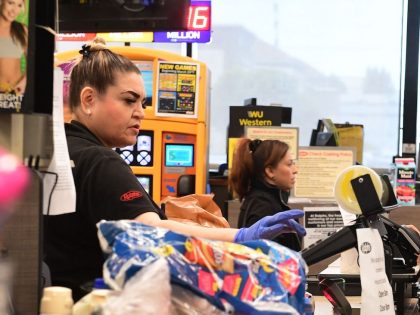
A survey of thousands of Kroger workers finds that while its executives rake in millions, homelessness and food insecurity are rampant among its workforce.

With a major push from the state AFL-CIO and the support of Democratic leaders in the legislature, a Colorado bill to recognize public sector unions has a real shot at passage.

With new CDC guidelines and apparent indifference from the White House, scores of workers in the United States find themselves with no choice but to go back to work while still suffering from COVID.

A record number of American workers quit their jobs in November, another sign that worker leverage in the labor market is stronger than it has been in years. But without organizing, today’s gains for workers will vanish as soon as the labor market slackens.
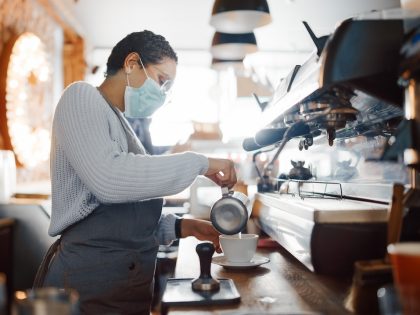
Following on the heels of the union drive at Starbucks, a growing number of campaigns have appeared to organize coffee shops. In Pittsburgh, baristas at Coffee Tree Roasters, a local company with five stores, are unionizing with the UFCW.
Amazon’s HR department is a hellscape where automated systems arbitrarily cut off benefits and fire workers, leaving an alarming number penniless and literally suicidal. And the company simply doesn’t seem to care.
Animation writers — responsible for some of the world’s most recognizable cartoons at studios like Nickelodeon — are subject to staggering disparities between themselves and live-action writers.
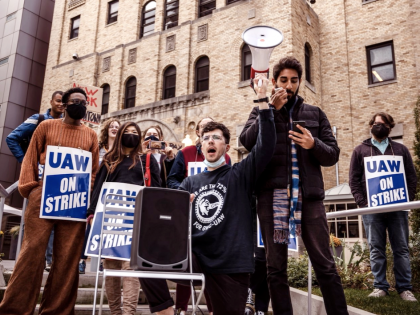
The 3,000-member Student Workers of Columbia work stoppage is currently the largest strike in the US. With unfair labor practice charges unresolved and tensions rising, Columbia University is now threatening to replace strikers with scabs.
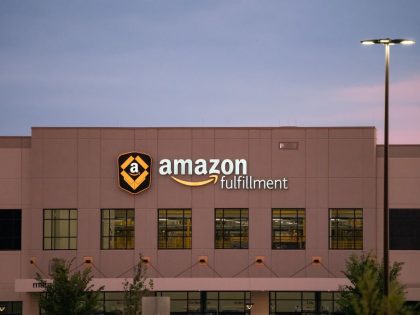
A new report finds that Amazon warehouses in Minnesota have more than double the injury rate of non-Amazon warehouses, with a sky-high turnover rate and black workers making far less than their white counterparts.
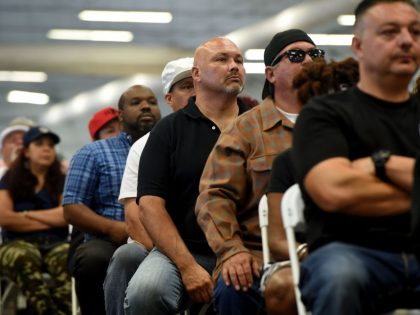
The shipping industry is making record money as supply chain snarls and consumer demand drive up opportunities for profit. It’s the perfect moment for the 15,000 dockworkers who keep the goods flowing to negotiate their new contract.
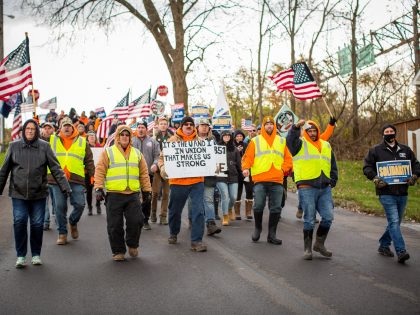
Ironworkers at Erie Strayer have been on strike for ten weeks. They’re fighting for a 3 percent raise, dental, and an end to the company’s draconian attendance policy. Erie offered them a nickel an hour more.
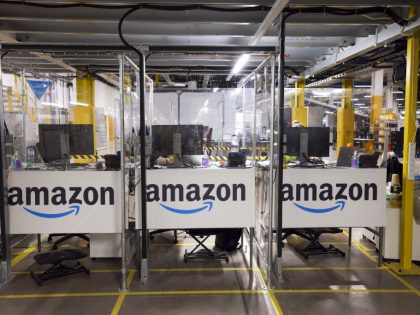
On Black Friday, workers around the world are targeting Amazon under the banner of Make Amazon Pay. The actions span the supply chain and traverse borders — just like Amazon itself.
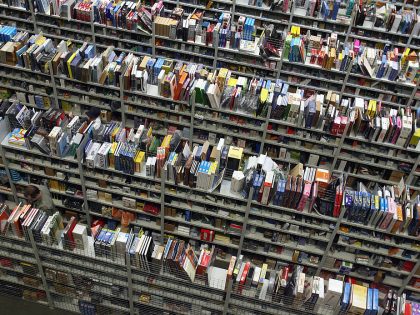
From the hypercommercialization of Kindle Singles to the fraught question of classifying book genres, Amazon has put its stamp on the literary field in ways large and small — but always in the interests of profit, says Mark McGurl, author of Everything and Less: The Novel in the Age of Amazon.
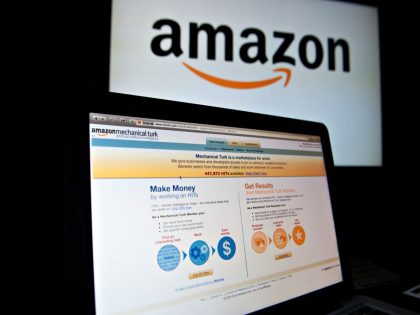
“Microworkers” are the anonymous digital contract workers whose labor powers the tech giants’ artificial intelligence systems. They’re hyper-exploited — and, like all other workers under capitalism, will continue suffering until they can organize.
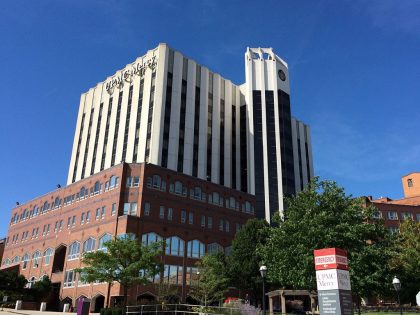
Some of the lowest-paid workers at UPMC, Pennsylvania’s largest private-sector employer, are on a one-day strike. Their demands — a living wage, safe staffing — are shocking only in how incredibly reasonable they are.
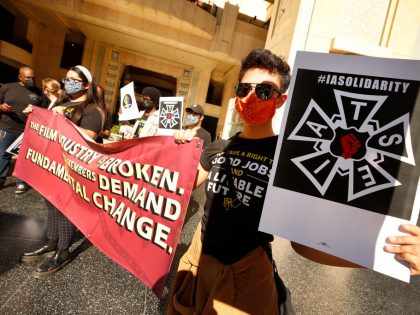
The film and TV workers’ union IATSE ratified a pair of contracts on Monday, despite a majority of ballots being cast against the larger of the two deals. Thanks to the union’s Electoral College–style voting system, that contract passed anyway.