Naomi Osaka Was Right to Stand Up to the Tennis Bosses
The standoff between Naomi Osaka and the French Open is more than a sports drama — it’s about how much control workers have over their own labor. And we could all learn a thing or two from her gutsy decision to draw a line in the sand.
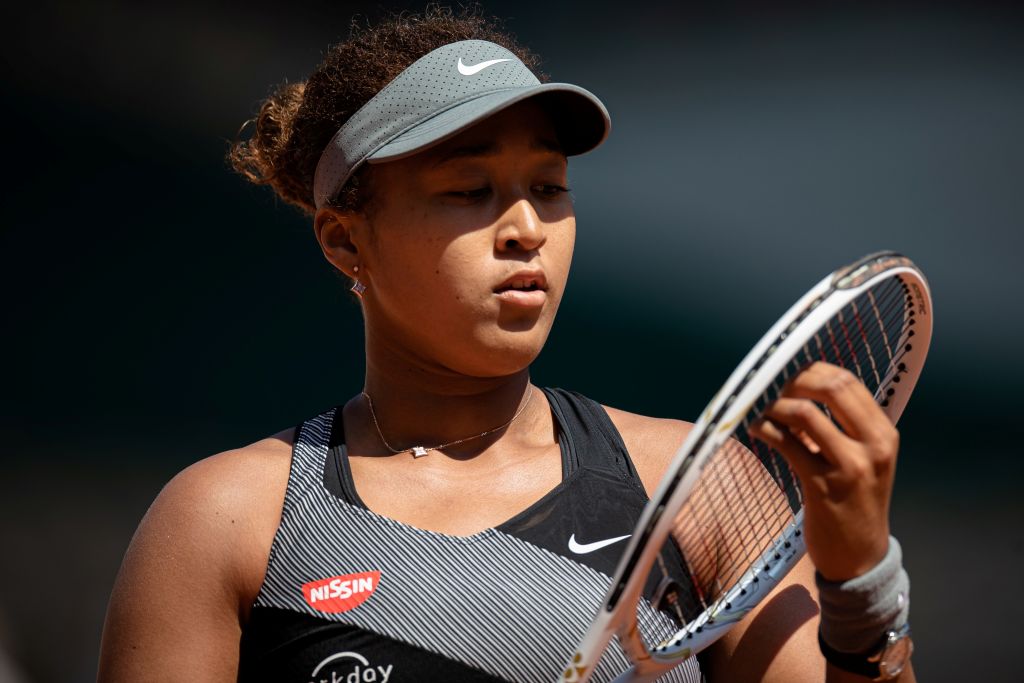
Naomi Osaka during the women’s singles first-round match at the French Open tennis tournament on May 30, 2021, in Paris, France. (Aurelien Morissard / Xinhua via Getty Images)
Naomi Osaka, we learned this week, will not work under certain conditions. One of the world’s best tennis players, Osaka has been fined $15,000 and excluded from the French Open for declining to participate in post-match press conferences. Osaka’s stated reason for this work refusal is a desire to preserve her mental health — she explained on Instagram that speaking to the press makes her deeply anxious and that she has struggled with depression since 2018. So, like Bartleby, she has concluded that she “would prefer not to.”
One way to follow the Osaka–French Open brouhaha is as a personal drama, which is certainly how the corporate media presents it: Is Osaka right or wrong, brave or spoiled? Are you, the media consumer, for her or against her? Osaka’s critics point out that she is contractually obligated to do the conferences. Supporters fire back that the superstar is completing the main part of her job by playing tennis and that the conferences are tiresome — a sop to lazy sportswriters unwilling to do their jobs properly.
But the issues at the heart of the standoff are about more than Osaka the individual or tennis or the utility of athlete press conferences. They are about how much control workers have over their own labor, how much of one’s self one is willing to hand over for others to trade upon, how we care to be known by others, and the division between work and nonwork.