Argentina in its Labyrinth
- Joel Ruggi
Argentina's looming economic crisis is the result of extreme neoliberal policy: as implemented by the military dictatorship, the IMF, and current president Mauricio Macri.
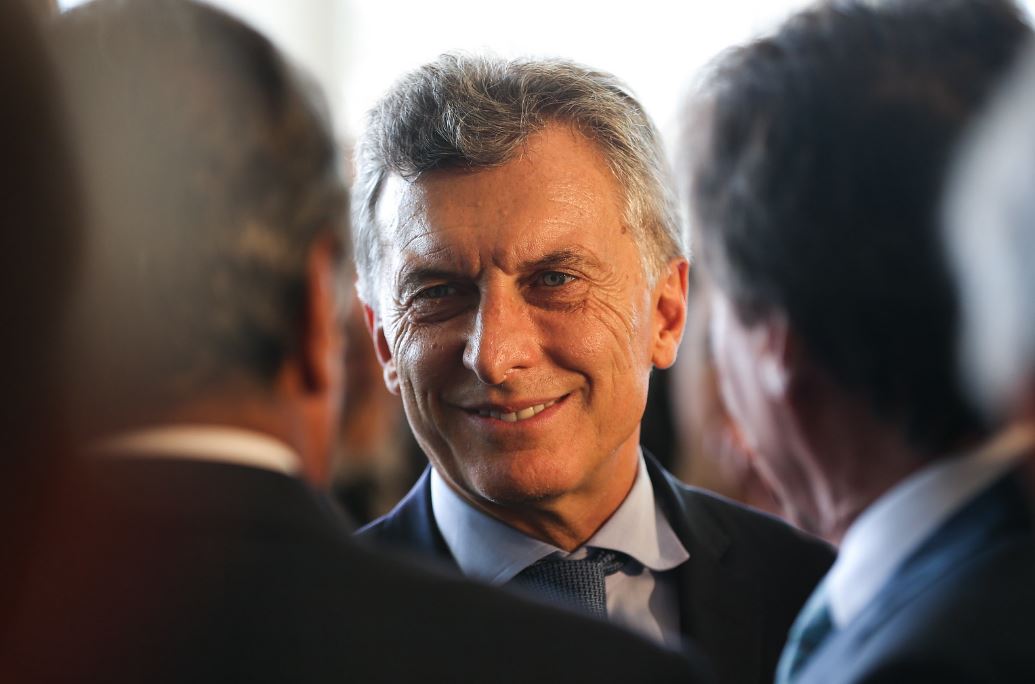
Argentinian president Mauricio Macri in 2017. Agência Brasil Fotografias / Flickr
“Argentina on the brink . . . ” has been a recurring mantra in the financial press since at least the mid-80s. Argentina of 2019 is no different: with news everyday of factory closures and lay-offs, 70% interest rates stifling the already fragile industrial sector, wages plummeting to their lowest level in decades, and inflation approaching 50 percent annually, the specter of debt default has again started to circle over the ravaged landscape of the South American nation.
The doom and gloom of the Financial Times and other media outlets is accurate, if disingenuous. Not long ago, the mouthpieces of high finance were jubilant with the 2015 victory of right-wing politician Mauricio Macri, celebrating the arrival of a market-friendly government in the midst of the anti-neoliberal Pink Tide.
Cambiemos — “Let’s Change” — should have been a tip-off: rather than pointing towards a bold new future, Macri’s unfortunately named political party has revived the same ersatz “change” that characterized the neoliberal nineties. Massive overnight devaluations of the national currency, dismemberment of national industry, indiscriminate market deregulation, labor flexibilization, and perhaps most important of all, the effective subsiding of capital flight through astronomic debt — one could be forgiven for confusing Argentina of 2019 with Argentina of the late nineties.