Socialism in the American Heartland
Since the 1800s, from Eugene Debs to the Milwaukee “sewer socialists,” the US socialist movement has been especially vibrant in the Midwest — and continues to shape American heartland politics today.
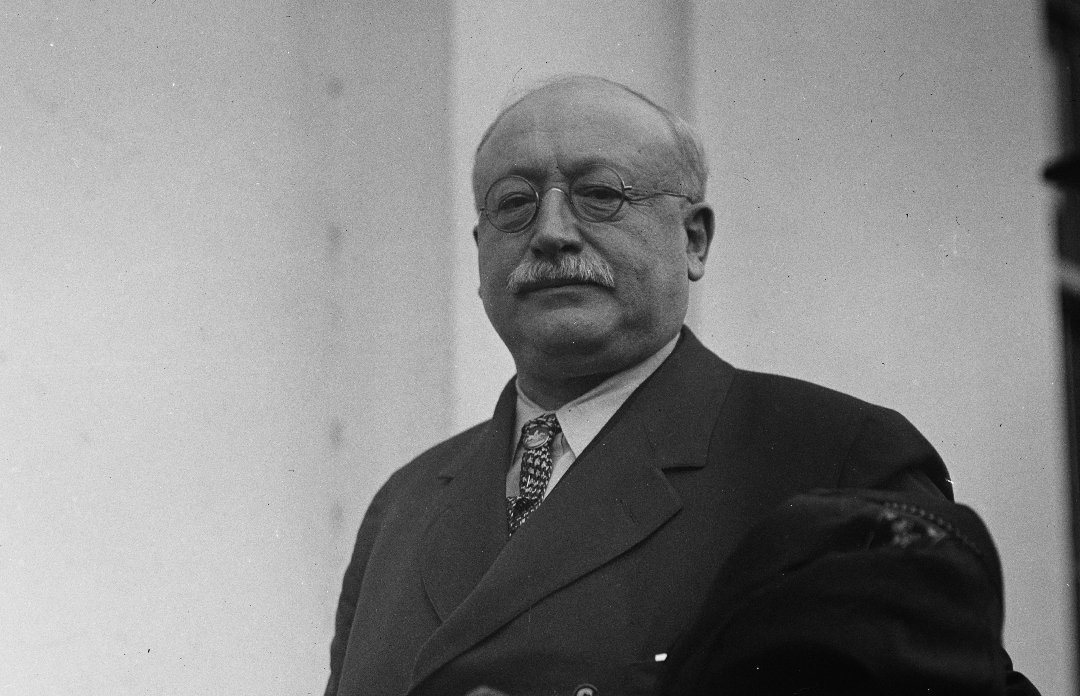
Victor Berger, the first socialist congressman, from Wisconsin, at the White House in 1922. (Universal History Archive / Universal Images Group via Getty Images)
On a midsummer afternoon in June 1918, Eugene Debs stepped into a gazebo nestled under the trees of Nimisilla Park in Canton, Ohio, to deliver the speech that would land him in prison. The Socialist Party leader looked out on a crowd of 1,200 gathered among tamaracks and sugar maples as he castigated imperial war and the capitalist class, calling socialism “the mightiest movement in the history of mankind.”
Socialism “has made it possible for me to take my place side by side with you in the great struggle for the better day,” Debs proclaimed. “I am kin to all that throbs; to be class-conscious, and to realize that, regardless of nationality, race, creed, color or sex . . . every member of the working class, without an exception, is my comrade, my brother and sister.”
Before speaking to the crowd, Debs went to the local courthouse to visit a group of socialists imprisoned for voicing their political beliefs. Two weeks later, Debs would join them, jailed under the Espionage Act for speaking out against the horrors of World War I in his Canton speech. He remained incarcerated for more than two years and ran for president from his cell on the Socialist Party ticket, garnering nearly a million votes.