Anvil, the Forgotten Magazine of Heartland Marxism
Printed out of a cattle barn in Minnesota, Anvil published some of the biggest leftist writers of the 1930s, including Richard Wright and Langston Hughes. Its popular vision for a multiracial socialism in the heart of the US could hardly be more urgent today.
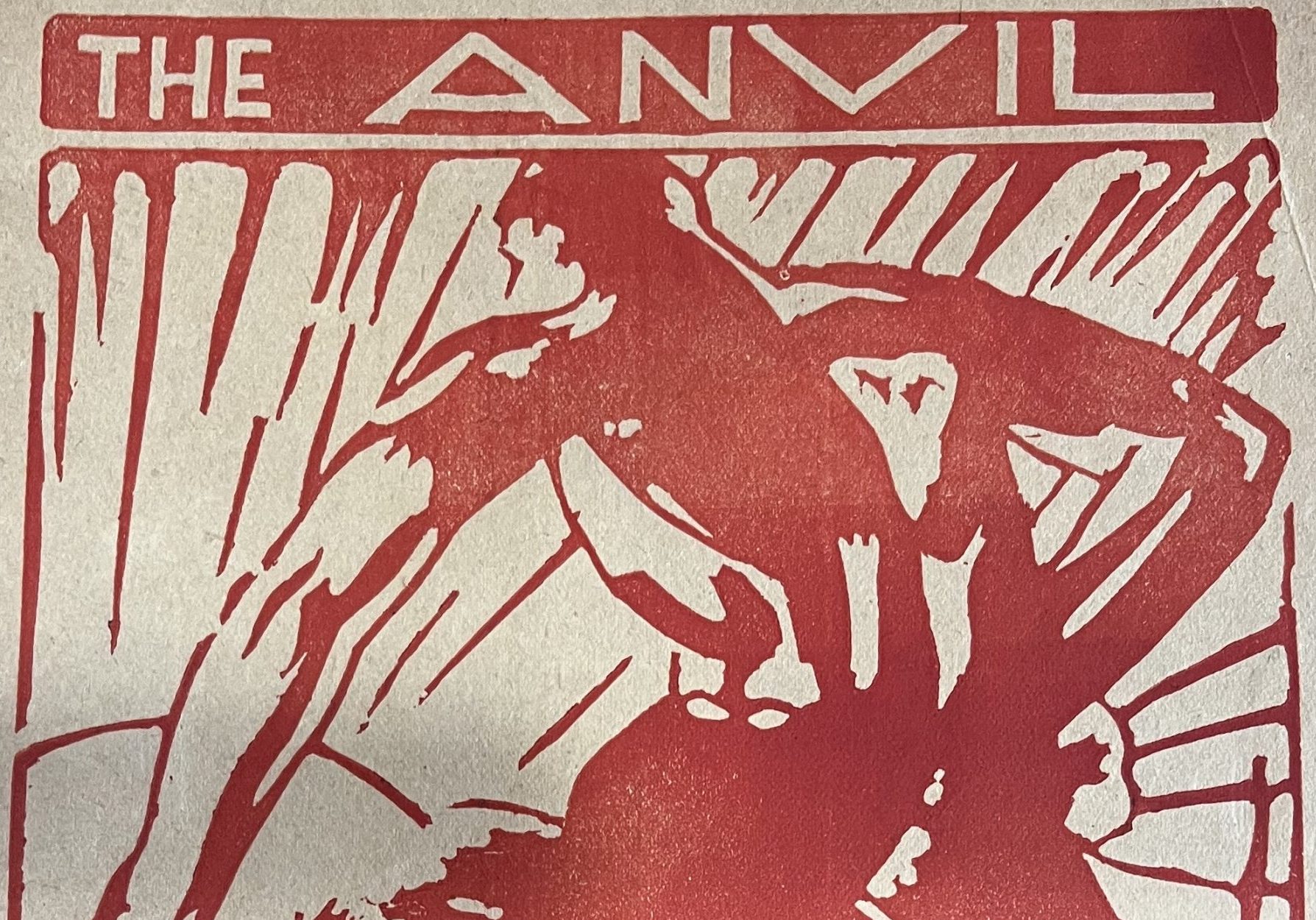
John C. Rogers, front cover of Anvil, September-October 1934. (Courtesy of Newberry Library)
In its three short years of existence, Anvil magazine published several writers who would go on to achieve immense fame, including Langston Hughes, Margaret Walker, Richard Wright, and Nelson Algren. The small, ragtag magazine, founded in 1933, was unique among leftist literary journals of the time in its racial diversity and its proud adoption of rural radicalism. It sought to offer an alternative to New York periodicals such as New Masses and Partisan Review and make Marxism accessible to workers in the cultural outskirts of the Midwest.
Despite publishing the early works of some of the most renowned US socialist writers of the twentieth century, Anvil remains unknown to all but a few specialists in leftist literary history. That’s a shame, because it offers a blueprint for communicating a popular socialist vision to a working class outside the United States’ major urban centers — a task that could hardly be more urgent today.
Jack “Cornrow” Conroy and the Barnyard Press
A historic meeting of radical authors convened at Manhattan’s New School on April 26–27, 1935. The League of American Writers, the meeting’s Communist Party–affiliated organizing body, was one recent manifestation of the red decade’s robust anti-fascist cultural front. The congress invited men and women of letters from across the country to collaboratively chart the course for a new revolutionary American literature. One of these writers was Jack Conroy, a working-class novelist who had authored two lauded works of proletarian fiction, The Disinherited and A World to Win.