The Socialist Who Tried to Abolish the Senate
In 1911, Socialist representative Victor Berger attempted a task that we must complete.
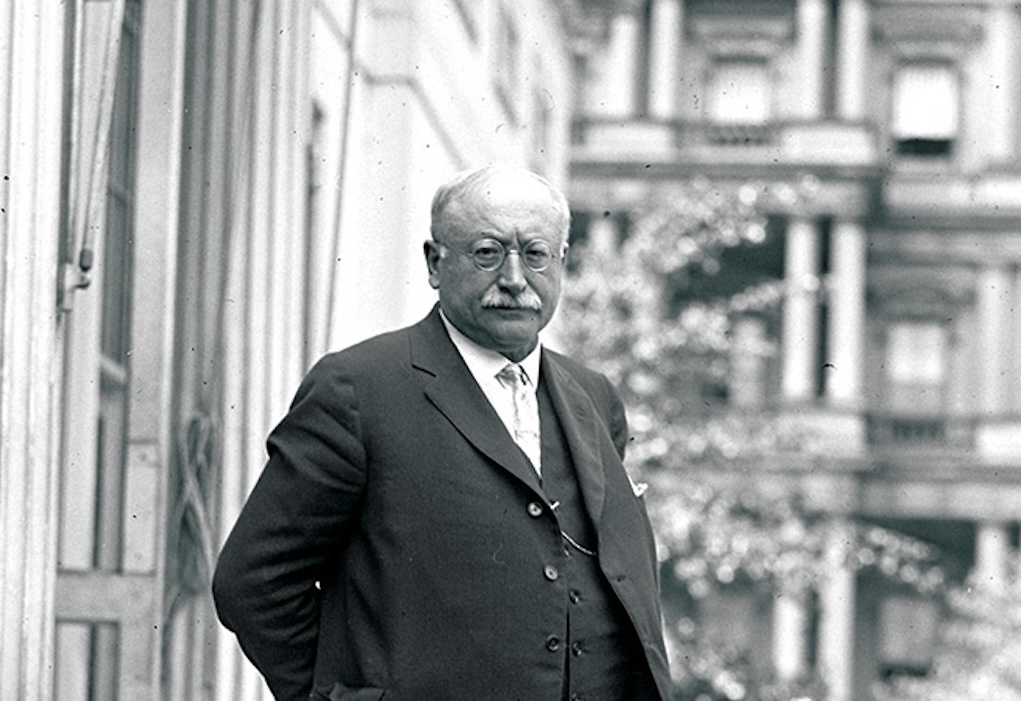
Victor Berger, the first Socialist to serve in Congress, represented the Fifth District of Wisconsin in the House of Representatives from 1923 to 1929.
In April 1911, Victor Berger had just pissed some people off.
That wasn’t a new situation for America’s first Socialist congressperson. Berger, elected to the House of Representatives a year prior, never exactly fit in with the consensus — he was a Socialist, after all, and in 1919 he’d be convicted of violating the Espionage Act. But during his first term in Congress, Berger offended a group even touchier than the US war apparatus: his colleagues.
On April 27, Berger introduced H.J. Res. 79, a new constitutional amendment to abolish the “obstructive and useless” Senate that was “a menace to the liberties of the people, and an obstacle to social growth.” In place of the body, to codify the bills the House passed, Berger suggested a series of national popular referenda.