Reckoning With the AFL-CIO’s Imperialist History
Over the past century, the US government repeatedly disrupted leftist movements and supported or carried out coups around the world — aided by American labor leaders. A full reckoning with the AFL-CIO’s collaboration with US imperialism can help us forge a truly internationalist, left-wing unionism in the twenty-first century.
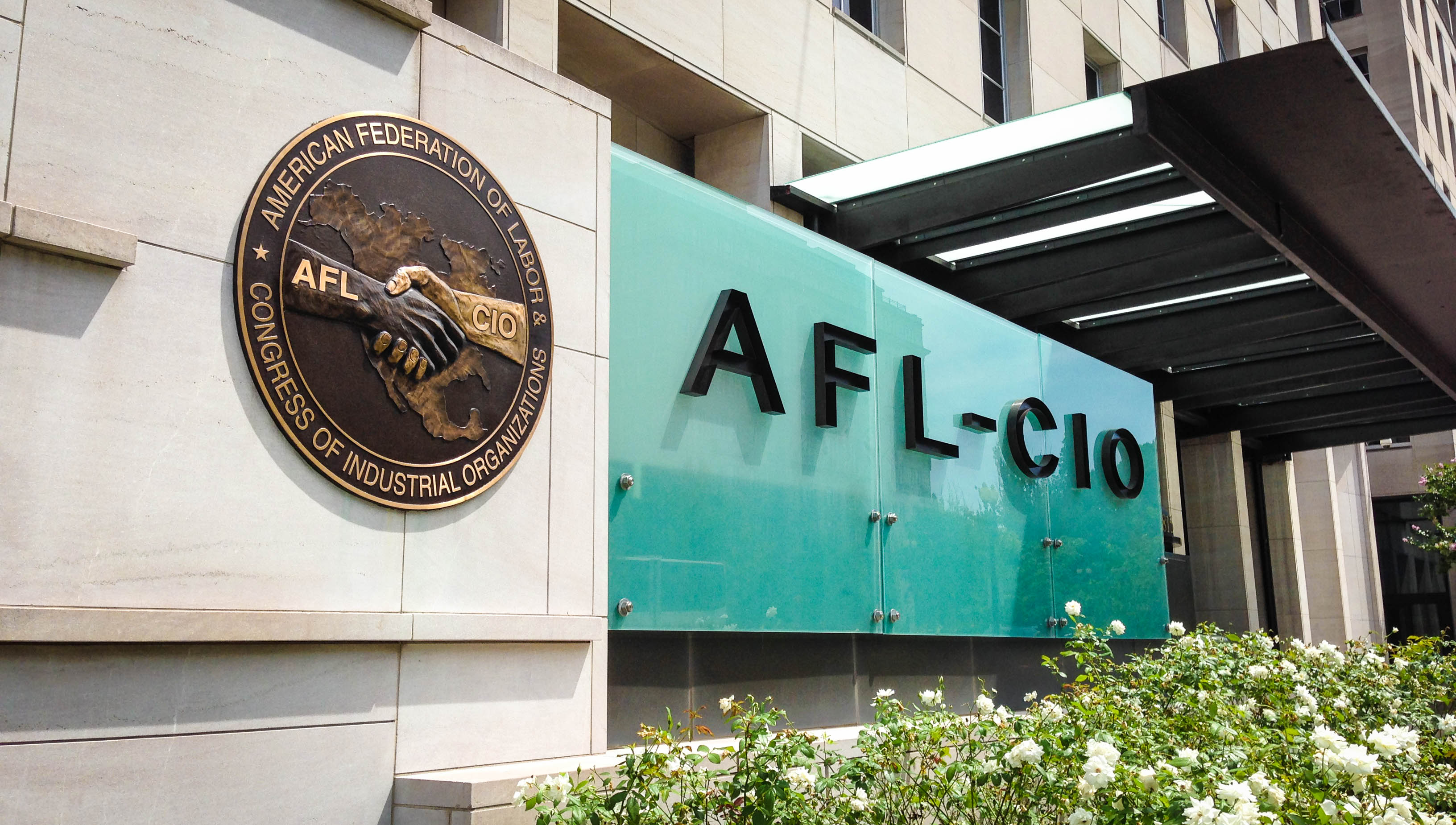
AFL-CIO Headquarters, Washington, DC, 3014.Matt Popovich / Flickr
Two days after Bolivia’s socialist president Evo Morales was forced from office in a right-wing military coup last November, AFL-CIO president Richard Trumka condemned the coup on Twitter and praised Morales for reducing poverty and championing indigenous rights. In doing so, Trumka joined Bernie Sanders, Ilhan Omar, Alexandria Ocasio-Cortez, and other prominent figures of the Left in countering the US political and media establishments’ dominant narrative that Morales’s violent ouster was a win for democracy.
While it’s fitting for the president of the nation’s largest union federation to denounce a right-wing coup against a leftist foreign leader — which was endorsed by the State Department and CIA — it also represents an important break from precedent for the AFL-CIO. Though rarely discussed, the federation has a long record of supporting the US government in disrupting leftist movements around the world, including through coups d’état in Latin America.
Throughout the Cold War, the AFL-CIO’s Executive Council and International Affairs Department were run by zealous anticommunists determined to undercut the rise of left-wing trade unions overseas. Like their counterparts in the US government, George Meany, AFL-CIO president from 1955–1979, and Lane Kirkland, his successor who served until 1995, understood that if allowed to thrive, class-conscious labor movements would pose a serious threat to global capital.