Maida Springer Insisted Unions Were Essential for Improving Black People’s Lives
Maida Springer isn’t a household name even among trade unionists and labor historians. But she was a lifelong union member and organizer who was committed to using unions to improve black people’s lives in the United States and Africa.
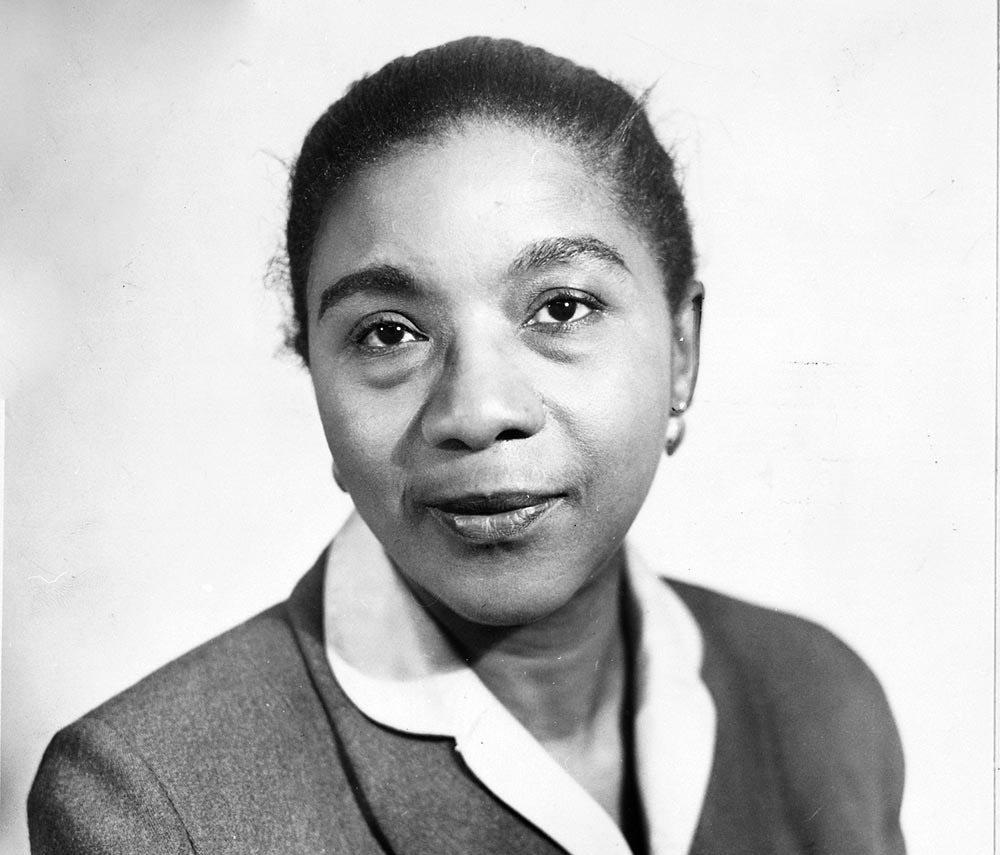
Maida Springer c. 1950. (Kheel Center)
Murray Gross, a former leader in the International Ladies Garment Workers Union (ILGWU), said that the name Maida Springer was “a password in most of Africa” for opening doors of influence. Labor and civil rights leader A. Philip Randolph had a deep working relationship with Springer that spanned decades, once telling Tanganyikan independence leader Julius Nyerere, “Her whole heart is dedicated to the development of the African trade union movement and African freedom.”
Though largely ignored by history, Maida Springer deserves a place among the towering figures we usually associate with civil rights and anti-colonial movements. The work of historian Yevette Richards in gathering her oral history provides a glimpse into Springer’s extraordinary life. Rising through the ranks of the ILGWU in Harlem, Springer became a key component of the AFL-CIO’s international work of developing programs with labor movements in other countries and a beloved figure among labor movements in several African countries.
Springer’s work reflected a specific moment and generational cohort in black political history. Her milieu believed that building the labor movement and pursuing a social-democratic agenda were instrumental tools for improving the lives of working-class black people. She brought this same perspective to her work in African countries like Kenya, Ghana, Nigeria, and Tanganyika, where she was caught in the middle of the AFL-CIO’s complicated Cold War politics.