Iran Is Stuck in Permanent Crisis
War, and now a fragile ceasefire, is not bringing collapse in Iran but reinforcing and reorganizing its existing structures of power and inequality.
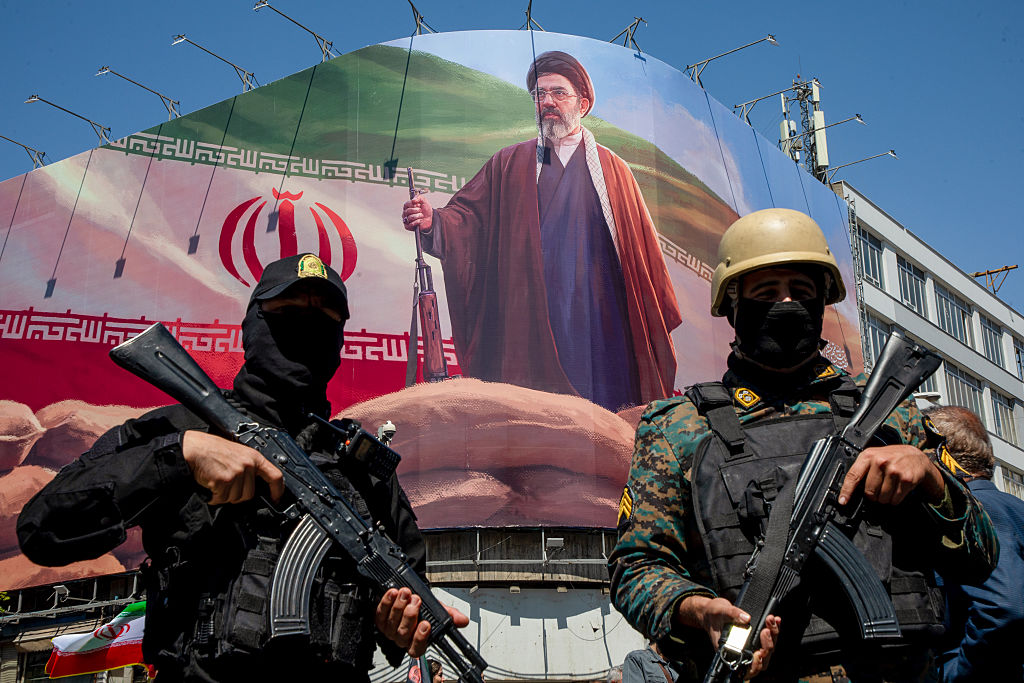
In Western political circles, a recurring view has been that the war in Iran could create a rupture. Experts say the country is not heading toward a rupture but toward compression. (Majid Saeedi / Getty Images)
An Iranian acquaintance of mine living in Istanbul has barely turned her phone off in recent months. She has internet access. Her daughter and son-in-law, still in Iran, do not. They fled from Tehran to the north of the country. She would do anything for a few seconds of connection. One question is constantly on her mind: Are they okay? Has something happened to them?
Her heart is full of anxiety, her tongue full of curses, her eyes full of tears.
She wishes she could talk to them, if only for a moment, to determine if they’re safe. But the deeper problem is not something a few seconds can answer. The real issue is that neither she nor any Iranian truly knows what will happen next. And perhaps the hardest part is this: no one is sure whether this war will actually change anything. Although a fragile ceasefire is now in effect, the uncertainty shaping daily life in Iran has not. For different reasons, both Washington and Tehran seem to need this fragile pause. Trump is already framing the conflict as a concluded chapter, while Iran, despite its defiant rhetoric, needs time to recover from the economic and political damage caused by the war.