Washington’s War on Cuba Is Collective Punishment
The new oil blockade makes explicit what US policy has long denied: that economic warfare against Cuba targets civilians in the name of “regime change.”
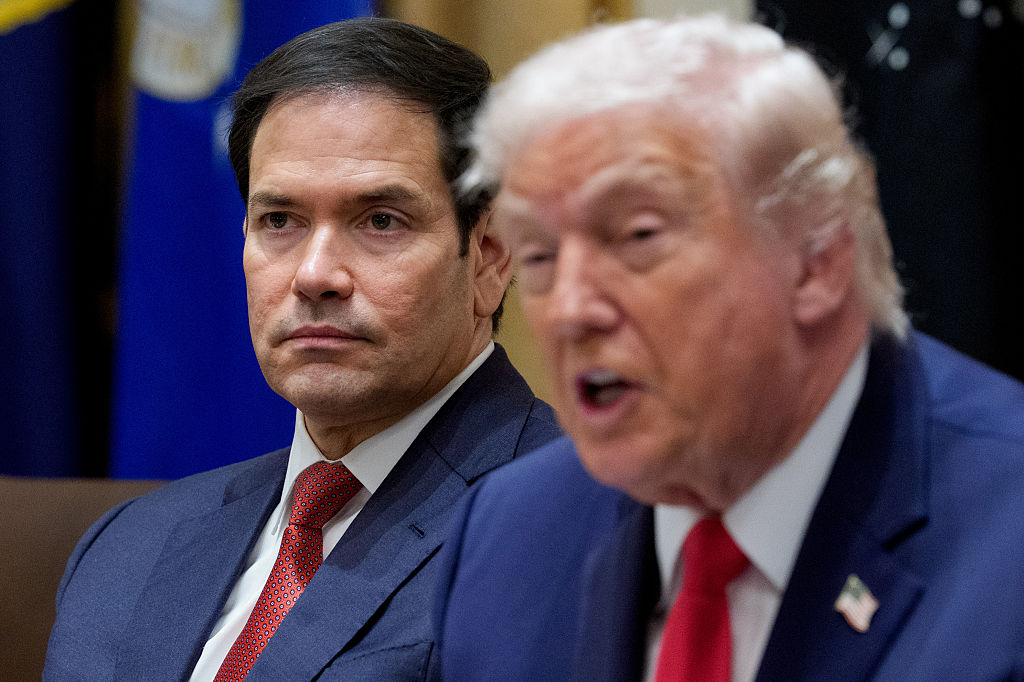
After decades of euphemisms, Washington is openly embracing economic warfare on Cuba’s civilian population. (Aaron Schwartz / CNP / Bloomberg via Getty Images)
In 1960, then deputy assistant secretary of state for inter-American affairs Lester Mallory laid out the argument for waging economic war on Cuba. The US government, he wrote, should deny “money and supplies to Cuba, to decrease monetary and real wages, to bring about hunger, desperation and overthrow of government.”
Mallory also wrote that the United States should be “as adroit and inconspicuous as possible” in advancing this policy. If the end goal was to make the Cuban people so desperate they would rise up against their own government, then it would be prudent to conceal the true cause of their suffering. The Cuban government, not the US, would be blamed for the country’s economic problems.
This is the narrative that for decades hard-liner politicians in Washington and Miami have sold — and major media outlets have bought: “Sanctions don’t hurt ordinary Cubans. They only hurt the ‘regime,’” they say, adding that “scarcities are caused solely by the Cuban government’s economic mismanagement, not US policy.” More brazenly, they claim that “the United States isn’t waging economic war, and it’s not imposing a ‘blockade.’ Cuba is simply subject to a trade embargo.”