The Liminal Left’s Bid for Power
Like our leading figures, our new left is young and highly educated. Is that tanking our chances at building a mass working-class coalition?
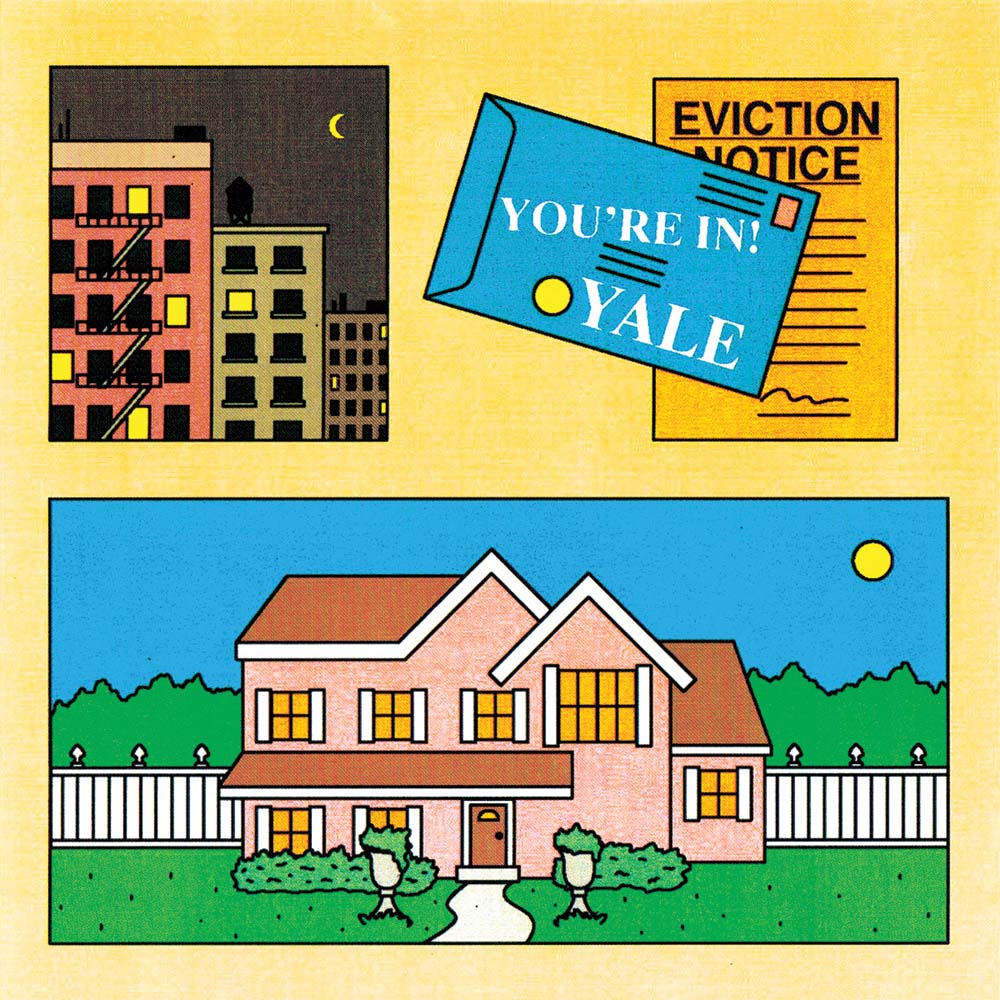
Illustration by George Wylesol
In 1970, Roger Freeman — a Richard Nixon adviser working on Ronald Reagan’s gubernatorial reelection campaign in California — offered a remarkably candid assessment of the postwar expansion of public higher education. “We are in danger of producing an educated proletariat,” he warned. “That’s dynamite! We have to be selective about who we allow to go through higher education. If not, we will have a large number of highly trained and unemployed people.”
In doing so, Freeman feared, the nation’s institutions of higher learning were unintentionally training the cadres of a revolutionary generation that would destroy the foundations of American society. That year, Governor Reagan introduced tuition charges for the first time in the University of California system. In 1976, the City University of New York (CUNY) followed suit amid the city’s fiscal crisis, ending CUNY’s century-long commitment to providing tuition-free access to public higher education for working-class New Yorkers.
Since the 1980s, tuition at both public and private institutions has been rising far faster than incomes, which has led to an explosion in student loan debt. Freeman worried that expanding higher education would swell the ranks of the credentialed unemployed. That hasn’t happened. The benefits of a college degree are generally worth the financial cost, and the unemployment rate among college graduates is far lower than it is for everyone else. Even so, this situation has generated a new social layer Freeman would have recognized. This is a cohort the political sociologist Paolo Gerbaudo calls “connected outsiders,” people whose high levels of educational attainment are undercut by economic insecurity and a general sense of alienation from traditional politics and institutions. They tend to be young; unorganized by unions, churches, and other social organizations; and extremely reliant on digital communications technologies and social media platforms.