No More Walter Scotts
Ending racism requires us to take up class struggle, to shift the social terrain that gives race practical meaning.
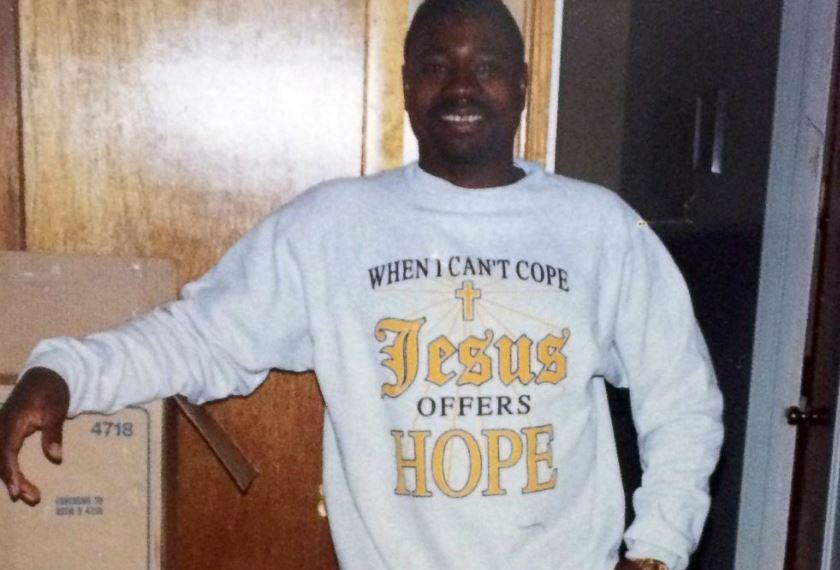
Walter Scott in an undated photo.
Pierre Fulton was black. He was poor. He had struggled his entire life. He had been in trouble with the law as a youth. Armed robbery, drug distribution, and gun possession were all on his record. It was now 2015 and Pierre was thirty. He had turned his life around. He got a job at a distribution warehouse. There, he became friends with a coworker, a man twenty years his senior — a friendship forged by poverty, with all its setbacks and humiliations.
One morning in April 2015, they met at a local Hardee’s for breakfast. The two men pinched pennies for the meal, a fleeting comfort. They shared a ride to a local church, securing their week’s groceries from the free food program. Food is intimate, and the physical burden of going without is matched by the social stigma of being in need. To have a friend to carry the load, a bond free from shame, is a lifeline.
Despite the circumstances, Pierre found strength in his “dear friend,” saying, “he helped me to become a better man and showed me the value of hard work.” As they left the church, Pierre rode in the passenger seat as his friend drove his recently purchased used car. He’d just bought it a week prior, and so he was excited to give Pierre a lift. The weather was gloomy, but the two were still planning to have a cookout later that day. What happened next would be immortalized on video.